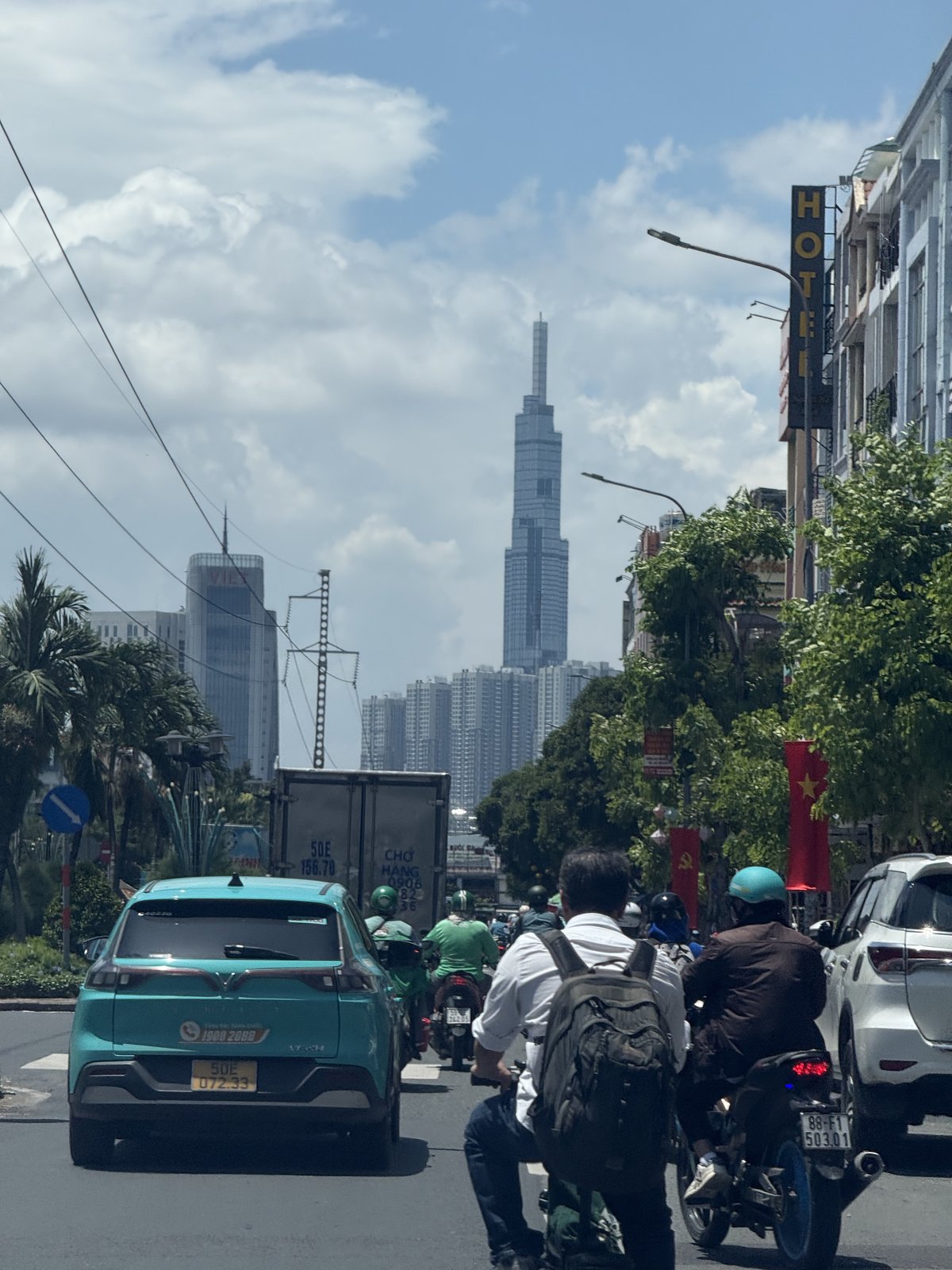
Last full day in Vietnam. The next afternoon we would load the car for Tân Sơn Nhất and the thirty-plus hours it takes to get from District 12 to Atlanta, so we spent the day the way we spend most days here. We ate. We ran a few errands. We visited the newest member of the family. And we sang until well after dark. It was, I told everyone back home that night, a little somber.
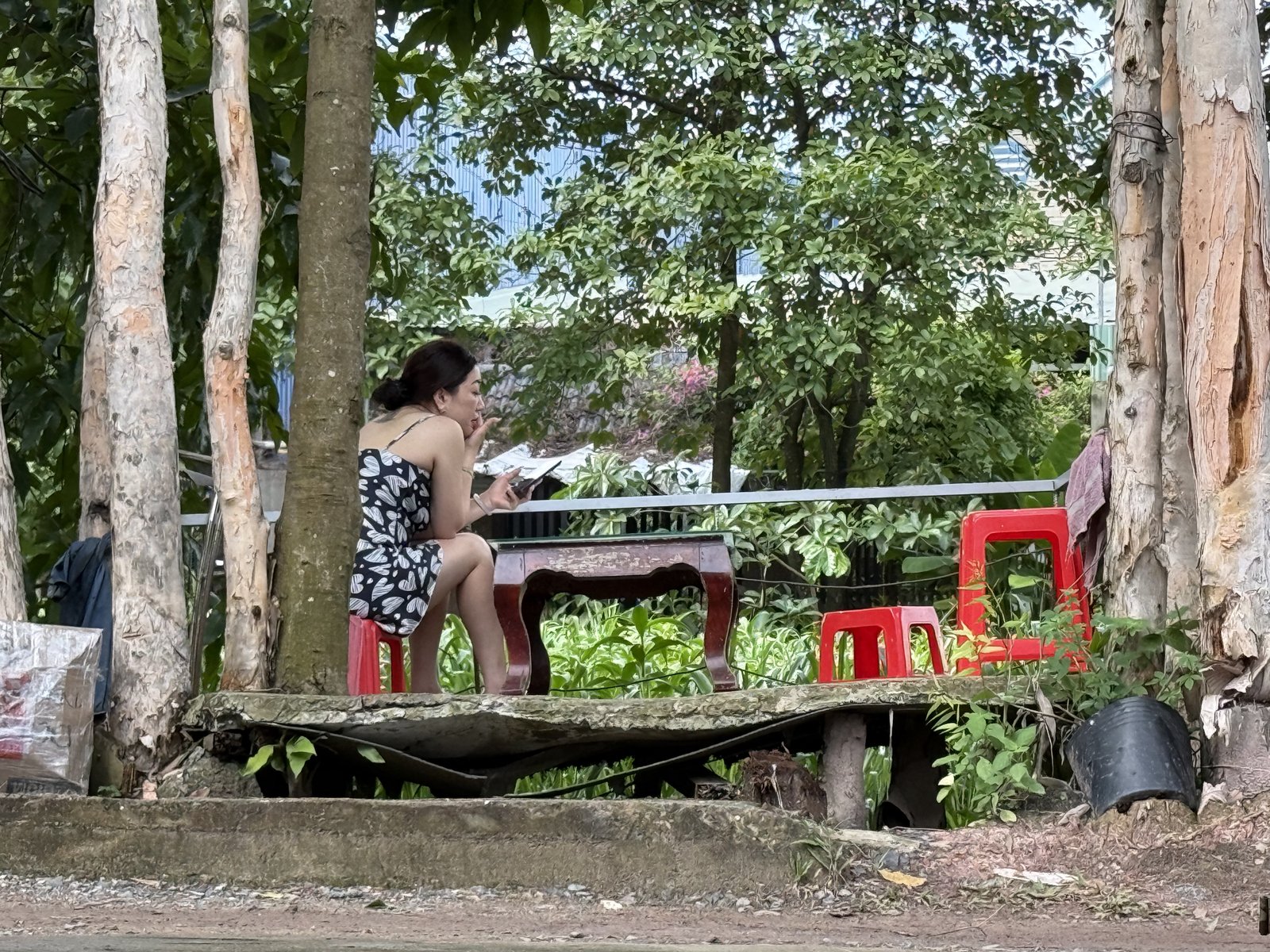
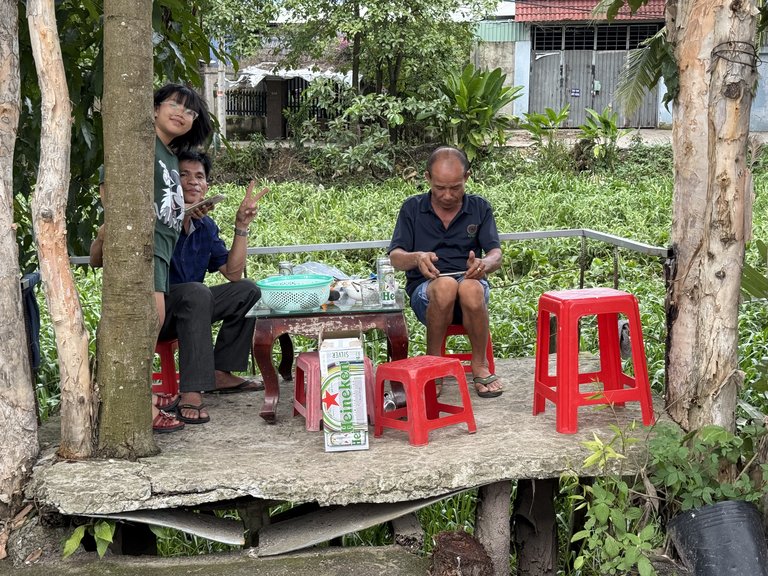
At nine that morning the little gathering spot under the trees by the water was nearly empty. A concrete slab, a couple of low tables, a scatter of red plastic stools, and one woman at a table at the edge of a wall of green. By evening it would be a different place. More on that later.
One More Mì Quảng
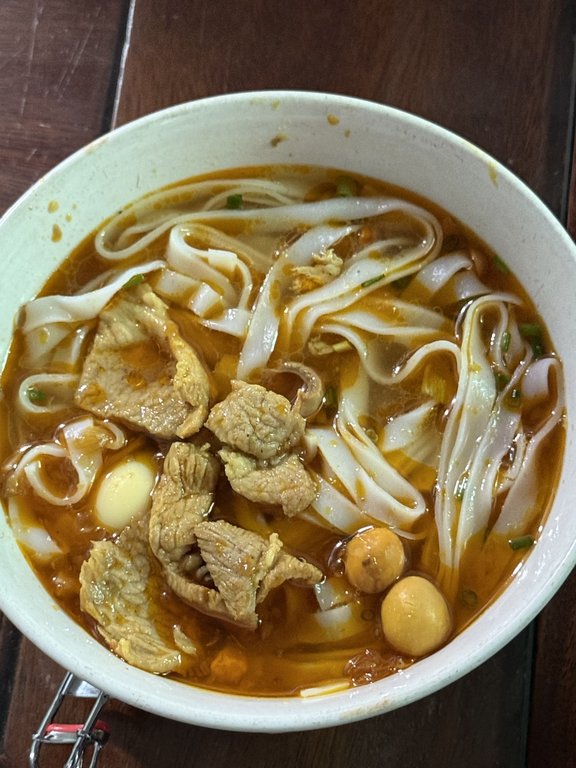
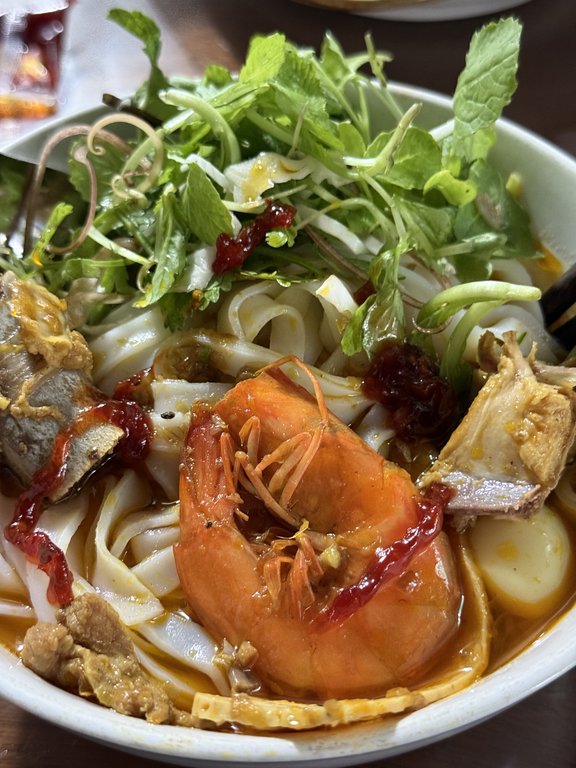
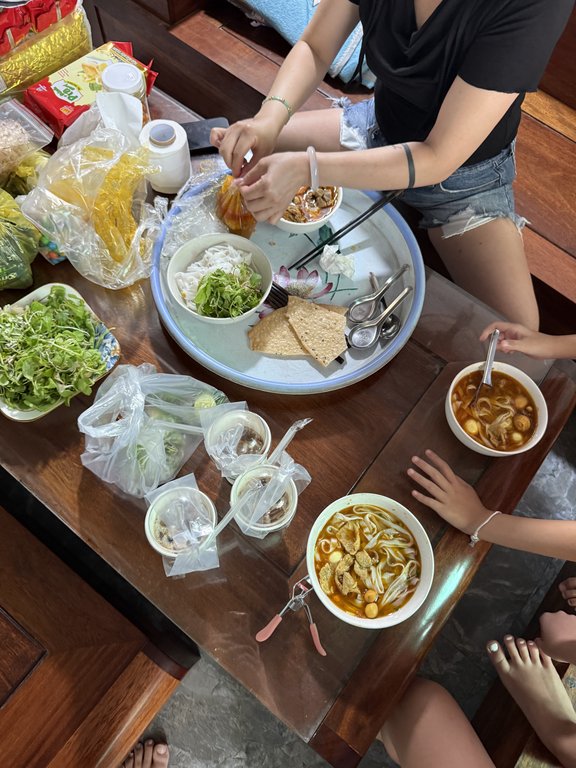
Breakfast was Mì Quảng. I have written about it already on this trip, and I will not apologize for doing it again. It is my favorite, a central coast special of turmeric noodles, shrimp, chunks of pork, quail eggs and lots of fresh greens. It came to the low wooden table with the herbs and the drinks in plastic bags, the broth a deep red-orange, the big shrimp curled on top under a pile of greens.
One Last Outing
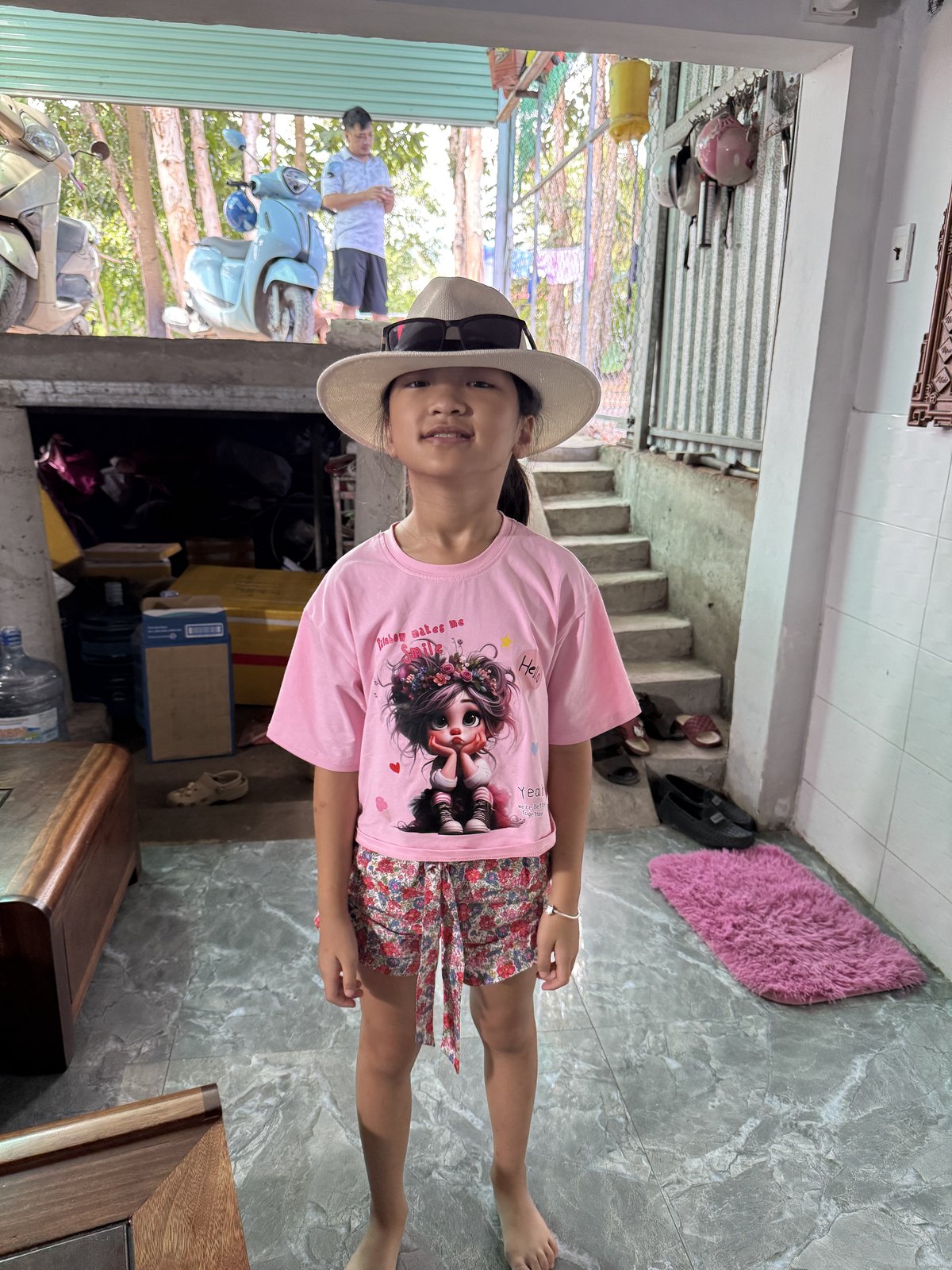
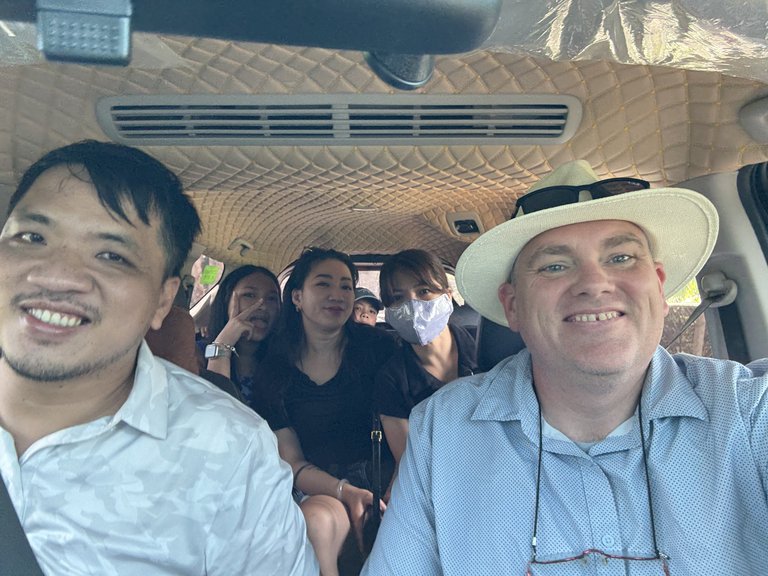
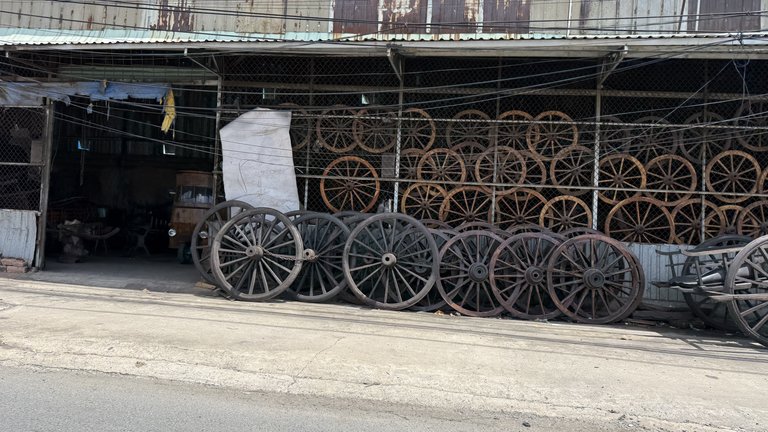
Then we piled into the van for one last outing with the family. We mostly hung around District 12. Along the way we passed a shop with rows and rows of big spoked wooden wagon wheels lined up out front, dozens of them, stacked under a tin roof. I have no idea who buys them. Somebody must.
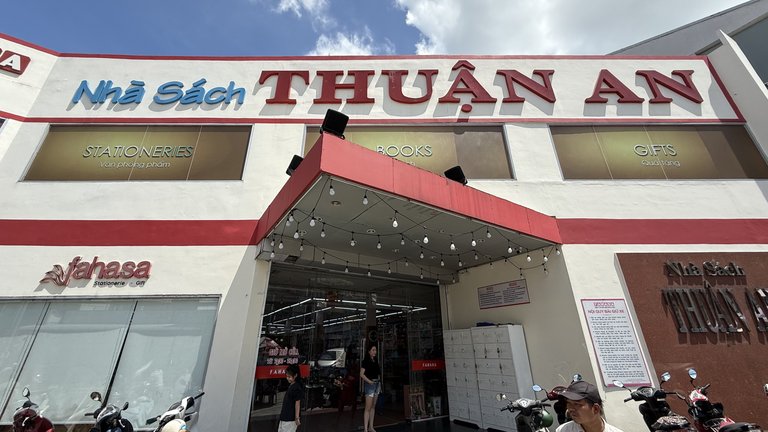
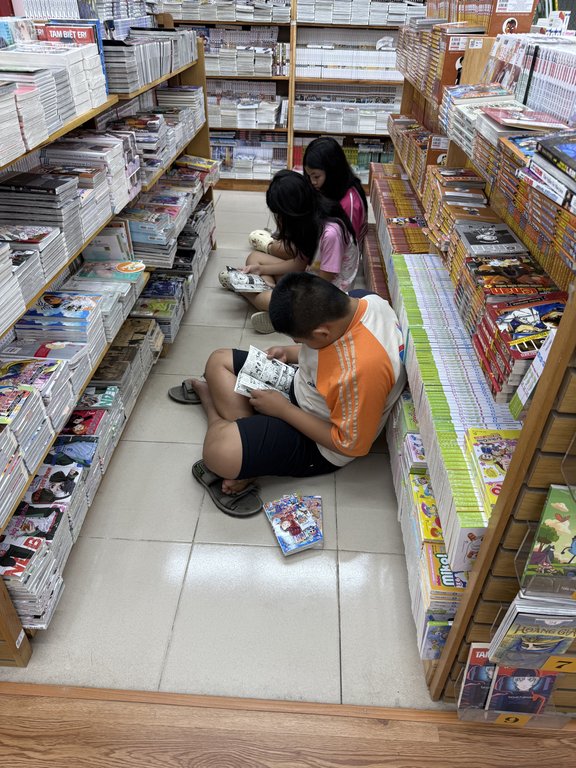
We took the girls and their cousins to a toy and book store, Nhà Sách Thuận An, with a Fahasa sign by the front door. Inside it was big and bright, with long tables of books, shelves stacked high with manga, walls of model kits and boxed robots, and an aisle of markers and stationery where one of the girls stopped to look. A few of the kids found a quiet aisle, sat down on the tile, and started reading. Kids are kids all over the world.
The Gold Shop
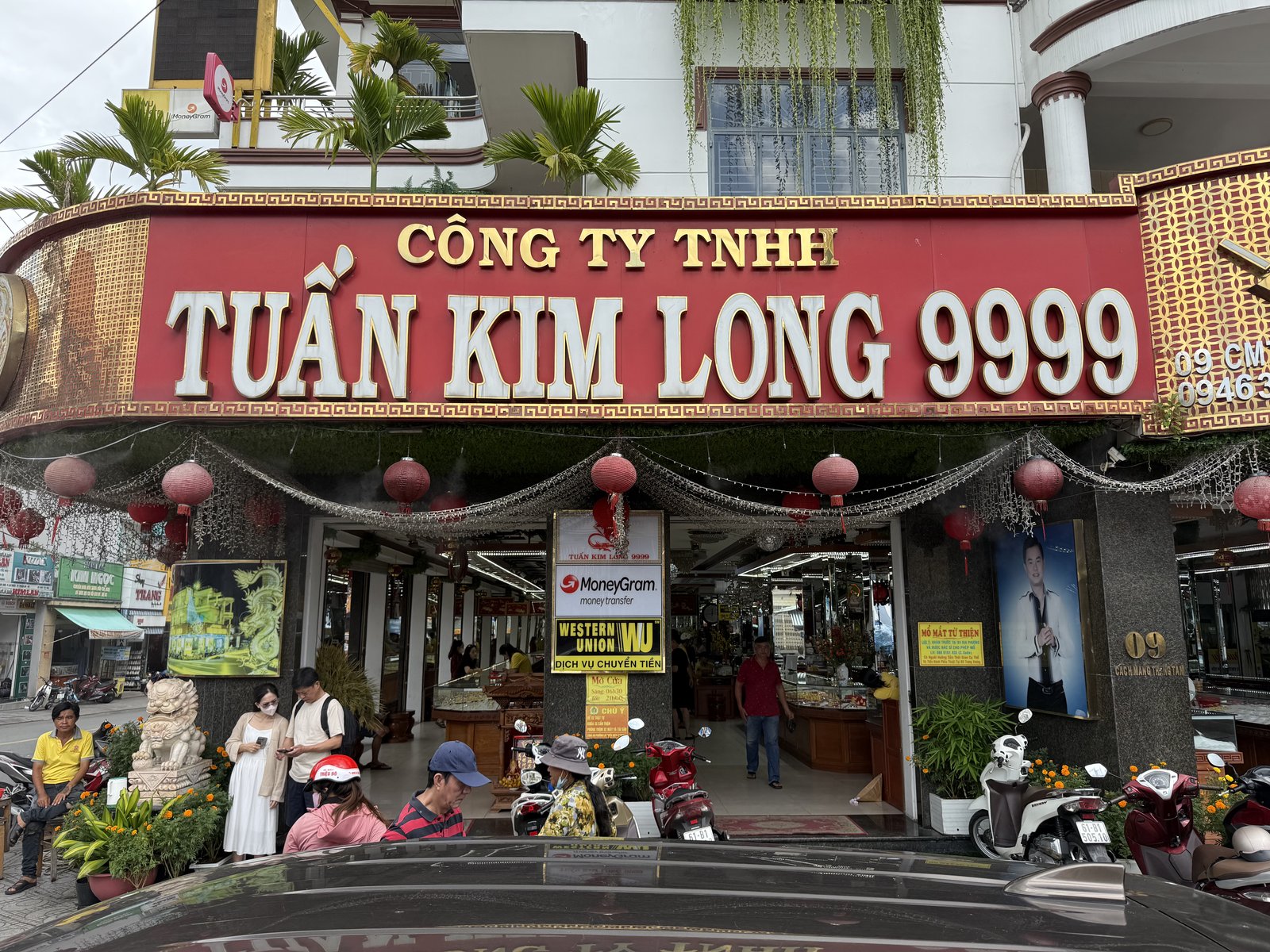
Then the gold shop. We needed to turn our leftover dong into dollars for the trip home, and for us that meant a stop at a place called Tuấn Kim Long 9999. Red sign, red lanterns, a red mat at the door. Inside, chandeliers hung over a long run of glass counters, and a gold dragon sat coiled on a red stand like he owned the place. One case held rows of gold figurines, each on its own little red pedestal.
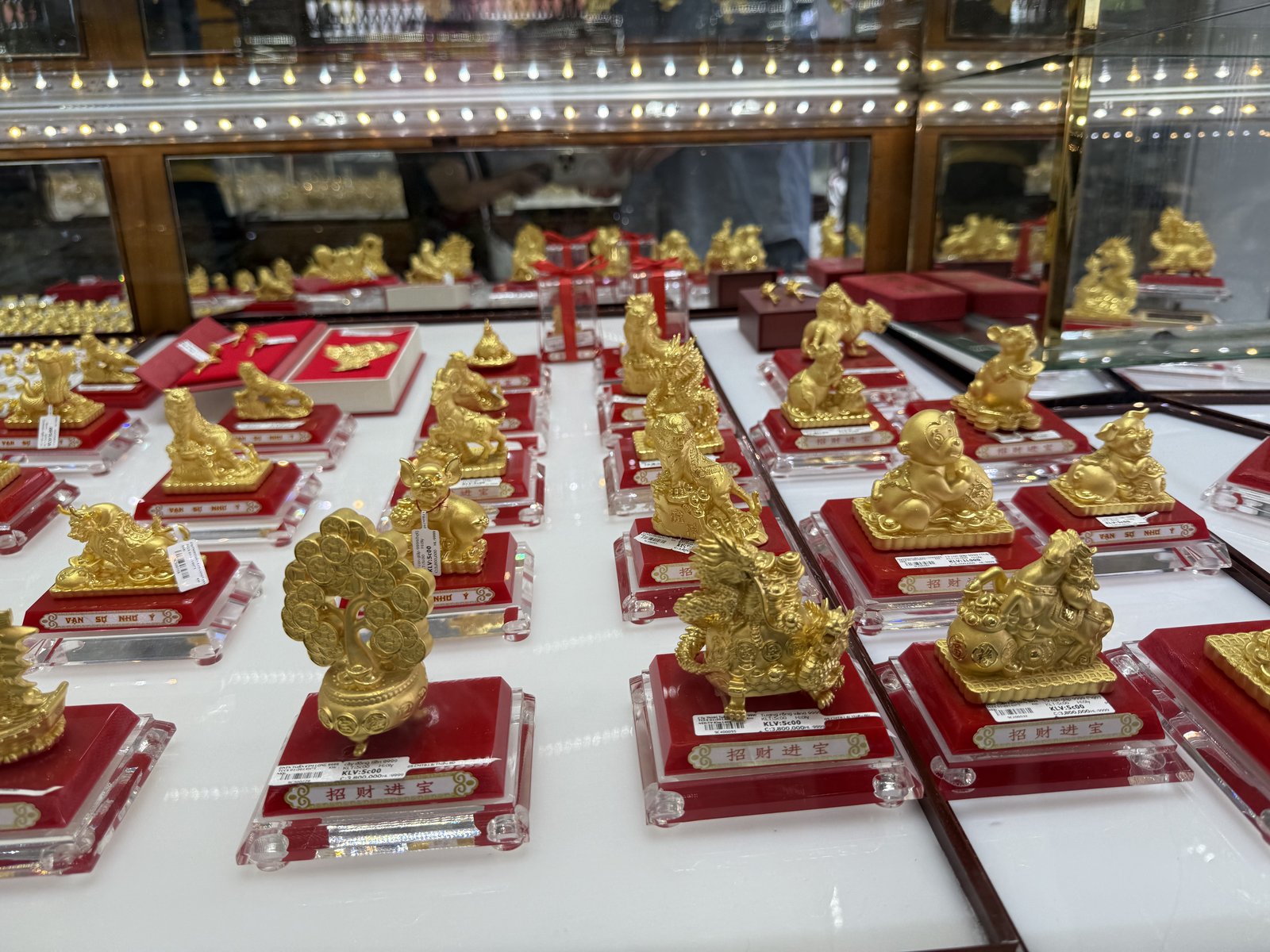
I've always found gold shops in Vietnam fascinating. The pricing is its own puzzle of daily market rates, currency conversions, speculation and whatever commission the shop is working with. Here is the short version. Gold in Vietnam is weighed in taels, called lượng or cây, and a tael is 37.5 grams. Each tael is ten chỉ. The benchmark is the SJC bar, cast at 99.99 percent purity, the same four nines you see on Tuấn Kim Long's sign. In 2012 the State Bank of Vietnam took over production of those bars, and the domestic price has typically run well above the world price. On July 1, the day we sat in Doha, SJC bars were selling for 120.3 million dong a tael, almost 14 million dong above the world price. Later that summer the government signed a decree to end the monopoly. Gold is still how a great many Vietnamese families save, and it has long served as a unit of account for buying land and houses. In 2012 the State Bank estimated the public was holding somewhere between 300 and 500 tonnes of it.
What holds my attention is something else.
The Rings
Tucked between the necklaces, the earrings and the bangles, you will often find something far more jarring: rows of American high school, college and military rings. I have yet to walk into a gold shop in Vietnam that doesn't have at least a few. Tuấn Kim Long had a whole case of them, each one standing up on its own clear acrylic stand with a barcode tag hanging off the side. Once you start noticing them, you can't stop.
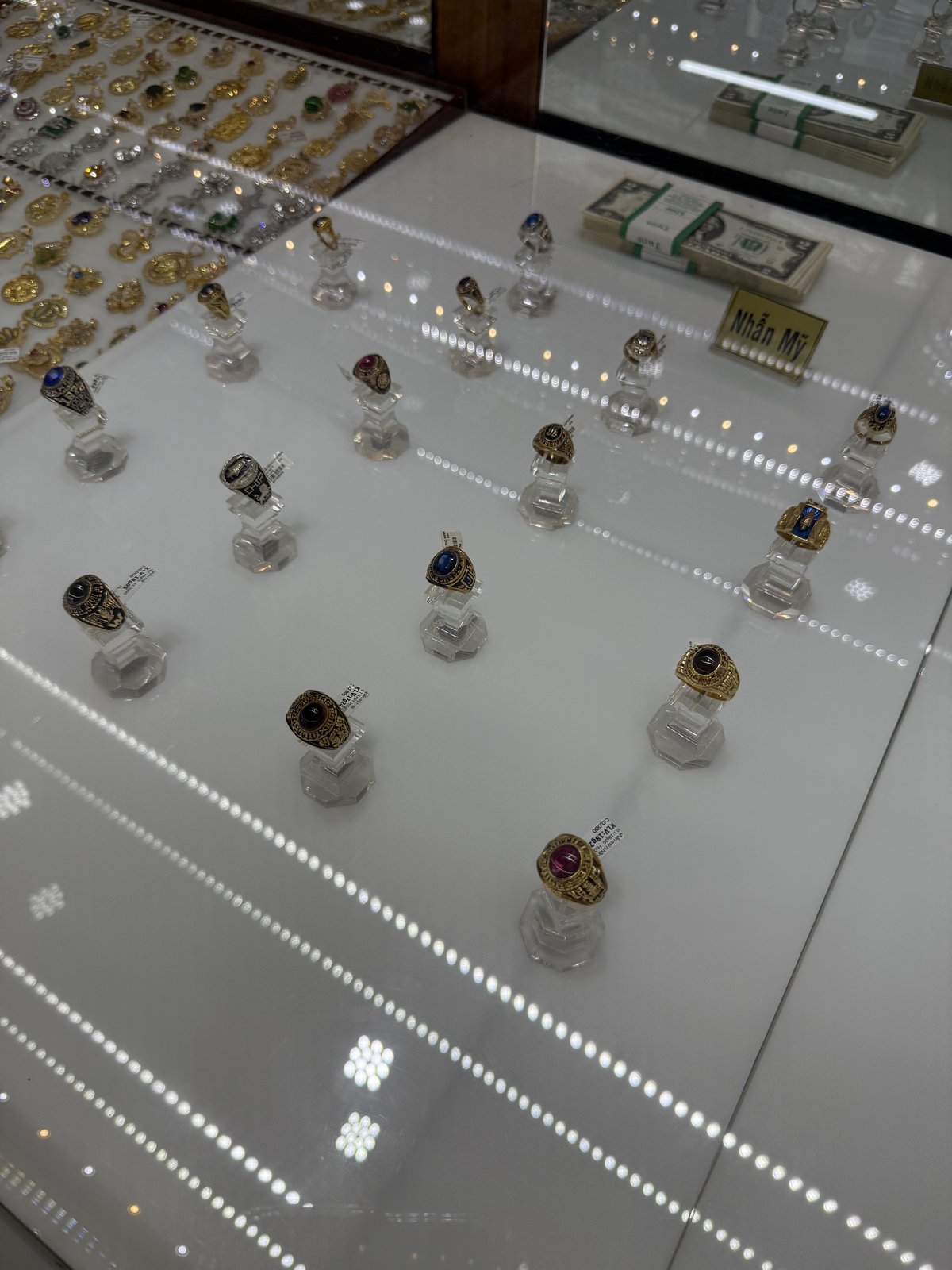
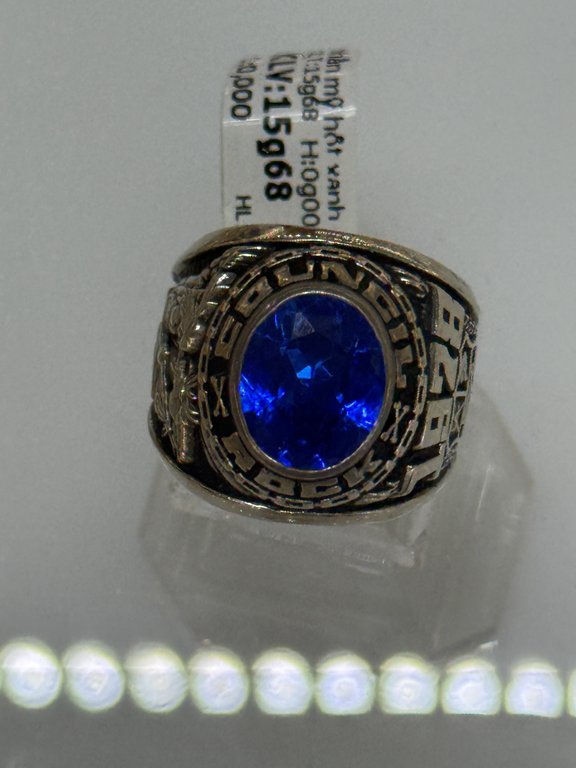
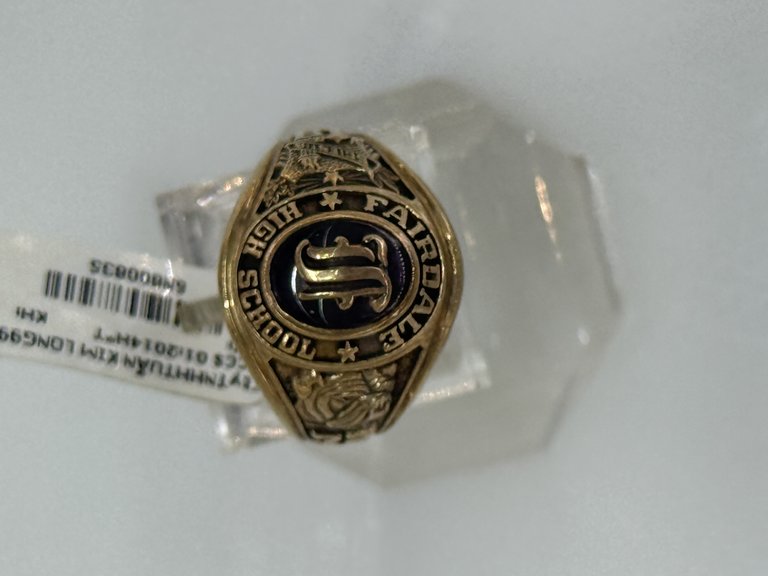
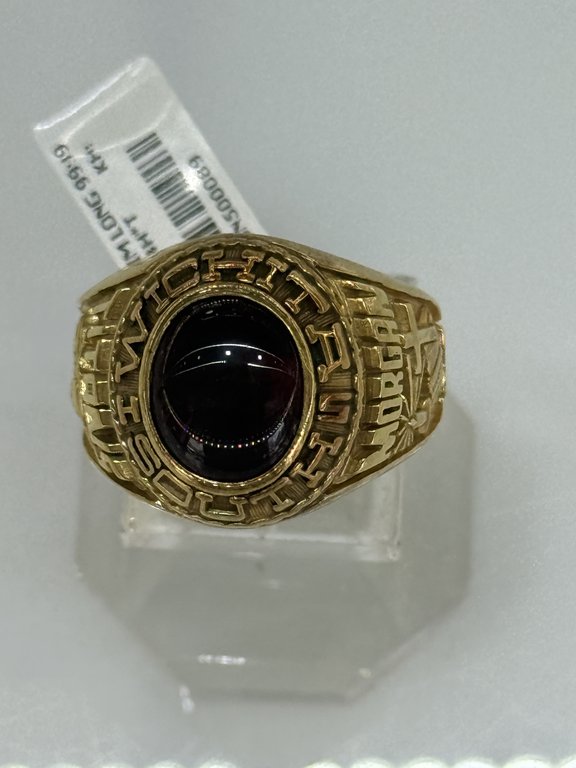
I remember the first time. It was a shop in Da Nang, and I froze in front of the glass. It was a case full of rings from back home, engraved with names and mottos and graduation years, keepsakes meant to say who you were. Now they were anonymous, a world away, with price tags on them. Where did they come from? Were they taken off the dead? Pawned on some drunken night in Saigon? Cashed in by a soldier who made a bad bet at a cockfight, on a bender he would never remember? Probably all of those, and a thousand other stories besides.
To the Vietnamese today, they are gold. They get melted, sold, traded, and sometimes faked. They are popular enough that you can buy plastic copies at the night markets for a few bucks. They sell because they stand for America, and a lot of Vietnamese today look at America as a possible picture of their own future. The history behind them, if anyone thinks of it at all, has been stripped of its feeling. And yet I feel it every time I see one.
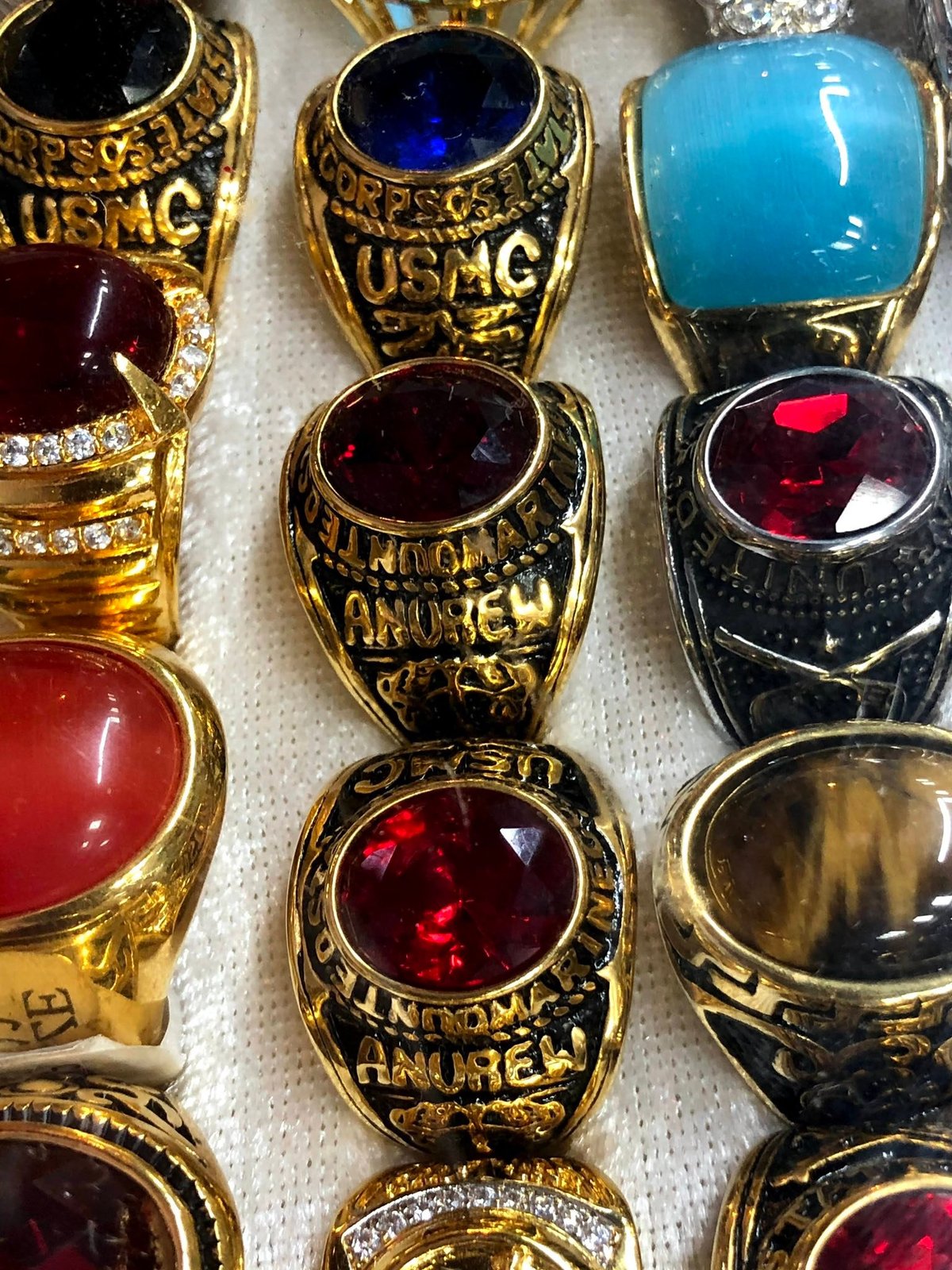
To be fair, most of them are not what they look like. Read the dates and most were made after the war ended, so you know they have nothing to do with it. I'm sure the vast majority are display pieces. It is the ones from the 1960s and early 70s that always make me wonder. One real one is enough to catch your breath.
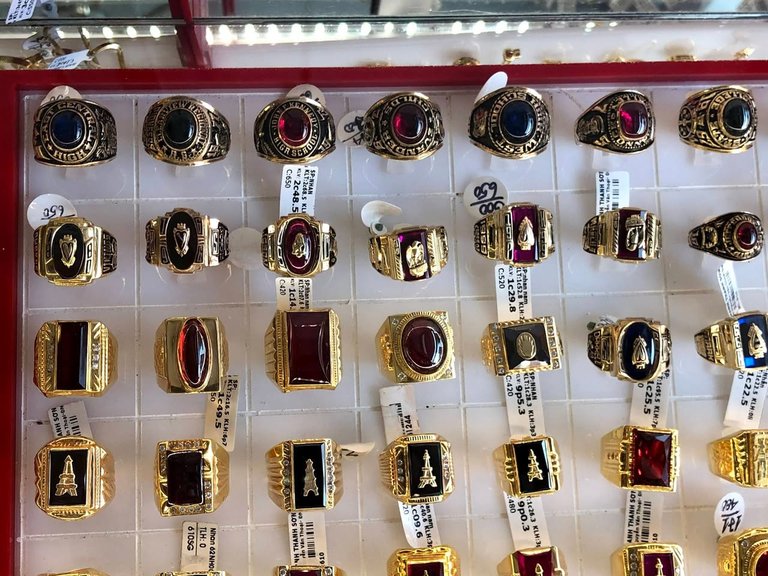
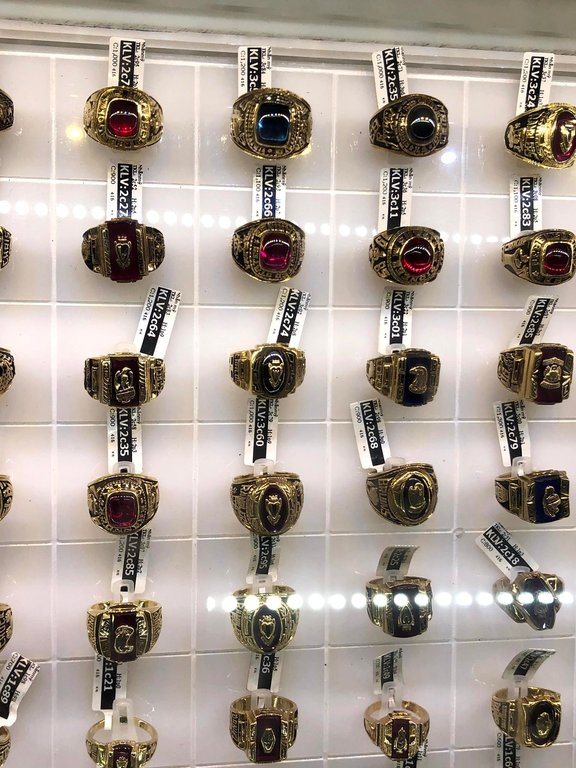
And some real ones have made it home. In 1984, the Air Force Academy class ring of Captain Lance Sijan, who was shot down on a mission over Laos in November of 1967 and died in Hỏa Lò Prison in Hanoi in January of 1968, came out of Laos through an intermediary and was returned to his family. Not every ring gets that far. In 2012 an American contractor named Rick Dunn spotted a 1970 Montgomery County High School ring from Kentucky in a shop in Thái Bình, bought it for about $30, and mailed it to the school system in Kentucky in hopes of finding its owner. A year later, no one had claimed it. A former North Vietnamese pilot, Nguyễn Hồng Mỹ, bought a 1972 Mackin High School ring in a Hanoi jewelry shop in the 1980s, not knowing where it came from, and later gave it to Dan Cherry, the American pilot who shot him down in April of 1972. The two men had become friends. As of this past May, that ring was on display at Aviation Heritage Park, and Cherry was still looking for its owner.
Families trace them by serial numbers, units and school crests, and once in a while a ring finds its way back. Most still sit behind the glass, waiting for someone who knows what they are. In the end, maybe that is the real story. Even a war leaves souvenirs, and the smallest piece of someone's life can travel halfway around the world and still say who they were.
We changed our money and went to find lunch.
Gỏi, Chè, and a Cart Full of Options
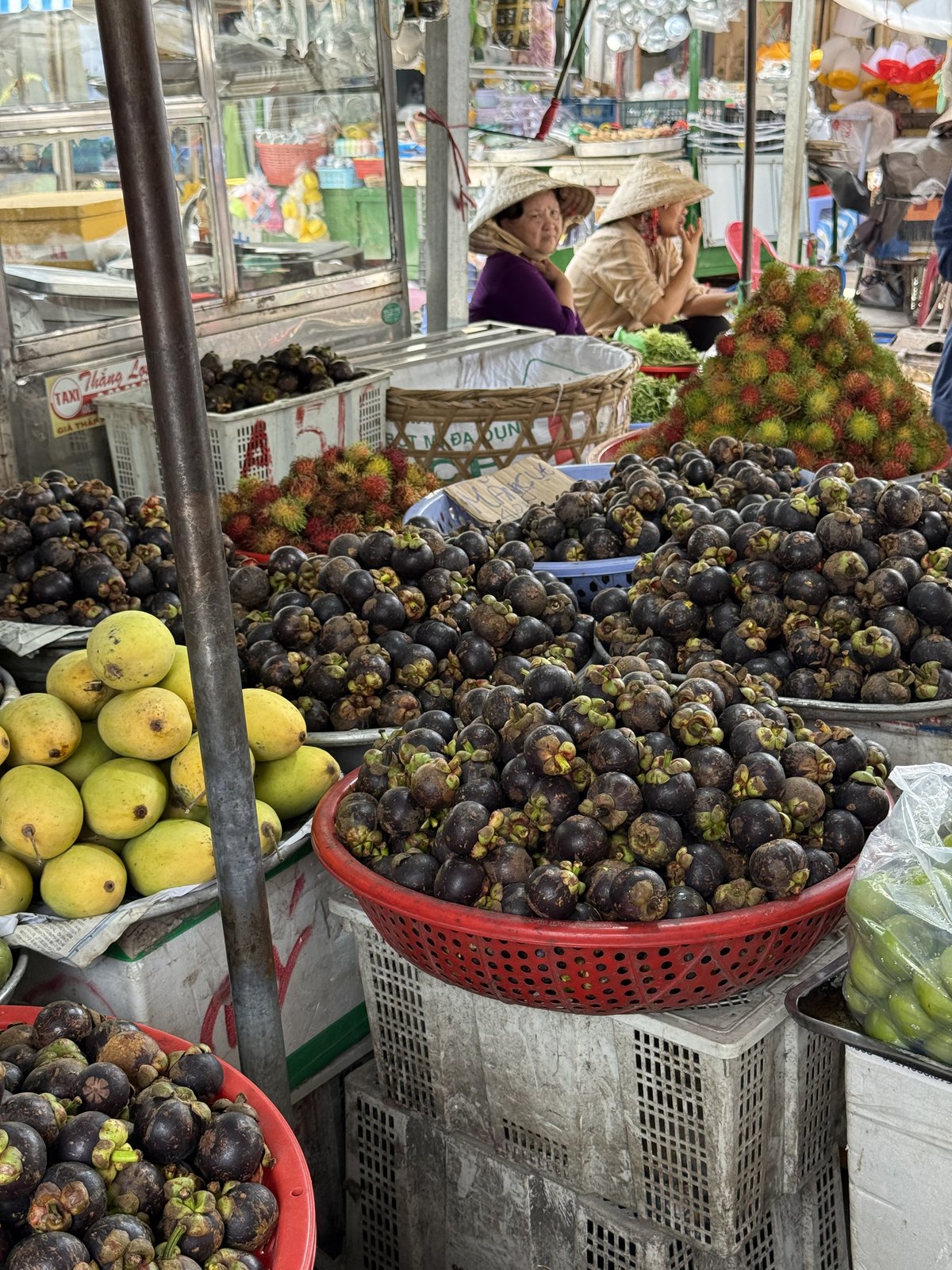
Nearby, in the market lanes, mangosteens and rambutans were heaped in baskets beside piles of yellow mangoes, the vendors under their nón lá behind them. A stall was hung floor to ceiling with bags of snacks and toys.
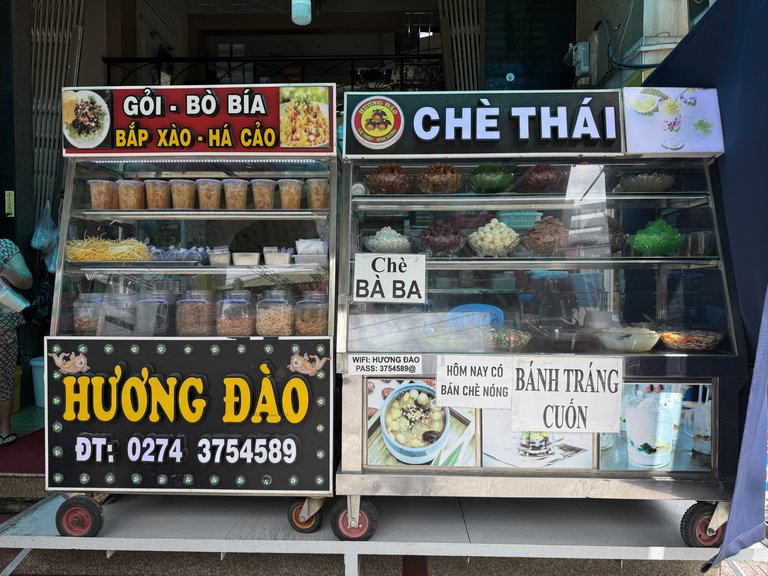
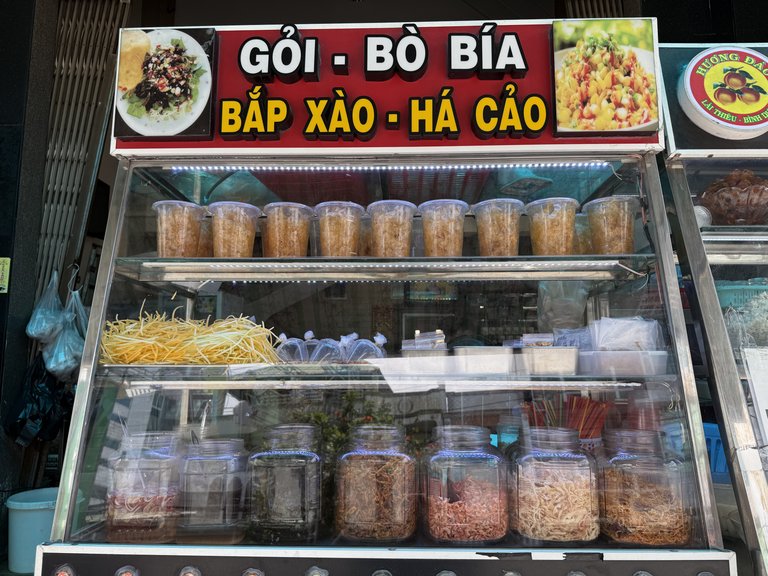
Lunch came from a pair of glass carts parked in front of a little shop with a green trà sữa sign. One cart was labeled Gỏi, Bò Bía, Bắp Xào, Há Cảo, its shelves lined with jars of toppings, with Hương Đào across the bottom. The other read Chè Thái.
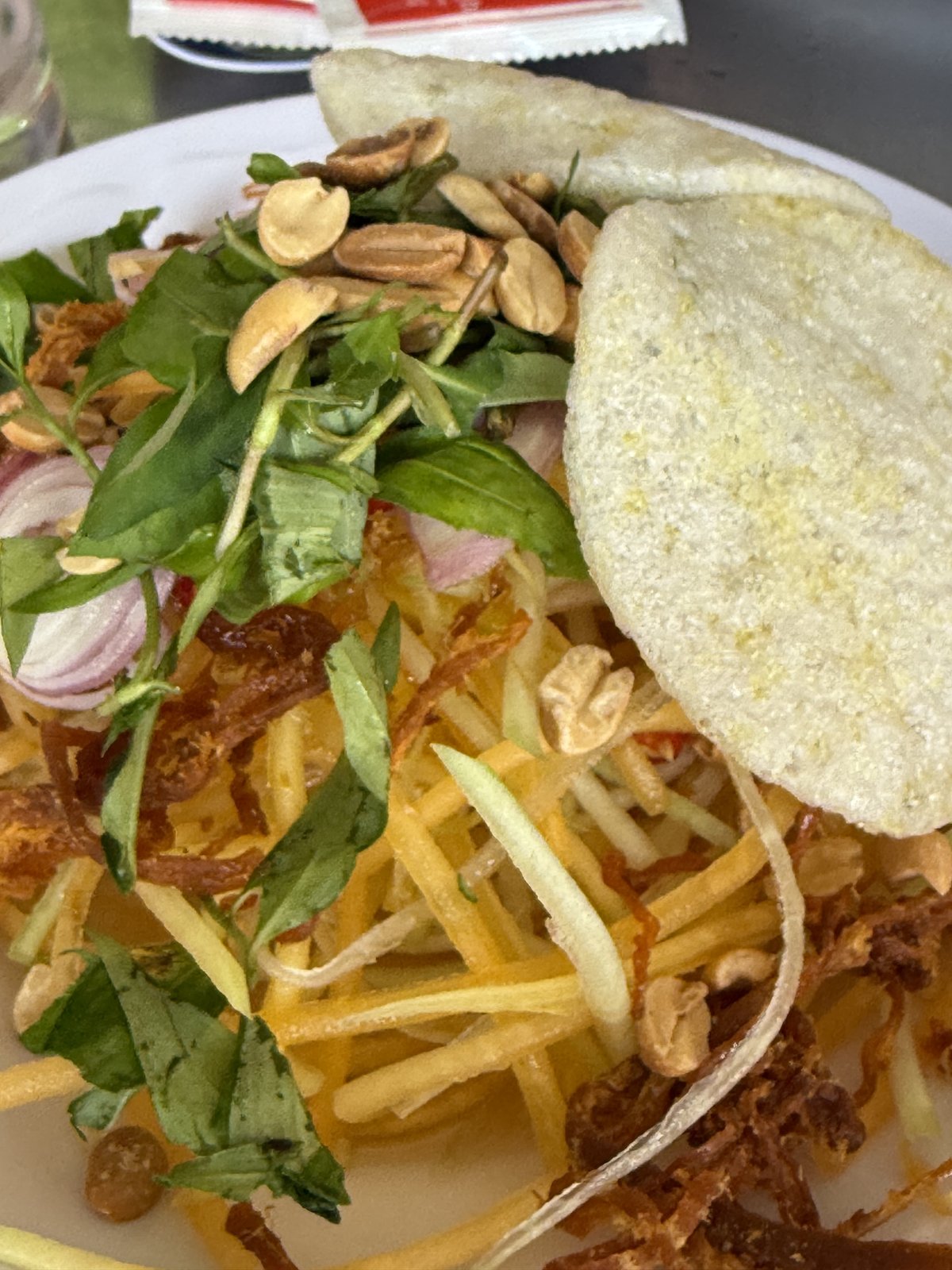
Lunch was gỏi đu đủ khô bò, papaya and dried beef salad. Shredded young papaya, rau răm (Vietnamese coriander), shallots, peanuts, Thai chili, a sweet nước mắm and lime dressing, and Vietnamese beef jerky, with a crisp rice cracker laid over the top. It is one of the classic snacks of Saigon. The newspaper VietNamNet once called it a favorite of generations of Saigonese, and summed it up as papaya, peanuts, khô bò and a crunchy cracker, with a dressing whose heat decides whether the whole thing works. This one worked.
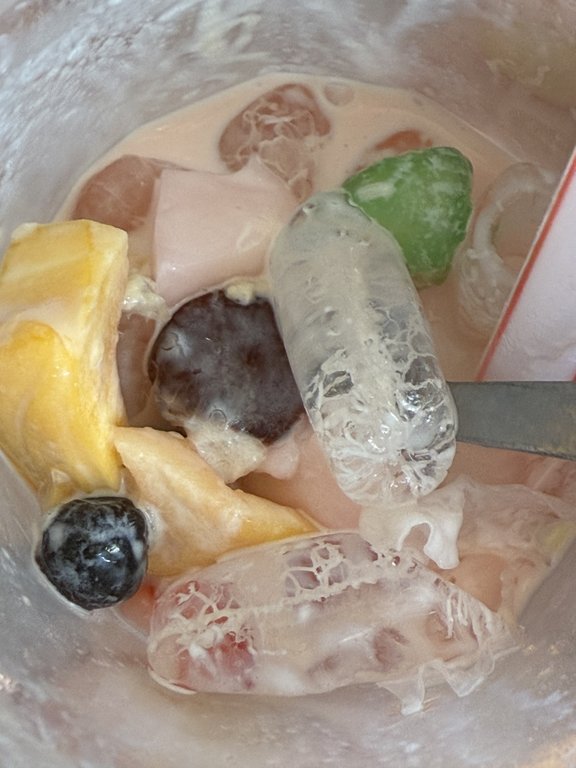
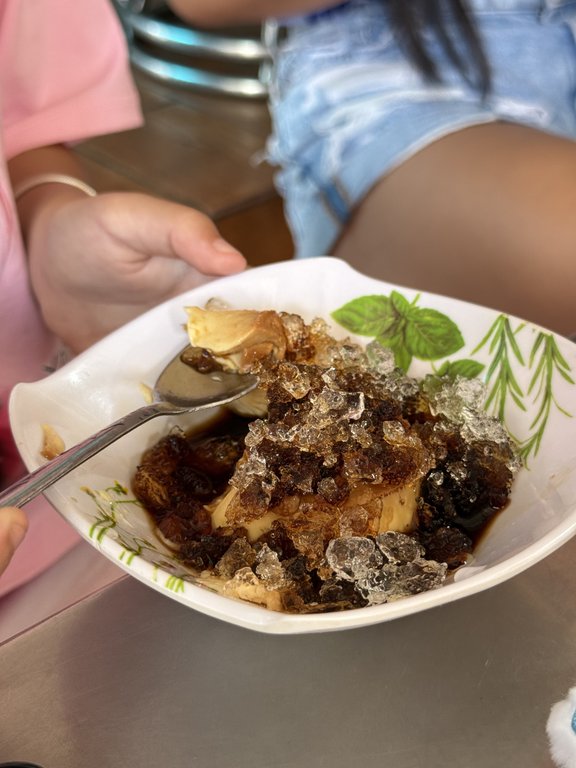
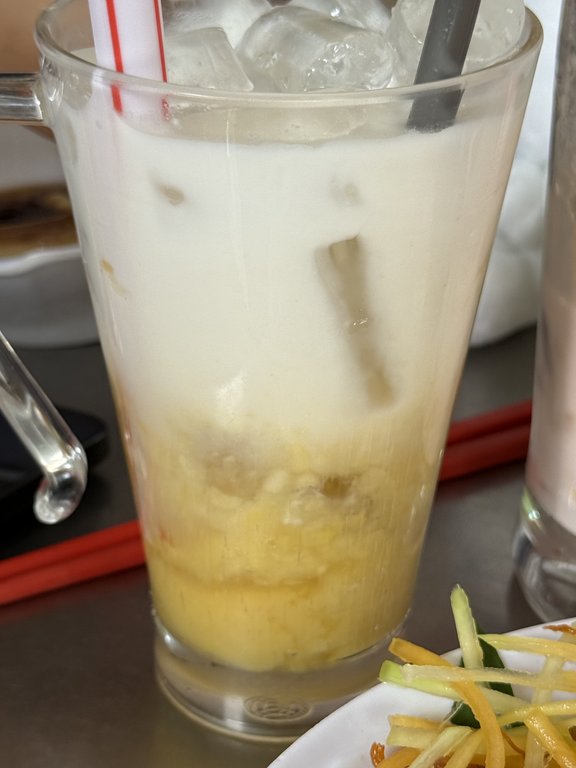
Then came the chè. Chè is one of those words that covers a million things in the Vietnamese dessert world. Fruits, jellies, beans, grasses, sweet potatoes, yams and much more, served with a sweet syrup, coconut milk or some kind of milk, and always over crushed ice unless it is a hot one. The cart, with its piles of options, is in the picture. Chè Thái is the Vietnamese riff on a Thai sweet called tap tim krop. It typically has jackfruit, toddy palm seeds and longans, and sometimes grass jelly and tapioca strands, in a sweet coconut cream. Mine was a mix. Diem went for her go-to mung bean. Jennie had a coffee-flavored, flan-like version, and Lisa had a simple avocado smoothie.
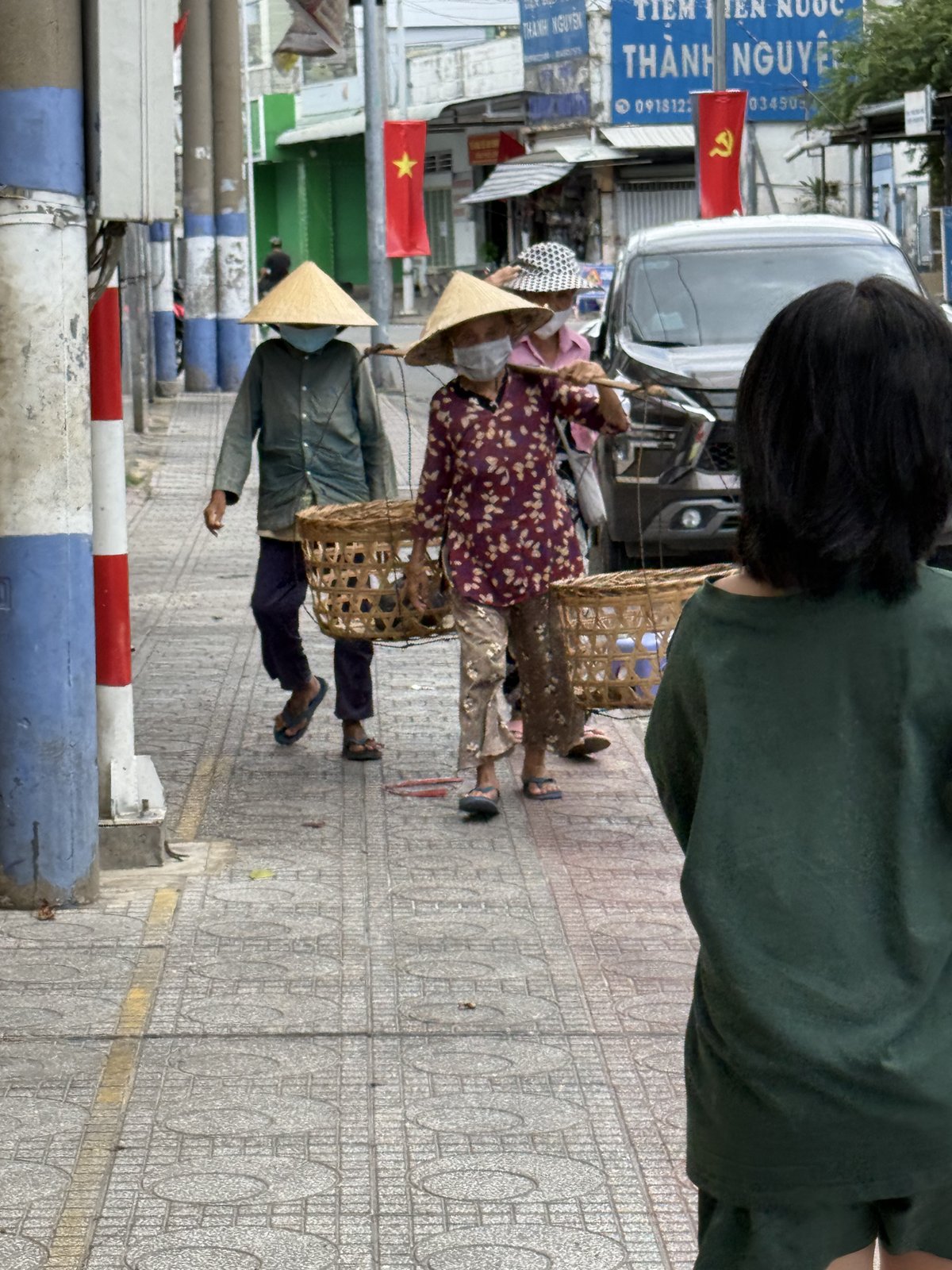
On the sidewalk after lunch, two women in nón lá walked past us, carrying their baskets on shoulder poles.
Kenny
From there we went to see the newest member of the family one last time. I was humbled to be asked to give our new nephew an English nickname. After much debate I settled on a good ol' Scottish name, Kenny, short for Kenneth, the handsome one. Kenneth is an English form of two old Gaelic names, and one of them, Coinneach, comes from a word for handsome or comely. He has plenty of time to live up to it.
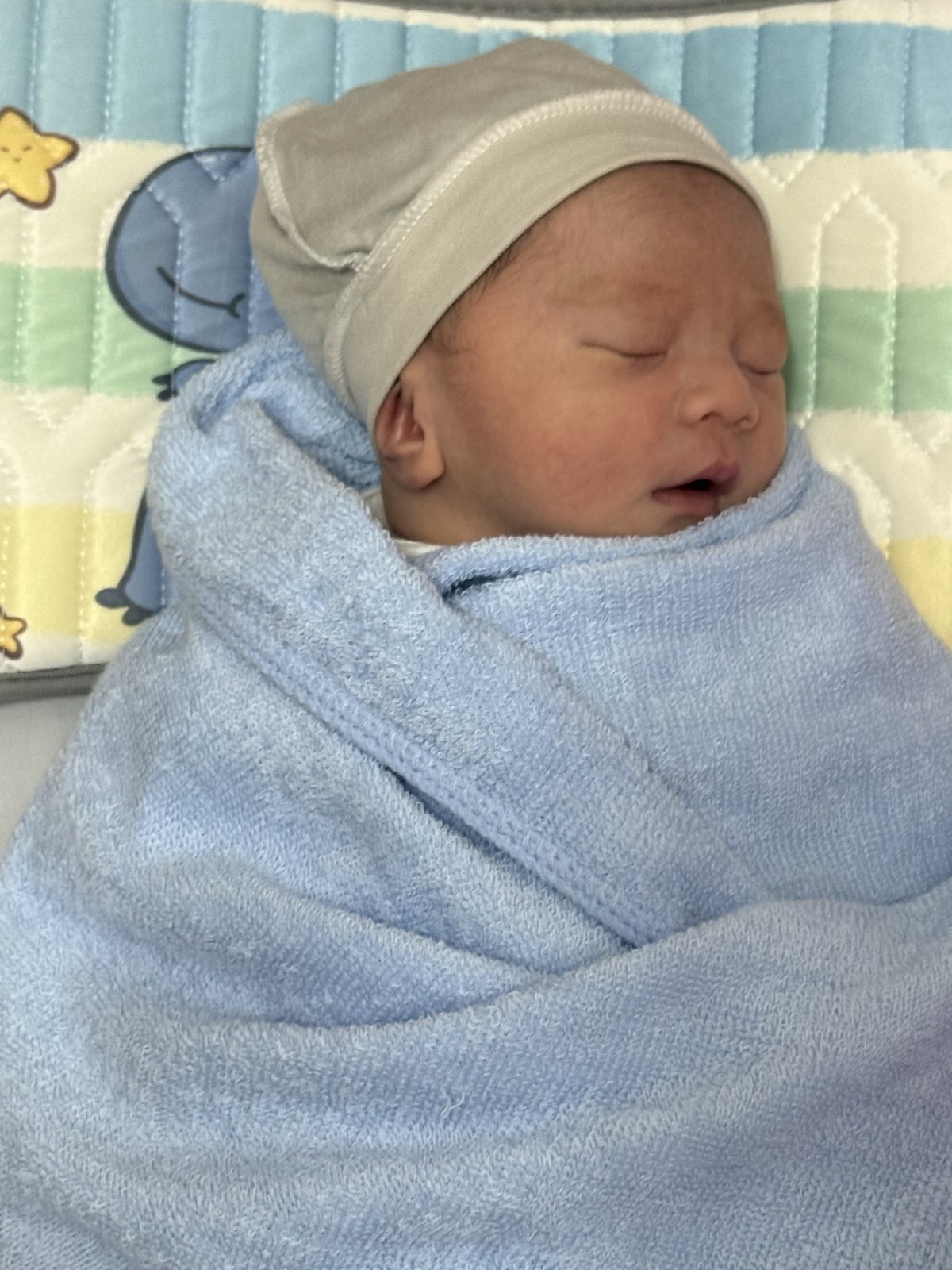
English nicknames have become increasingly popular as the country has opened up to the West over the past few decades. My brother-in-law who runs the salon in Da Nang has always been Kevin to me. Vietnamese families have long given their children a home name, a tên ở nhà, apart from the name on their papers. The old custom was to choose an ugly one, on the belief that a child with a plain name was easier to raise. These days home names run more to the cute side, animals and vegetables and the foods a mother craved while she was pregnant, and some borrow from English. VnExpress once found babies at home called Ken and Tiger, both lifted off beer labels. Students and office workers pick English names too, for study abroad, for jobs at foreign companies, or simply to spare a foreigner the six tones. Ho Chi Minh City's education department even banned English names in its classrooms in 2017. Kenny, I think, will be in good company.
Kenny and his mother were still in the hospital, so we came by to say one last goodbye before the long journey home.
A Long Afternoon
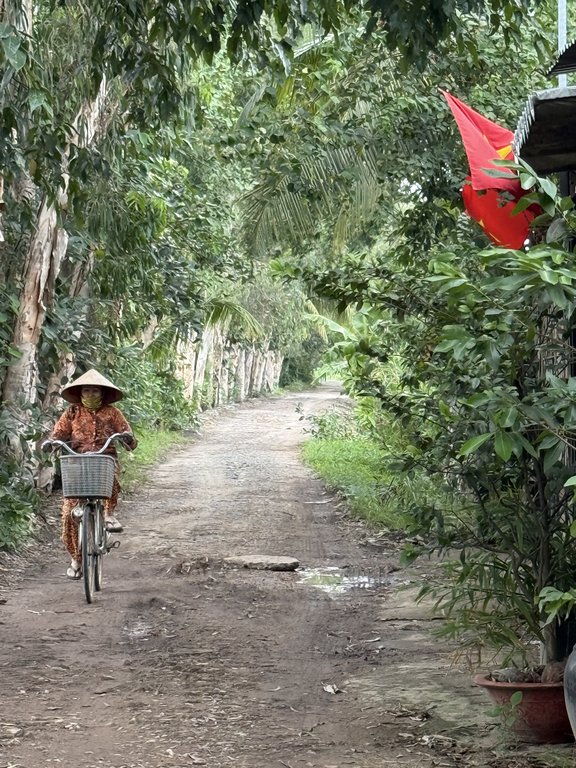
The afternoon belonged to the spot under the trees. The red stools had filled in, a basket of fruit and a few drinks had landed on the low table, and the men were settled in. Down a dirt lane, under a tunnel of trees, a woman in a nón lá pedaled past on her bicycle, a red flag with a yellow star hanging off a post beside her.
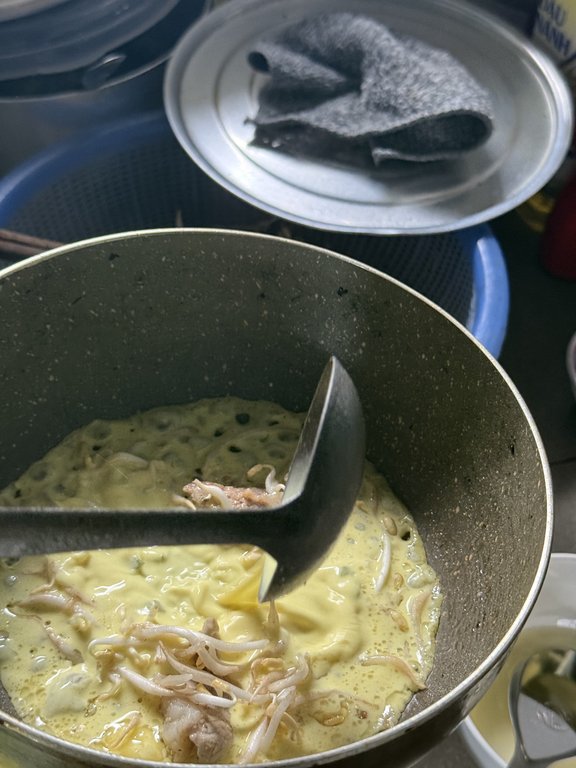
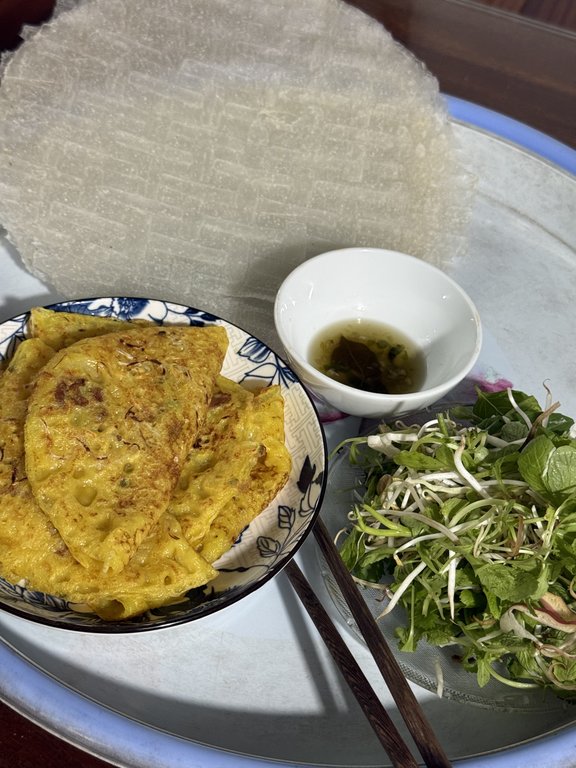
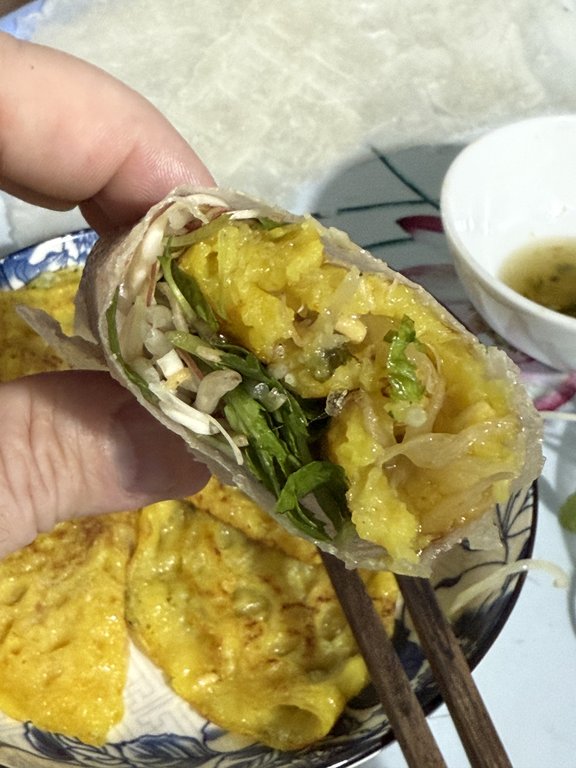
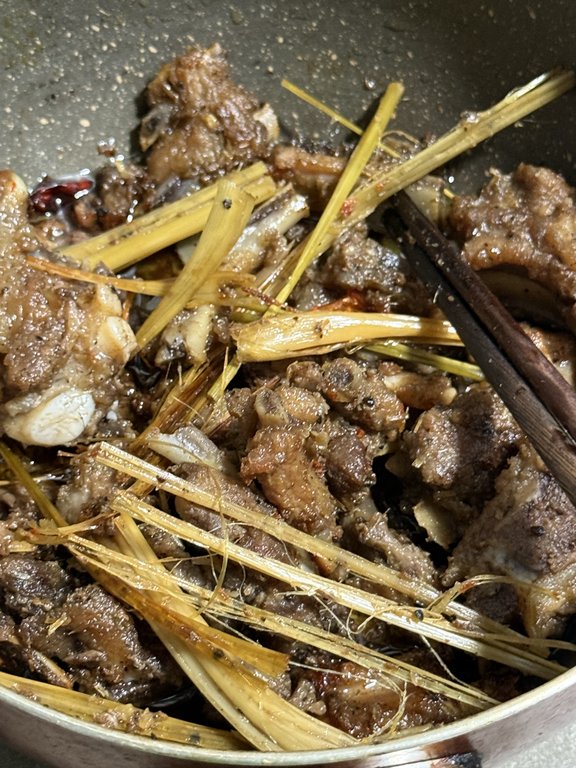
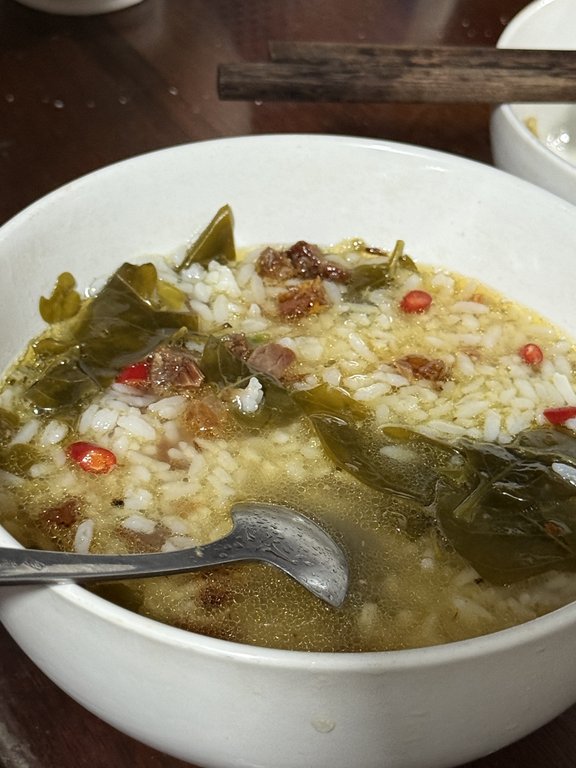
We ate our third and fourth meals at home. My sister-in-law made one of our favorites, bánh xèo, the turmeric and coconut crepes. These were the southern kind, wide enough to fold in half across a plate, the batter poured into the pan over bean sprouts, then rolled up in rice paper with fresh greens and dunked in the sauce. Later it was a simple but delicious rice with pork belly, and lemongrass spare ribs, browned in the pan with long stalks of lemongrass.
Một, Hai, Ba, Dzô
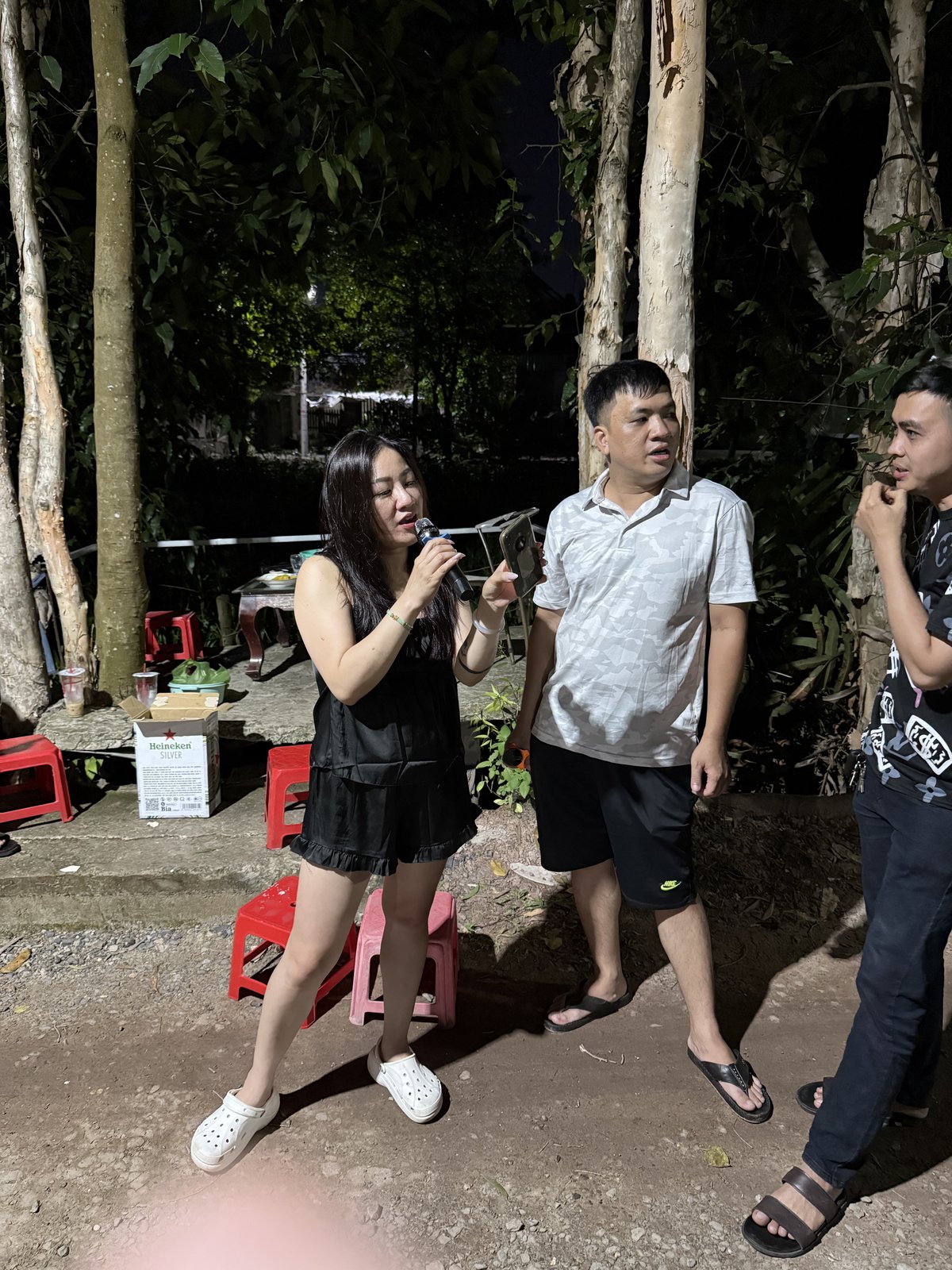
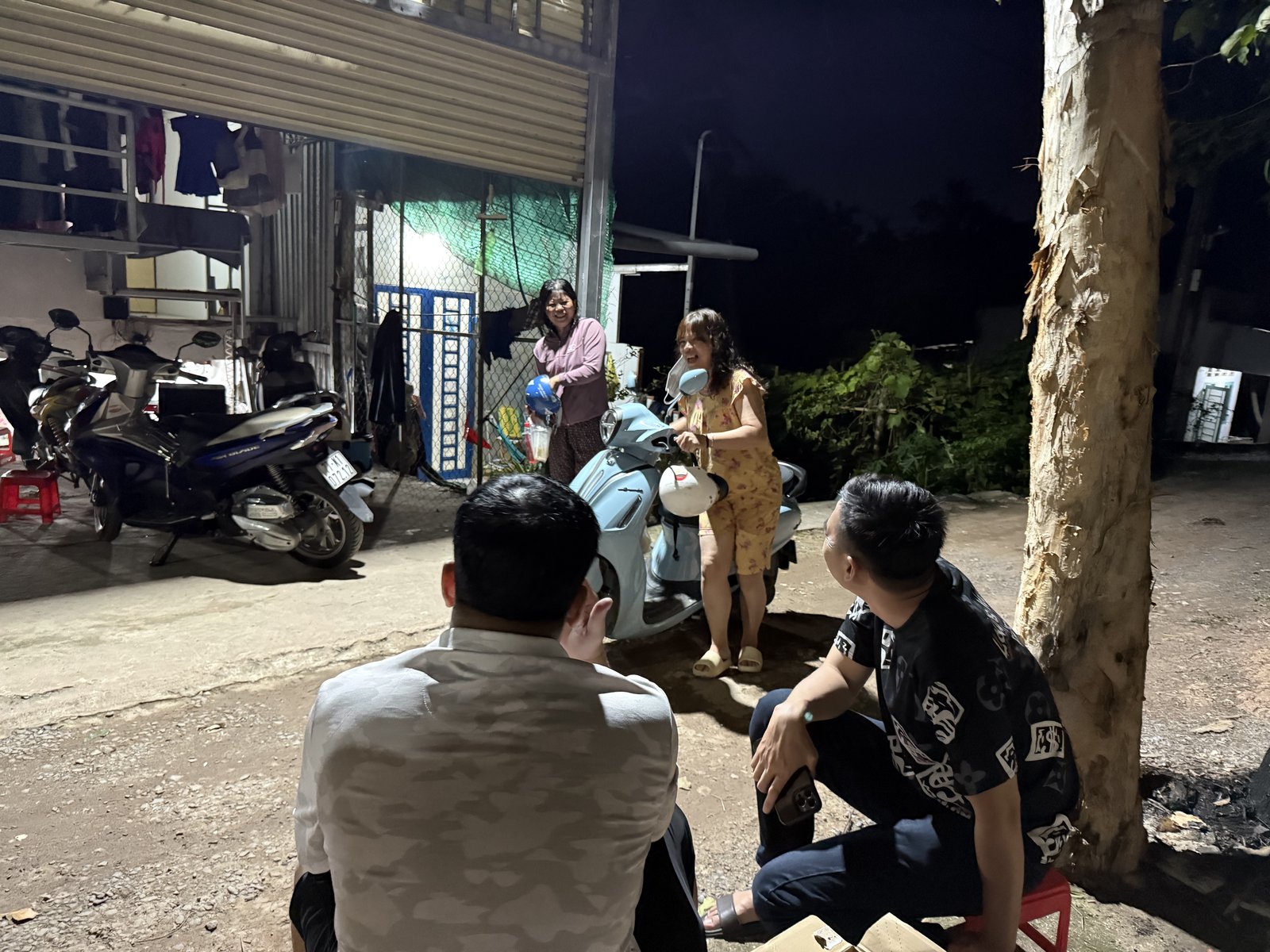
When the sun went down, the spot under the trees on the river's edge turned into a karaoke bar. Somebody brought a microphone. Somebody always brings a microphone. The stools came out, the singers took turns standing in the lane, and we sang until the sun had long vanished and the night had gone the color of ink. Coated, all of us, in that infamous Saigon glaze. One last round for the ages. Một, hai, ba, dzô! One, two, three, cheers!
Last Meals
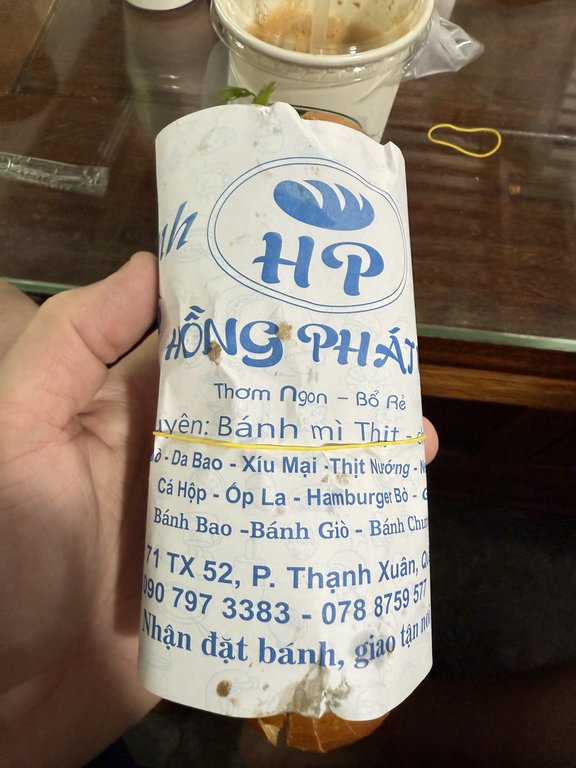
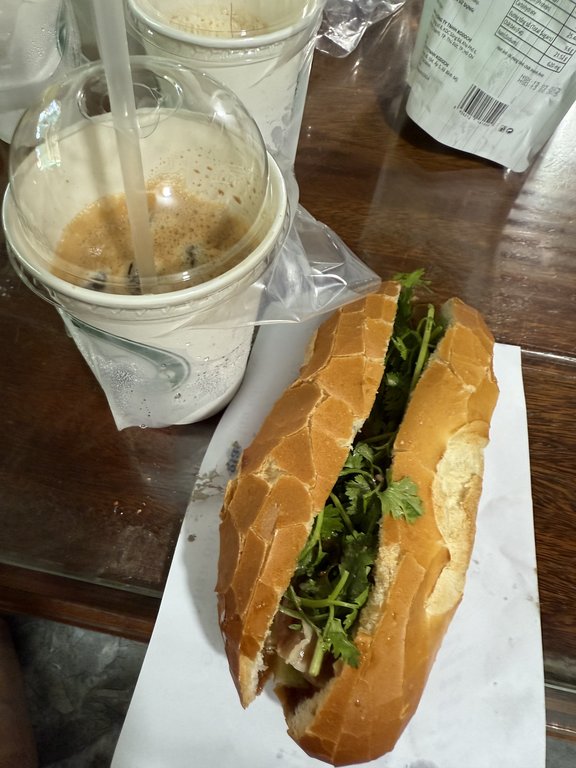
Monday was all about last meals before the flight. Breakfast was bánh mì and coffee. The sandwiches came from a bakery called Hồng Phát in Thạnh Xuân, and the paper wrapper promised Thơm Ngon, Bổ Rẻ: tasty, nourishing, cheap. All three were true. A crusty roll, cold cuts, pickled vegetables, a fistful of herbs, and an iced coffee alongside. When we left Vietnam in 2021, my last bánh mì came on the morning of our flight too. Some traditions write themselves.
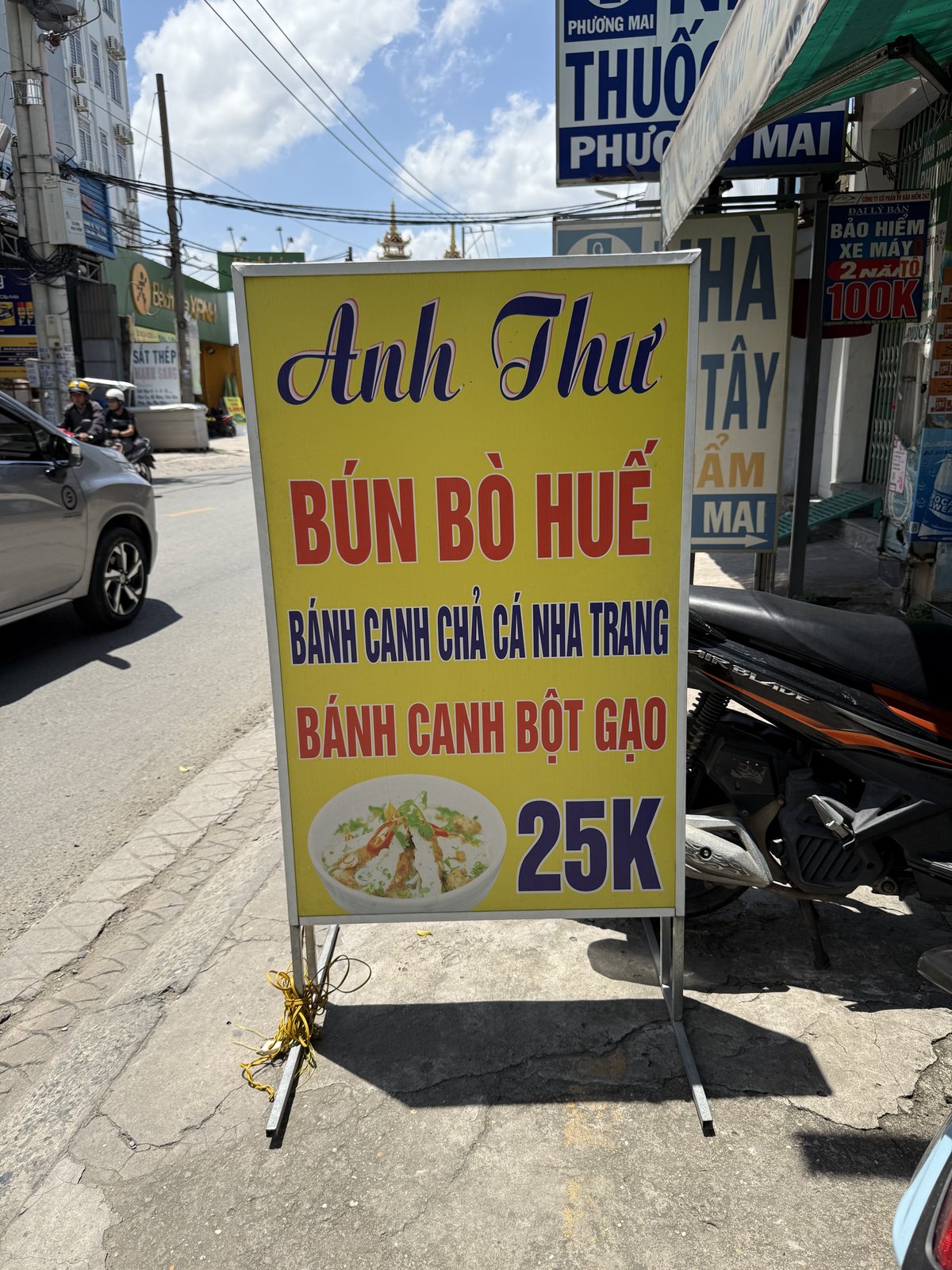
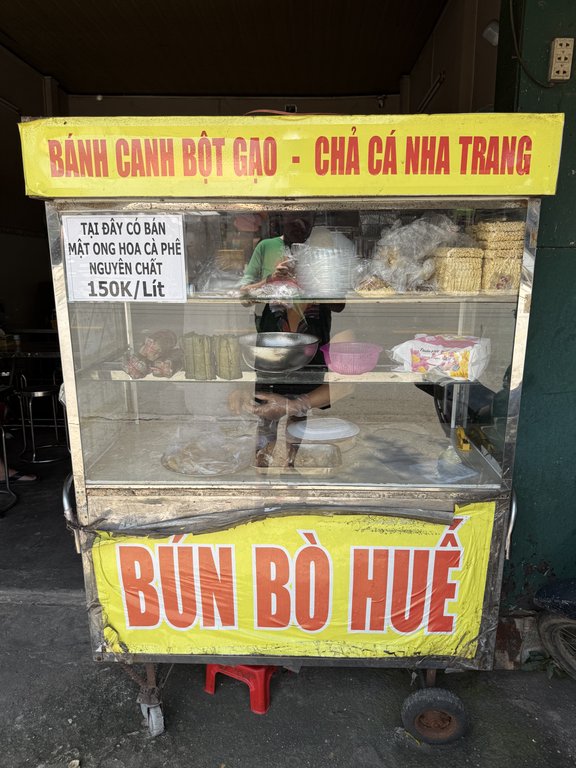
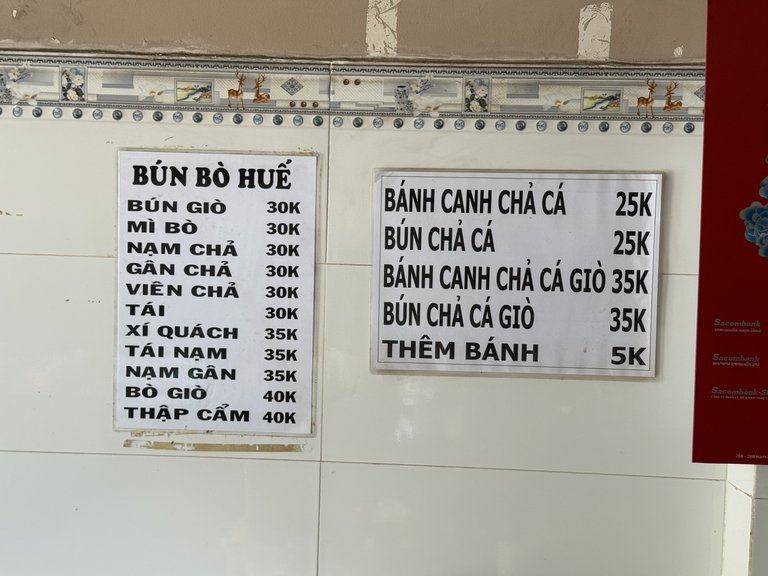
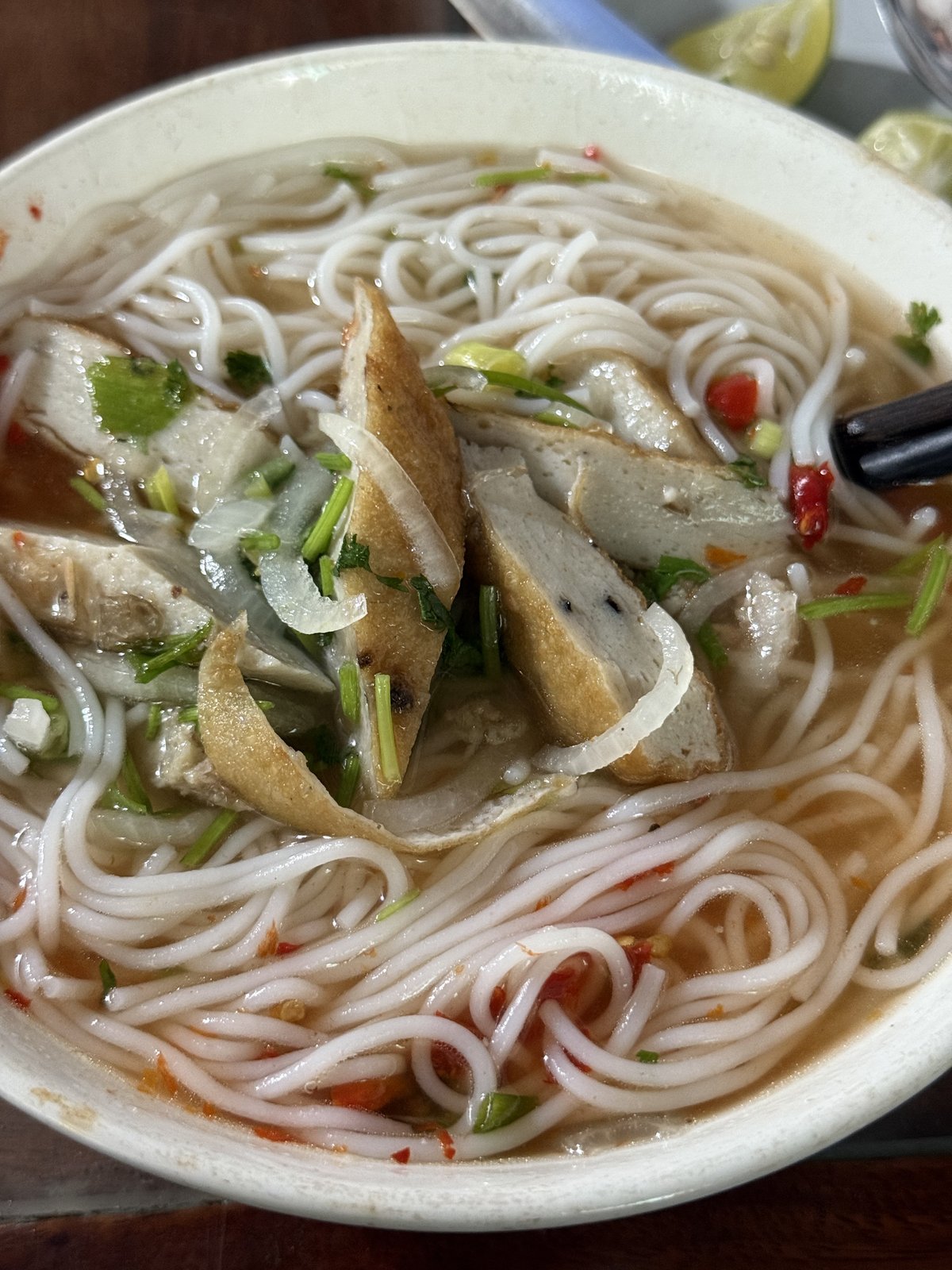
For lunch I put on a helmet, and Quan and I went to pick up bún chả cá to go, rice noodles in a clear broth with slices of fried fish cake, from a little open-front shop called Anh Thư. A yellow sign on the sidewalk advertised bún bò Huế, bánh canh with Nha Trang fish cake, and rice-flour bánh canh, 25K. The cart out front also sold coffee-blossom honey, 150,000 dong a liter. Inside, a man worked the gas burners while a woman sorted the herbs and greens. The menu board on the wall listed bún chả cá at 25,000 dong a bowl, with all the fixins. Roughly 96 cents U.S. We fed everyone for under $8. It was my second bowl of bún chả cá in three days, after the one in the clothing market at Phạm Văn Hai.
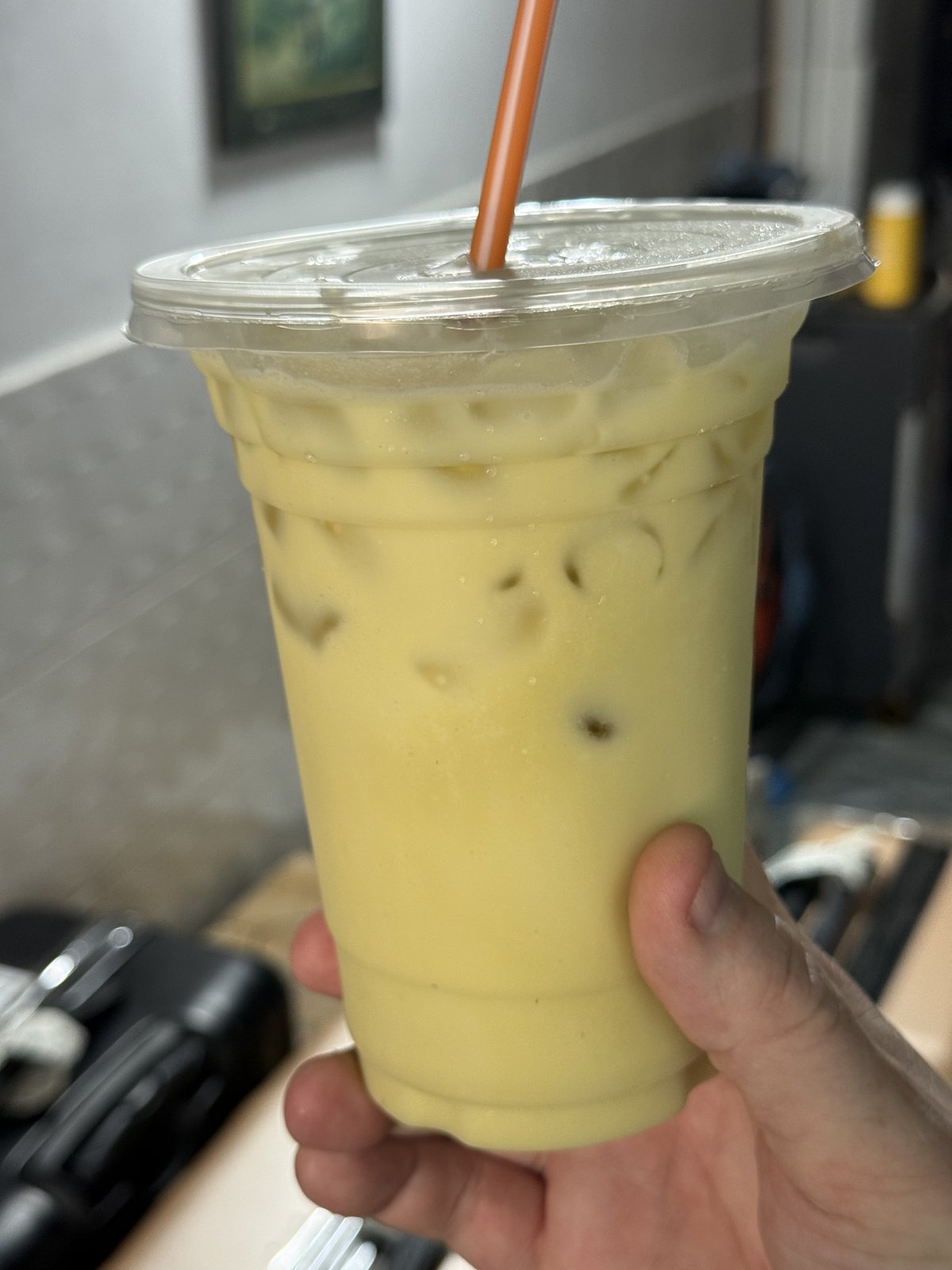
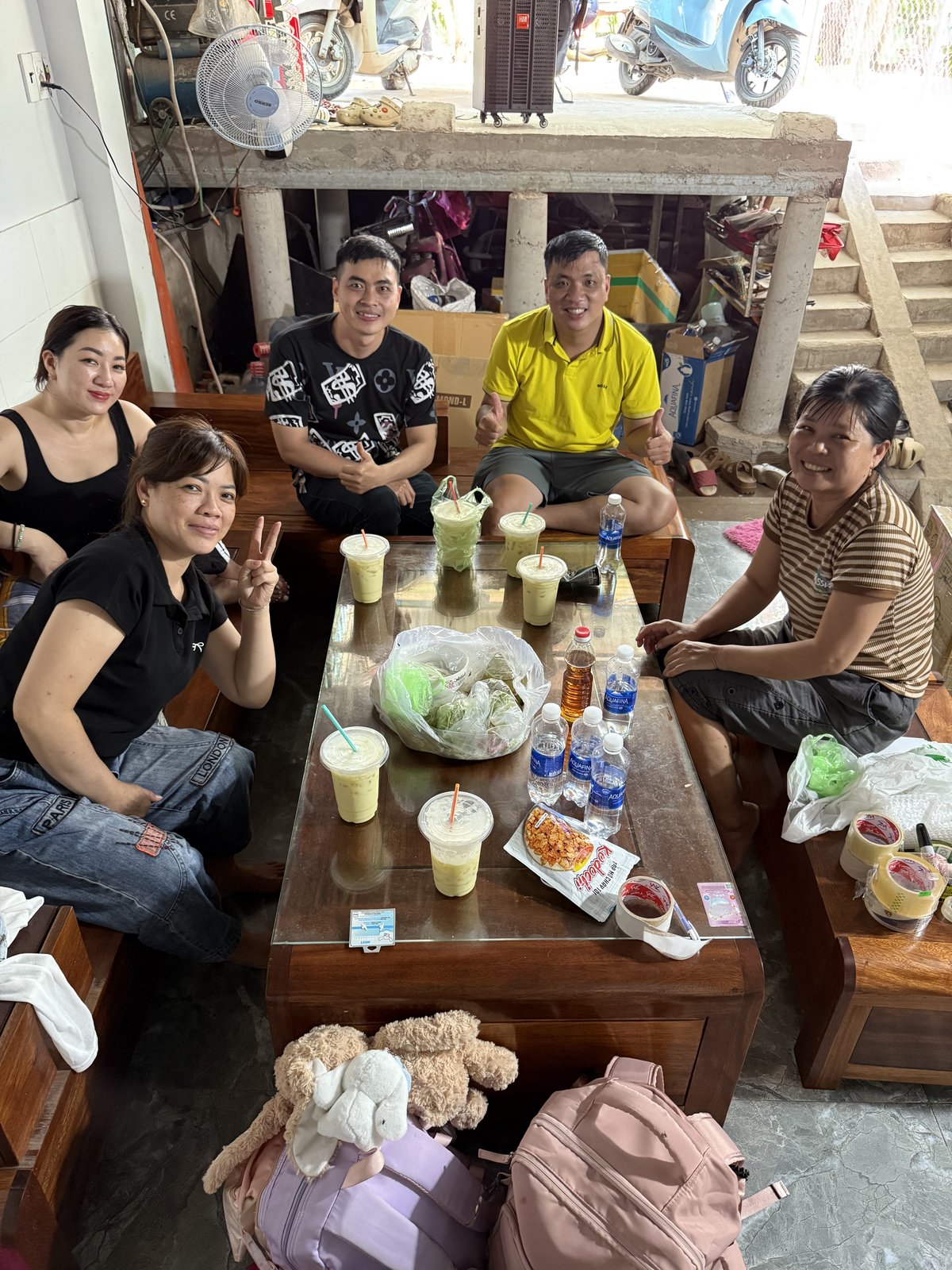
We finished it off with durian nước mía, sugarcane juice, at about a quarter each. Nước mía is pressed to order, the peeled cane fed through a pair of heavy rollers, usually with a couple of kumquats folded in. The durian version is a little less common. We drank ours around the low wooden table in the front room with the family. I'm going to miss these prices.
The I.Q. Test
The most stressful part of our trips to Vietnam is always getting ready to come home. We fly Qatar because I love it, and because they give a lot of weight for checked bags: 100 pounds per passenger, in two 50-pound pieces. Our booking said two bags of 23 kilograms each, which is the same thing with better manners. It quickly devolves into chaos trying to make sure we bring back everything everyone in the States wants. Vietnamese tea and cigarettes for my father-in-law. Seasonings that are expensive in the US, or hard to come by. Some local tương ớt, chili sauce, and mắm nêm, the fermented fish dipping sauce, from Da Nang. A few nail supplies. Souvenirs. Boxes of snacks and instant noodles and cakes. It becomes a kind of I.Q. test, trying to get it all in.
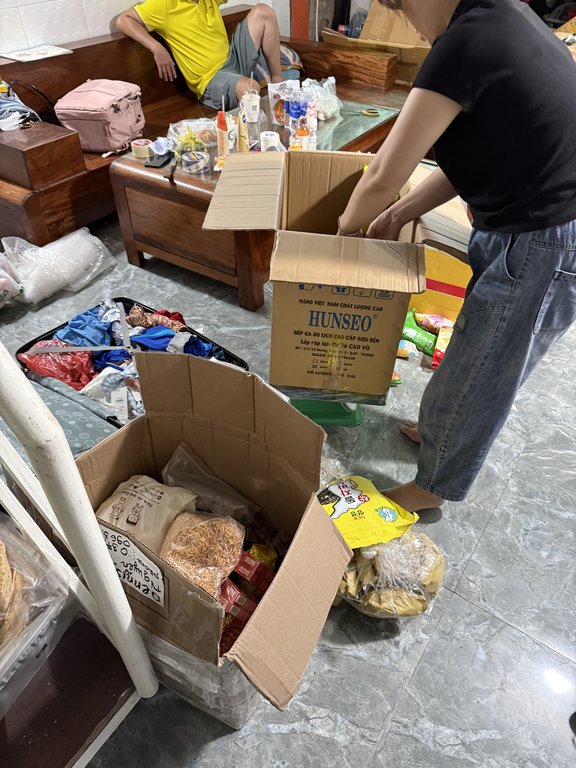
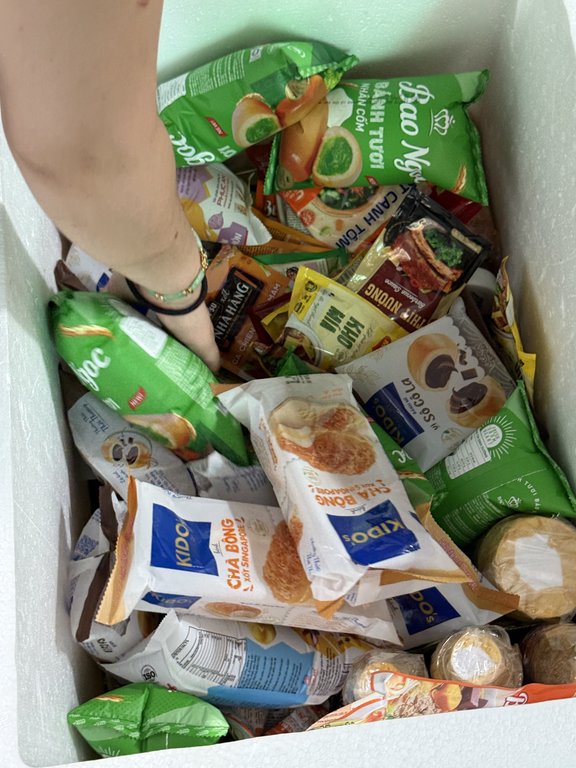
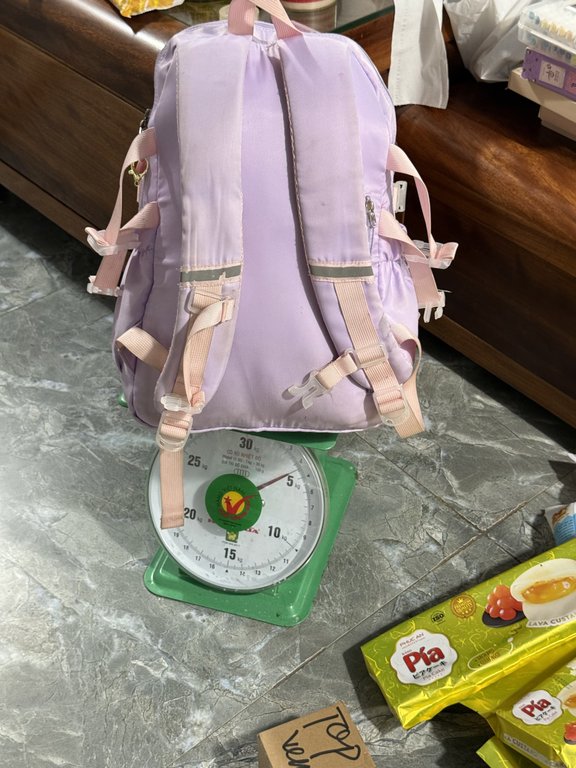
I end up wearing multiple layers, with bags hanging from my belt to save weight. It really is a sight to see. But we always get everything weighed and ready before we leave for the airport, backpacks included, and somehow it always just seems to work. And so it did. We loaded the car, and off to the airport we went.
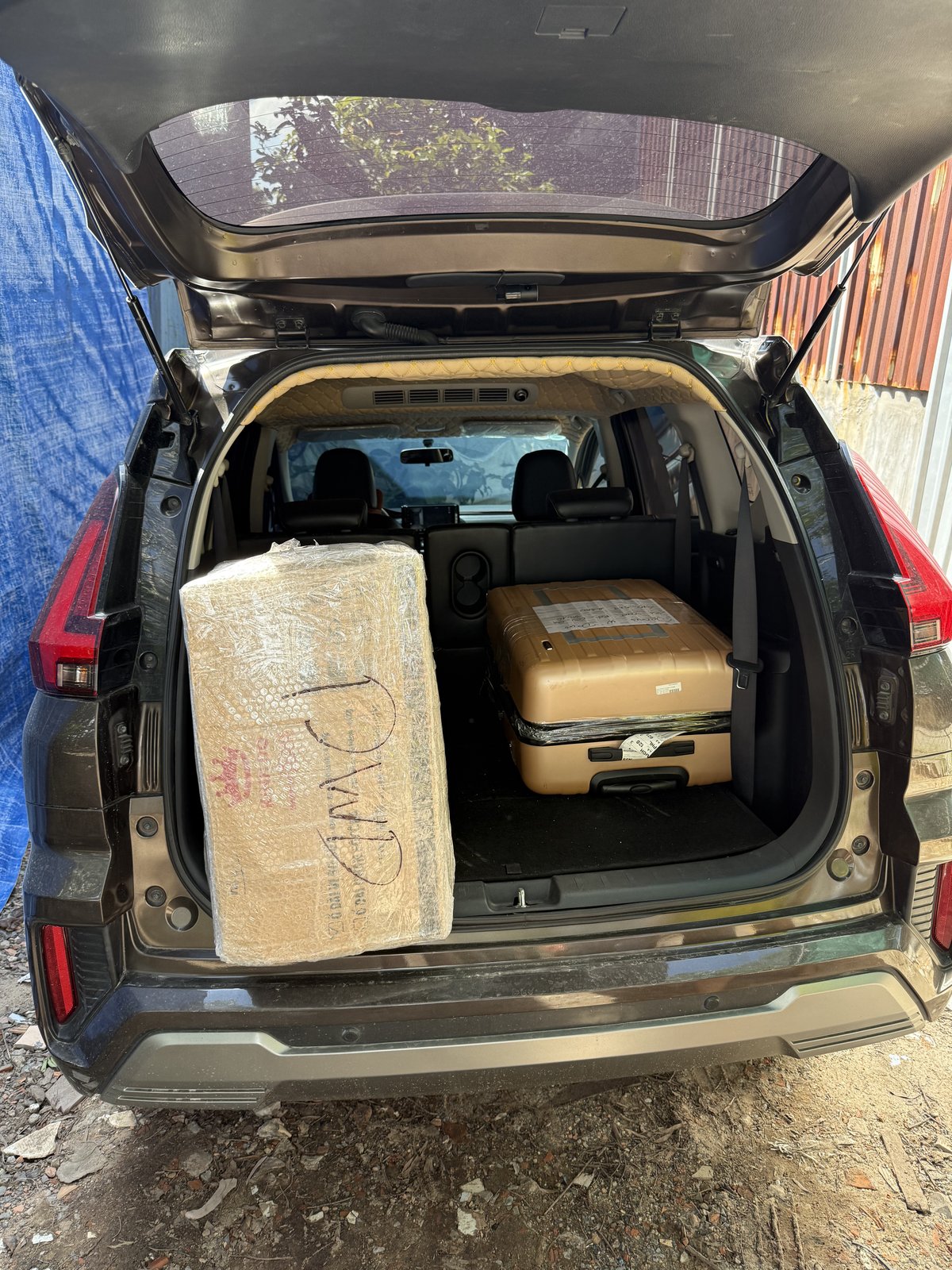
Tân Sơn Nhất
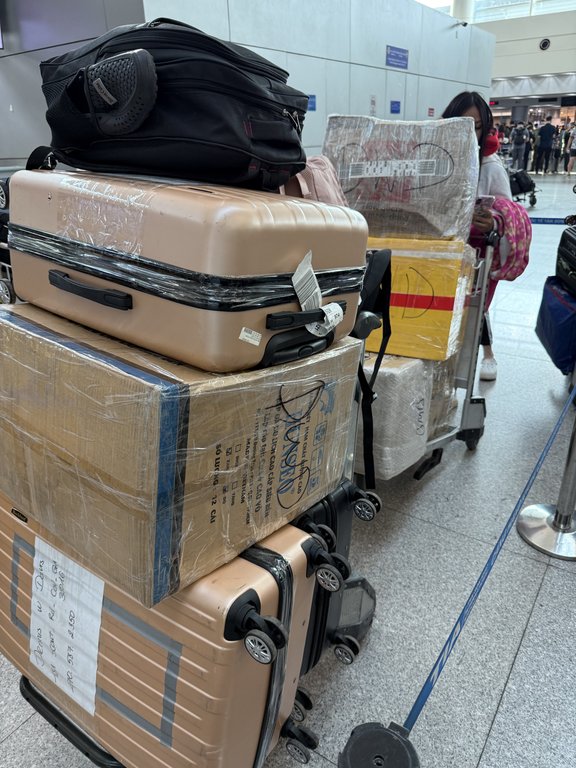
We checked in at Tân Sơn Nhất in the late afternoon, our cart stacked with suitcases and taped, labeled boxes. The check-in hall was packed. That alone was worth noting. The last time we flew out of here, in 2021, the international terminal stayed closed until 8 pm, the eateries were shuttered under black trash bags, and a whole day's international departures fit on one screen. Our family had to say goodbye at the door, because only passengers were allowed inside. This time they came in with us.
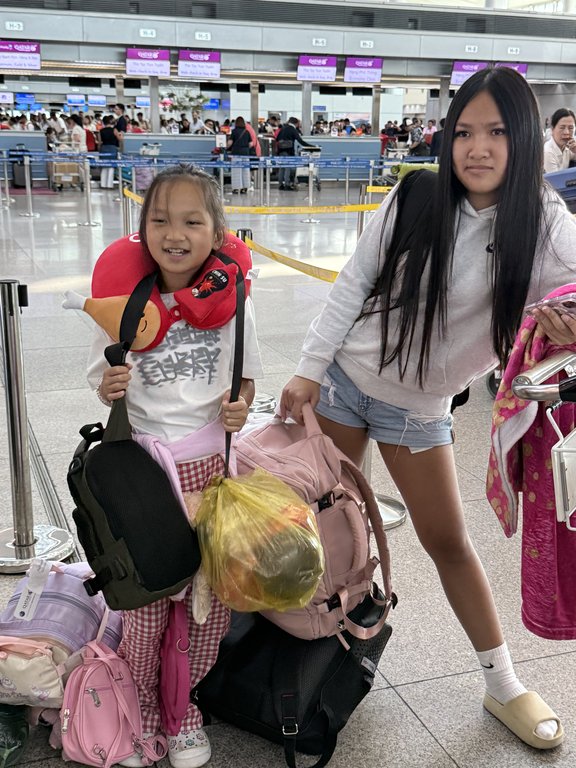
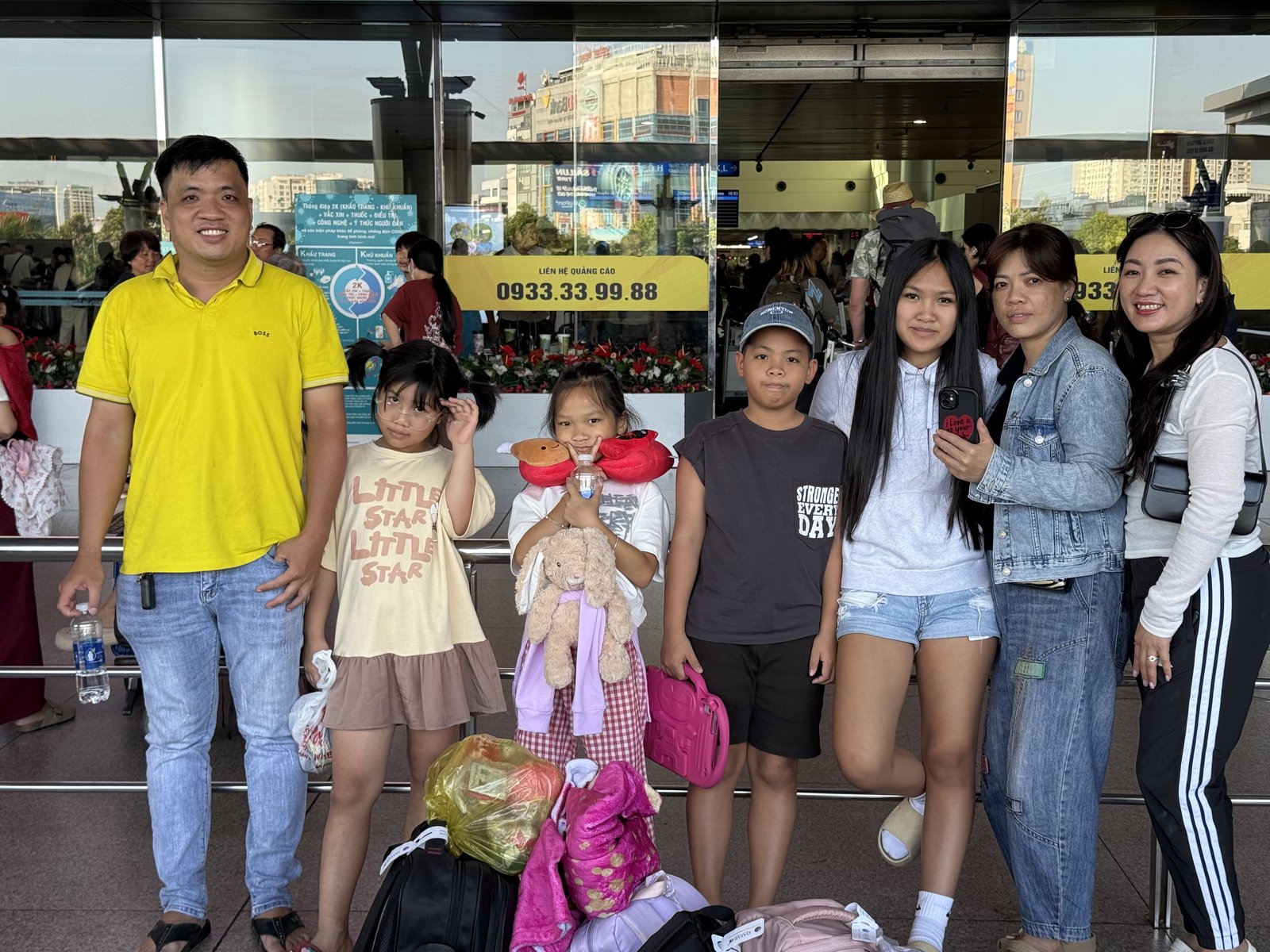
So we had one last visit with the family before we went through security. Pictures by the railing, under the departure boards. The kids posed with their stuffed animals and their neck pillows. A last selfie or two, with a thumbs up. The hardest part of the journey was just beginning. You learn a lot about yourself in the air for so long. At times it seems like an endless transit. Next stop, Doha. See you in 33 hours, Atlanta!
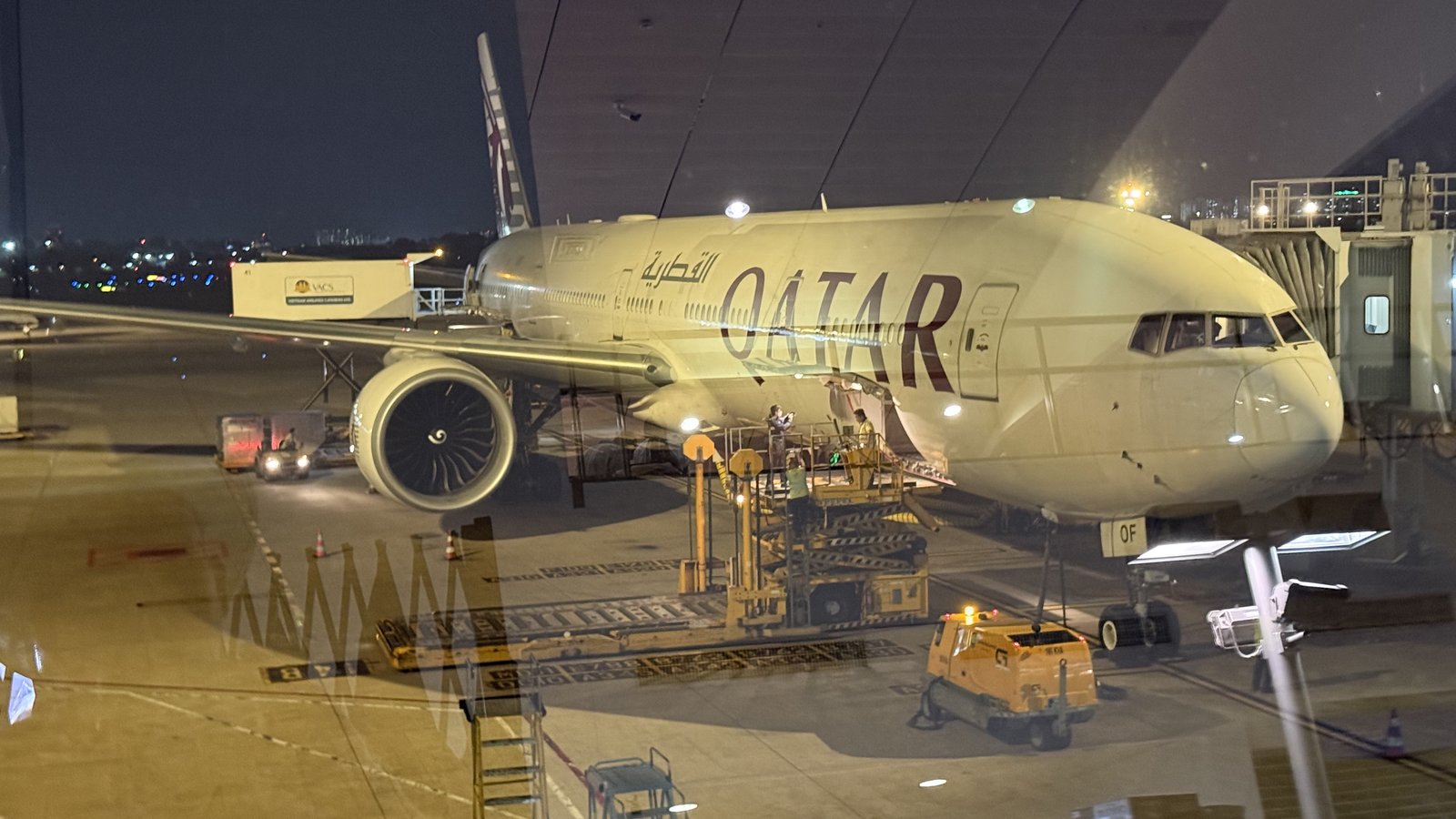
A little after seven that evening our Qatar plane was waiting at the gate in the dark, and we were boarding.
Doha
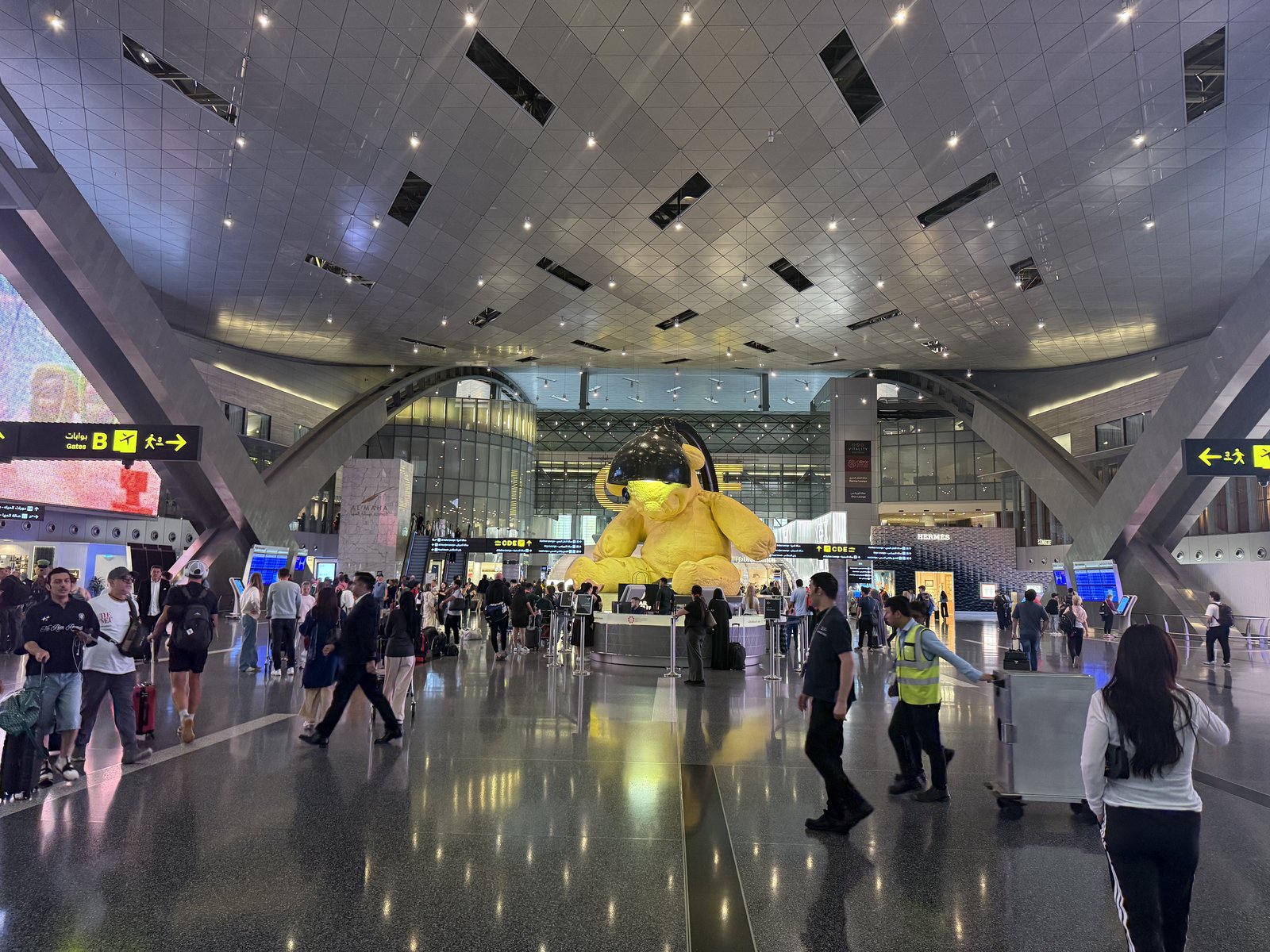
Just after midnight, Doha time, we were eating KFC. After everything we had eaten in the past few weeks, our first meal in Doha was fried chicken and Pepsi. Then it was time to find a quiet place to wait out the layover, past the giant yellow teddy bear in the middle of the terminal. That is Lamp Bear, by the Swiss artist Urs Fischer, about 23 feet tall and cast in bronze. It sold at Christie's in New York in 2011 for about $6.8 million, reportedly to a member of the Qatari royal family, and it was in place before Hamad International opened in April of 2014. It is hard to miss. That is probably the point.
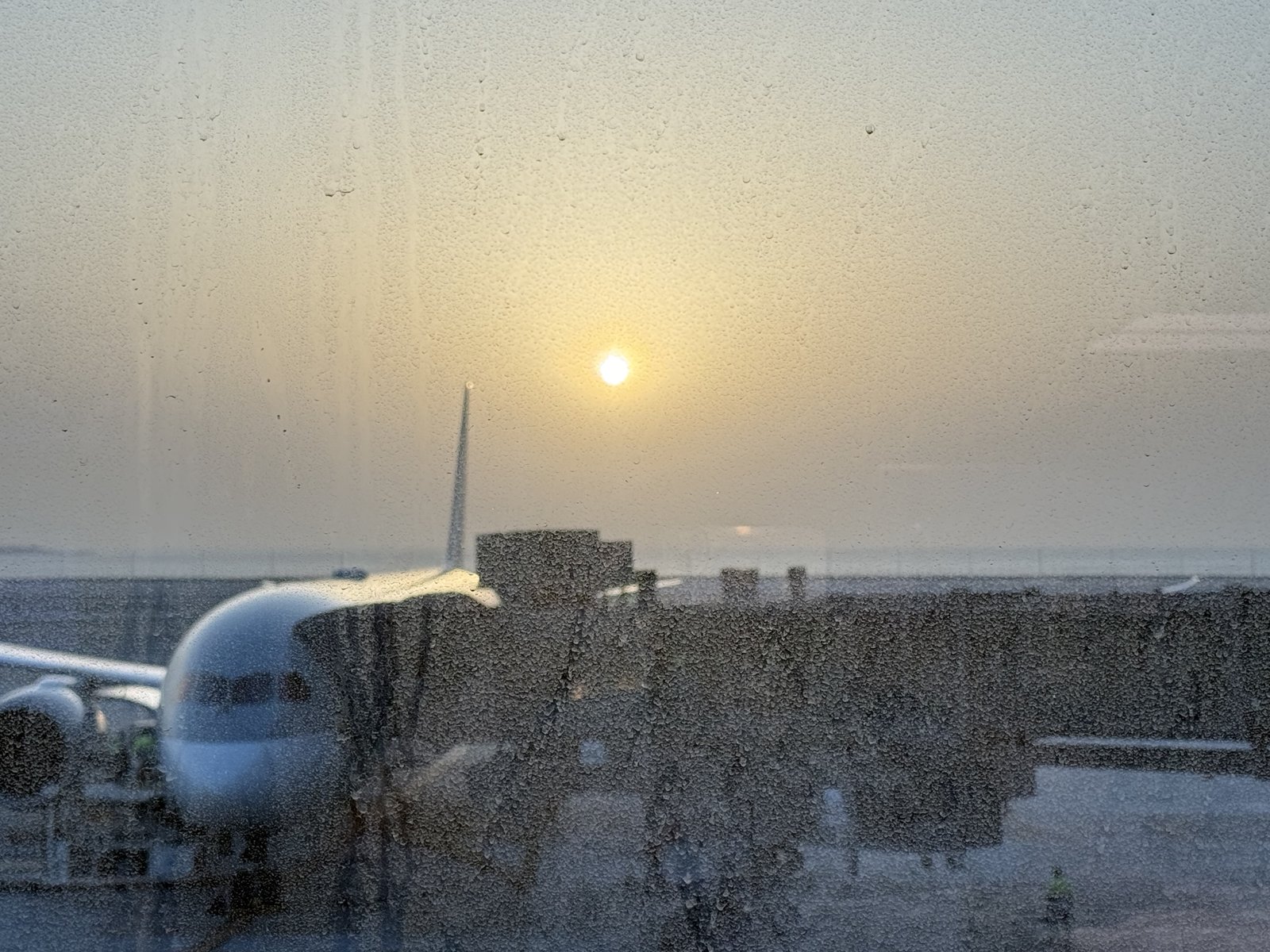
At half past four in the morning my phone said it was 92 degrees outside, with a high of 107 on the way. The sun came up through the haze over the plane at our gate a little later.
An Anniversary in Transit
So there I sat, awake, in transit in Doha, twelve hours into a thirty-hour slog of a journey home, tucked into a quiet corner of Hamad International and watching over my sleeping brood. Diem's and my anniversary was approaching. I couldn't help but get reflective. Another year. Another adventure.
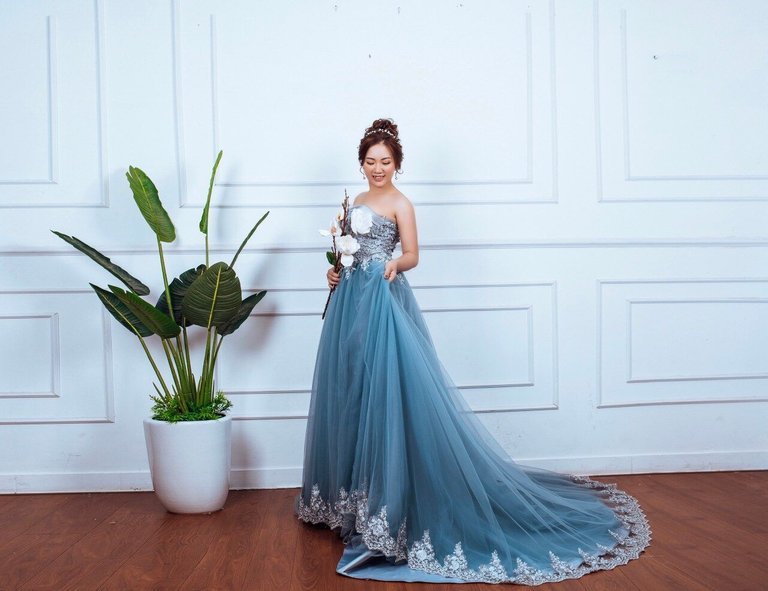
I thought back to our wedding in Da Nang, how unconventional it was by Western standards, and how perfectly Vietnamese it felt. A few days before the ceremony we went to one of the many bridal shops in the city, on a street in Bình Thuận lined with bridal and wedding shops. For a reasonable fee, Diem got a full day of pampering. Hair, makeup, and as many dresses as she wanted. It was her day. No one here buys a wedding dress. Why would they? You wear it once, maybe twice, and then it takes up valuable space. In Vietnam nearly everything is rented, dresses, toys, even the electric Barbie cars. Pragmatism, in its purest form.
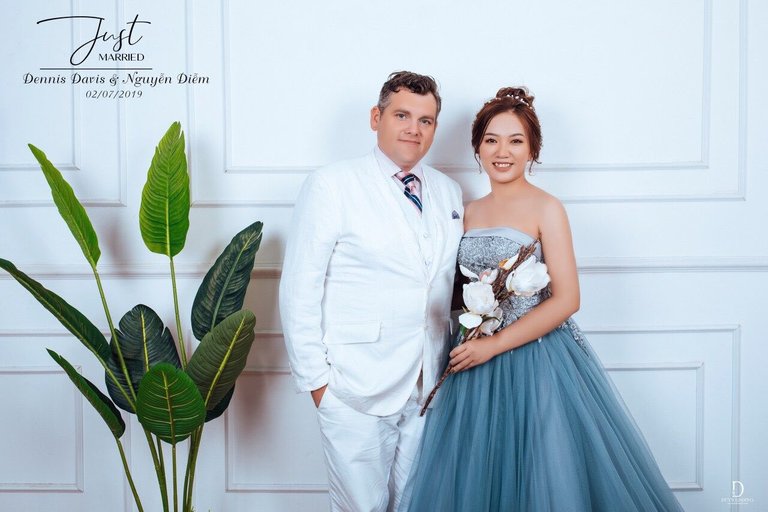
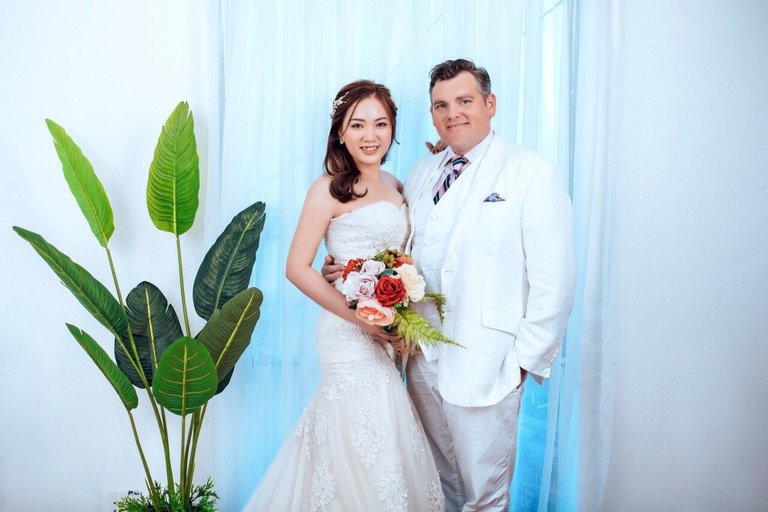
I was offered the same access to their suits, only none of them came close to fitting. I had packed a linen three-piece from home just in case, which is why I am wearing the same thing in every photo. It became a running joke with the photographer and the staff, who were thankfully good-humored and very good at what they do.
The day before the wedding, we went before the local magistrate, answered a few questions, and signed a large handwritten ledger. That was our legal wedding. Just the two of us, two government officials, and a red stamp.
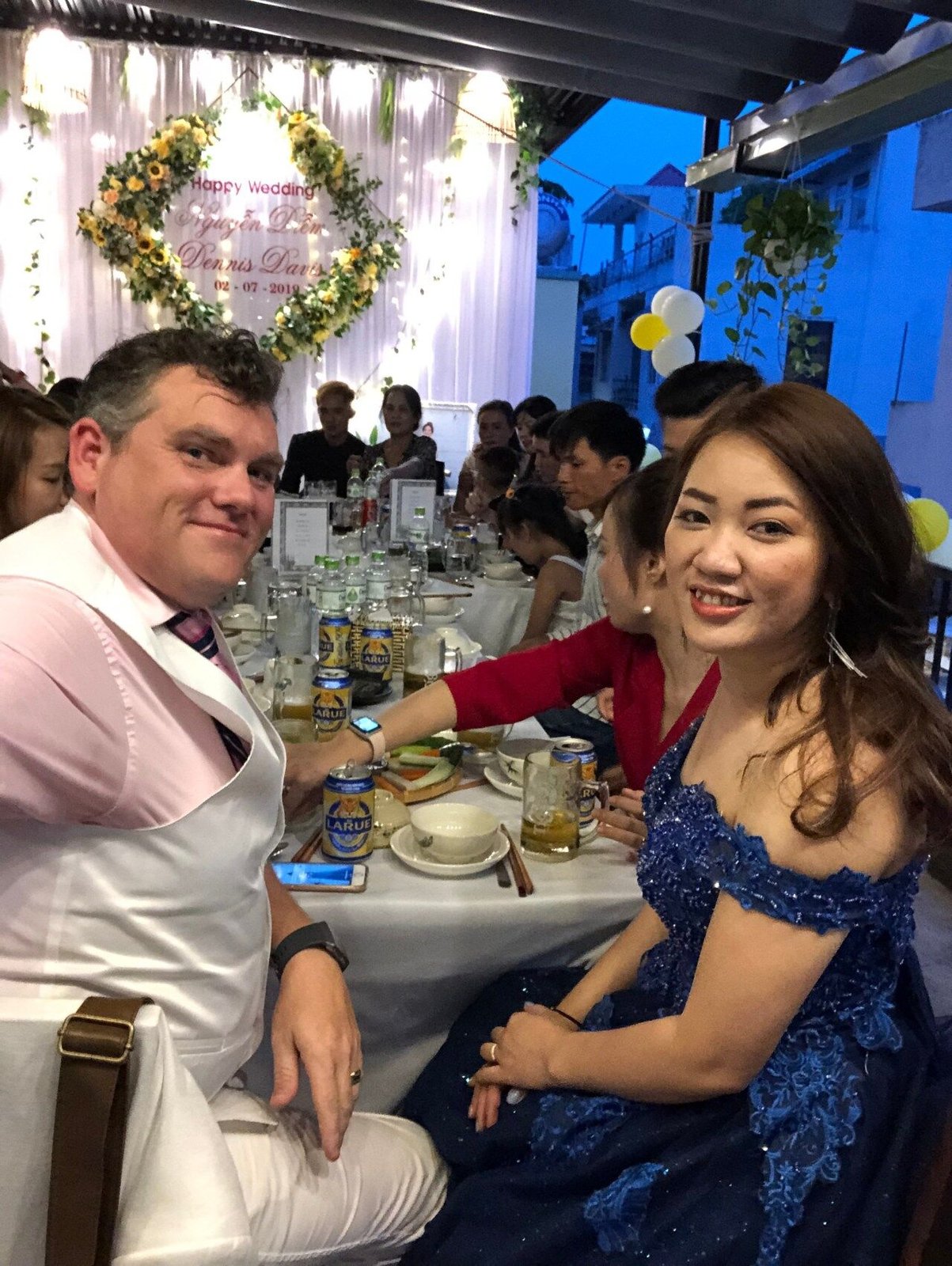
The next night, July 2, we held the reception on the top floor of a restaurant called Đổng Xanh. Friends and family gathered. Diem climbed the stairs to meet me in a beautiful blue evening gown. We said our vows, hers in Vietnamese and mine in English, while a translator bridged the gap for our guests. We toasted with glass mugs of beer on ice and sat down to a seven-course feast as husband and wife.
The following morning the bureaucratic machine kicked back in. We needed to pick up our marriage certificate, but the photos I had brought from Walgreens did not meet their standards, so off we went to a local photographer. Then we were told my U.S. medical screening wasn't valid either. I needed one from a local doctor. I'm sure the local doctor was a relative of the magistrate. Endless wheels to grease.
What followed was a very Vietnamese kind of day. Sweltering heat, long waits, detour after detour. Our taxi driver, whom Diem had hired for the day, stayed with us the whole time. After the doctor's visit, Diem picked up food from a street vendor to share. We drove around looking for something and found it at a modest home, where a woman and two children stood in the doorway. A few words were exchanged, and suddenly we were invited in to rest and eat. They didn't know us. We didn't know them. We offered food, and they offered hospitality. That's just how things work here.
We drove around looking for something and found it at a modest home, where a woman and two children stood in the doorway.
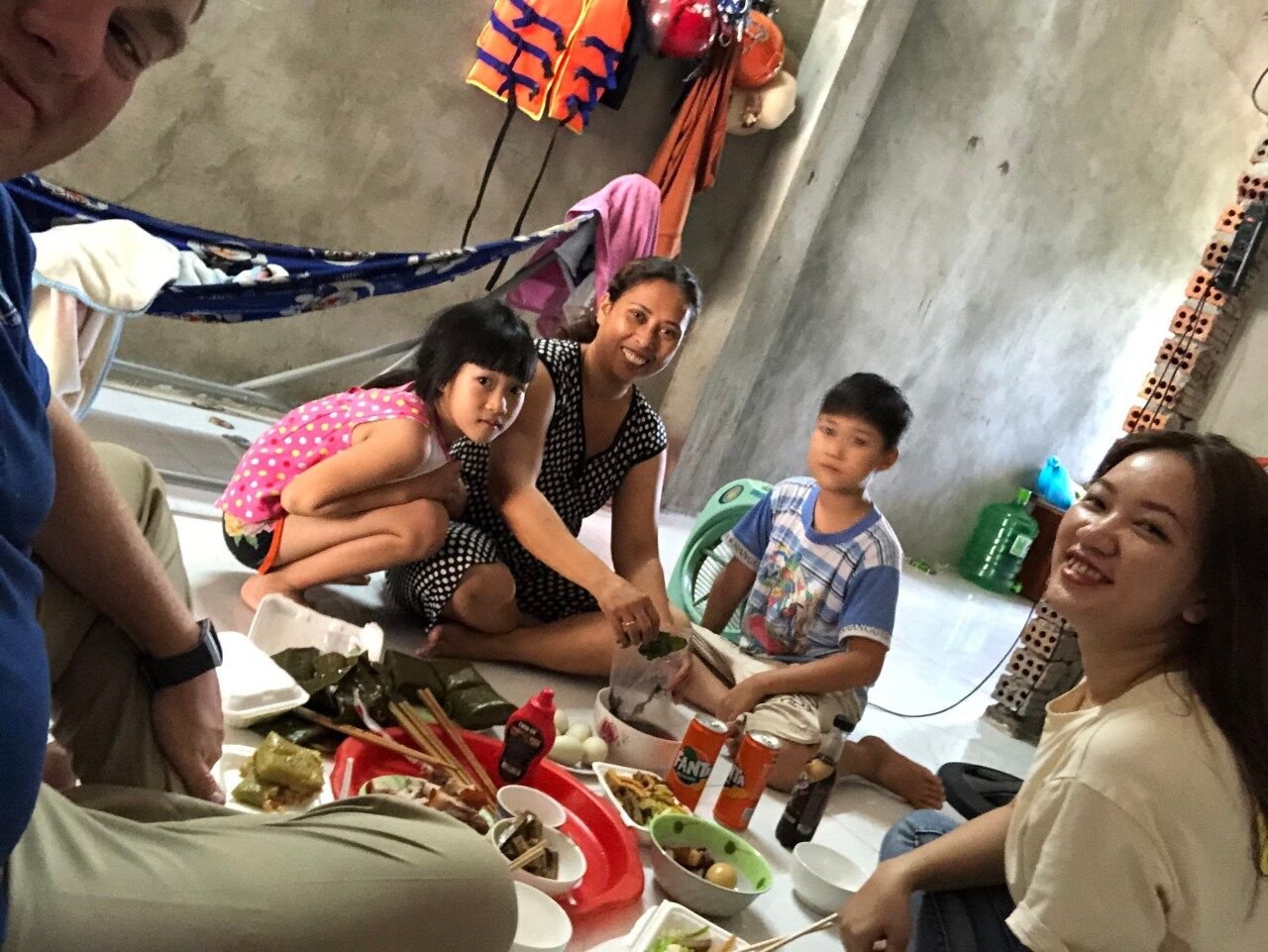
I napped on a pallet the oldest son laid out for me. Full belly, tropical heat, the fan turning overhead, Diem beside me. It was one of those small moments where everything feels clear.
Later that afternoon, after hours more of waiting and paperwork, we were told the certificate would not be ready until well after my scheduled flight back to the States. I had a choice to make. Really, there was no choice. I stayed. Love may not need a stamp, but sometimes, in this world, it requires one.
Home
The last leg, Qatar Airways 755, was scheduled out of Doha at 7:55 in the morning, bound for Atlanta. Somewhere along the way the in-flight Wi-Fi page posted the lunch menu: wok-fried chicken with hoisin sauce, beef meatballs with onion gravy, kadhai paneer, and Mississippi chocolate mud pie. A long way from a 25,000-dong bowl of bún chả cá.
Behind us were An Lão, Da Nang, Hội An and Saigon, more bowls of noodles than I could count, a new nephew called Kenny, and a family who came all the way into the terminal to see us off. Ahead was Atlanta.
As for that anniversary, I said it best from a quiet corner of Hamad International, with my brood asleep around me. Happy anniversary, Diem. Life has been the greatest of adventures since the day we met.
Previously: Saigon, One More Time
The whole series: Vietnam 2025
More from Vietnam: The Wedding Festivities, The Honeymoon and Dragon Diaries #20 - The Long Journey Home