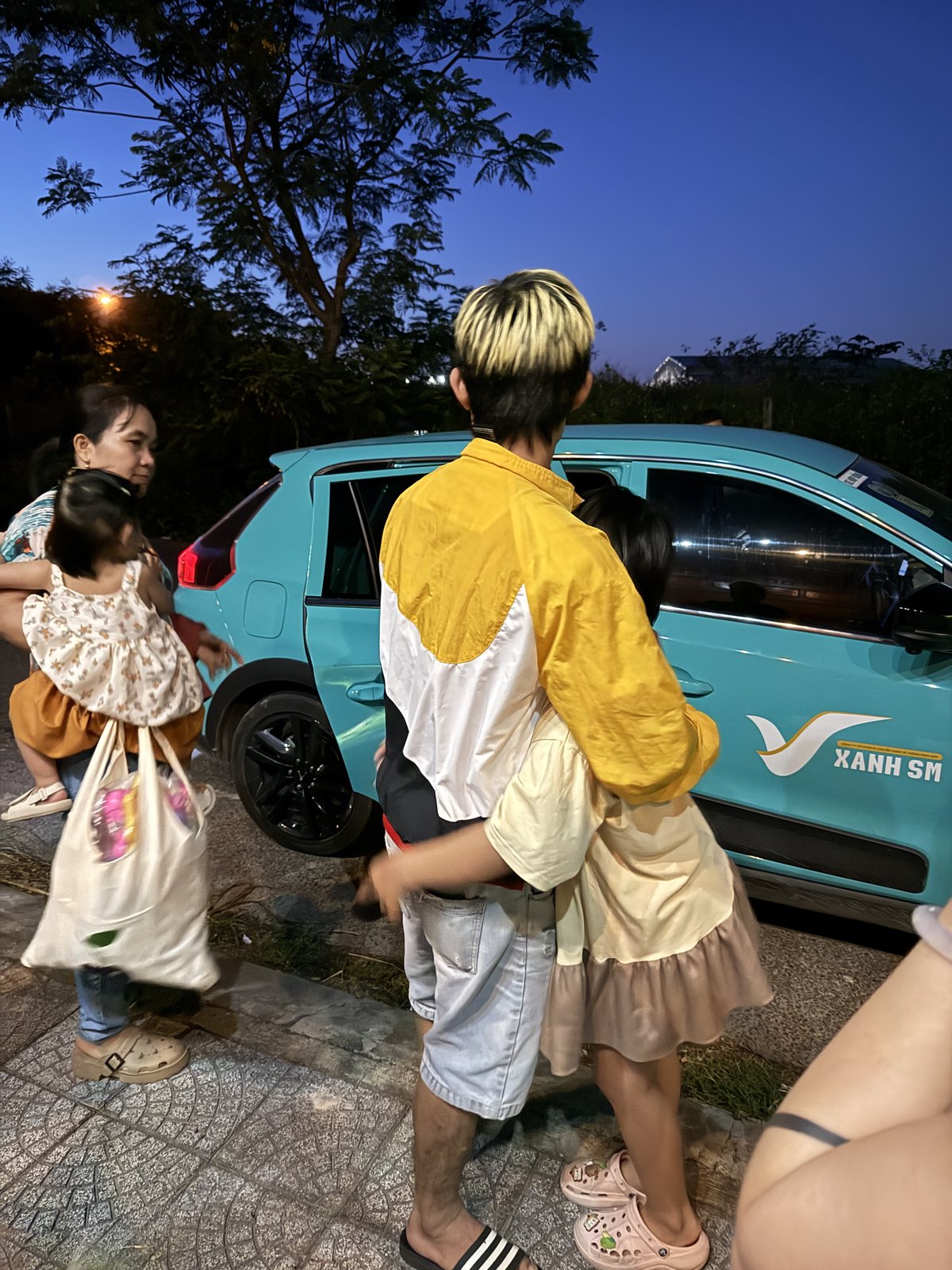
It was an early morning. The family was going home to An Lão, and at 4:30 am we were out on the sidewalk to see them off. The sky was still that deep dawn blue, the suitcases, boxes and bags were piled on the sidewalk, and a teal Xanh SM taxi stood at the curb with its doors open. Then they were gone.
We no longer needed the massive house on the river, so Diem, the girls and I would move to an apartment in our old neighborhood in An Thượng. It was only for one night. In the morning we would fly to Saigon to begin the arduous process of returning to the U.S.
But first, there was a mountain.
The Ocean Cloud Pass
The Hải Vân Pass. A divider of worlds. The de facto barrier separating North and South Vietnam, and a formidable hurdle to empires, peoples and cultures. In my experience it is even the natural line where the cooking changes. South of the pass the food is heavy with herbs, fish sauce and garlic. Somewhere beyond it, the cuisine begins to turn into the lighter cooking of the north, where fish sauce is often replaced by soy, the herbs are less prevalent, and black pepper takes the place of the chili.
That morning we made our way to the summit by car. Diem and I made the ride all the way across by motorbike on our honeymoon, but with the traffic increasing, and the size of the road not, we opted for a safer four-wheel approach. It was just as thrilling on four wheels as on two.
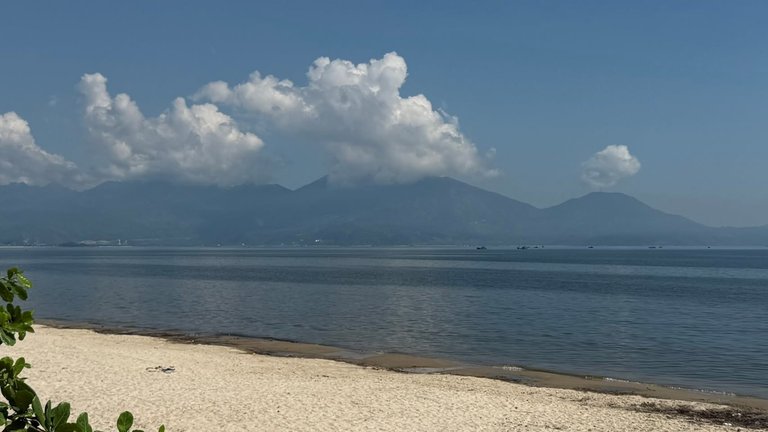
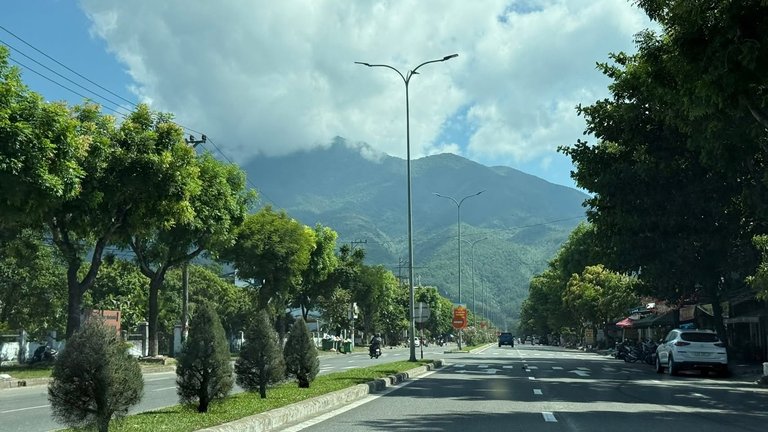
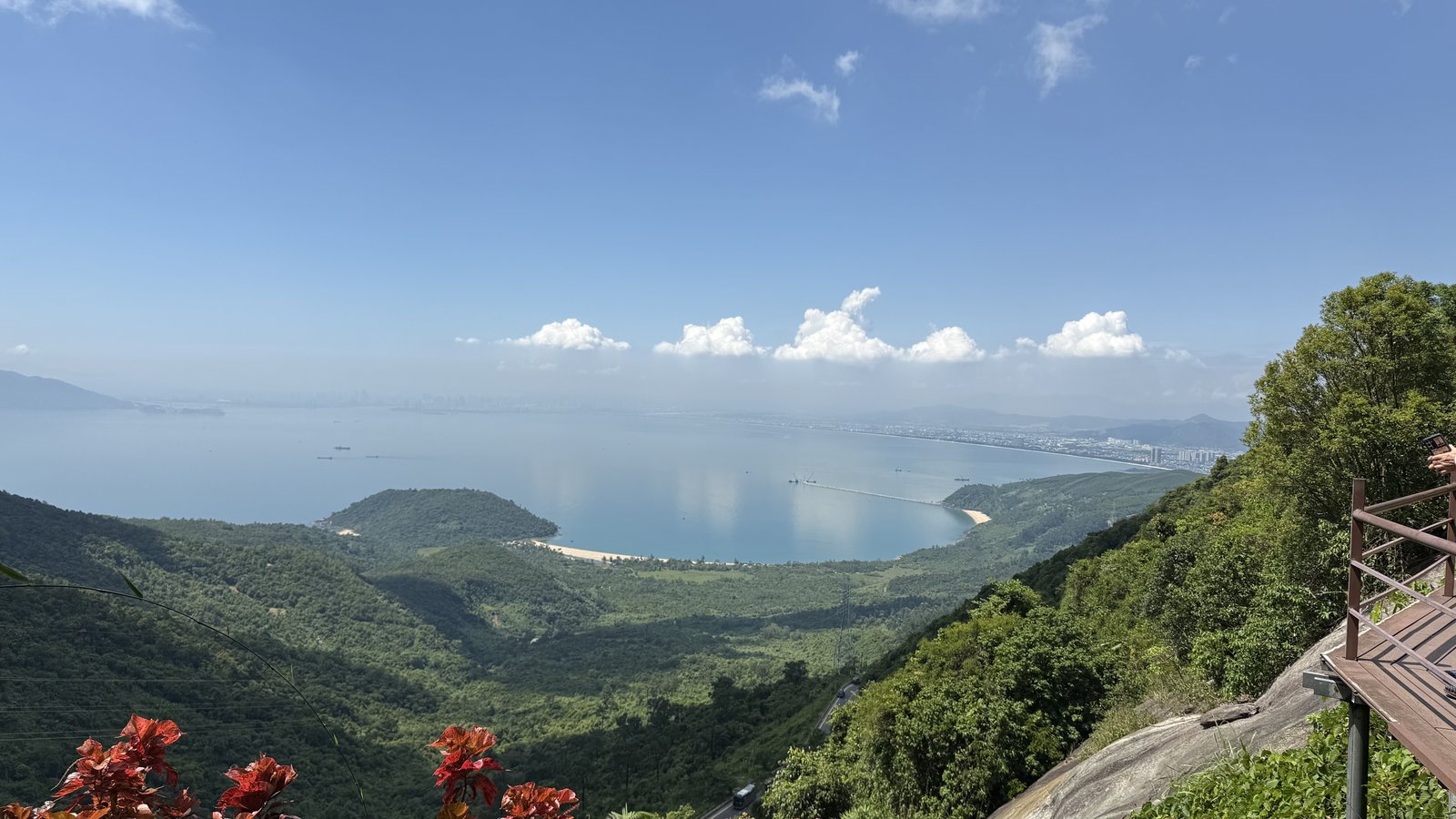
The road out of the city runs north along Da Nang Bay. The water was flat and calm, the sand empty, and across the bay the skyline of the city sat low under the mountains. Then the avenues lined with trees and red banners pointed straight at the range, and the mountains filled the windshield with their heads in the clouds. The pass gets more imposing the closer you get.
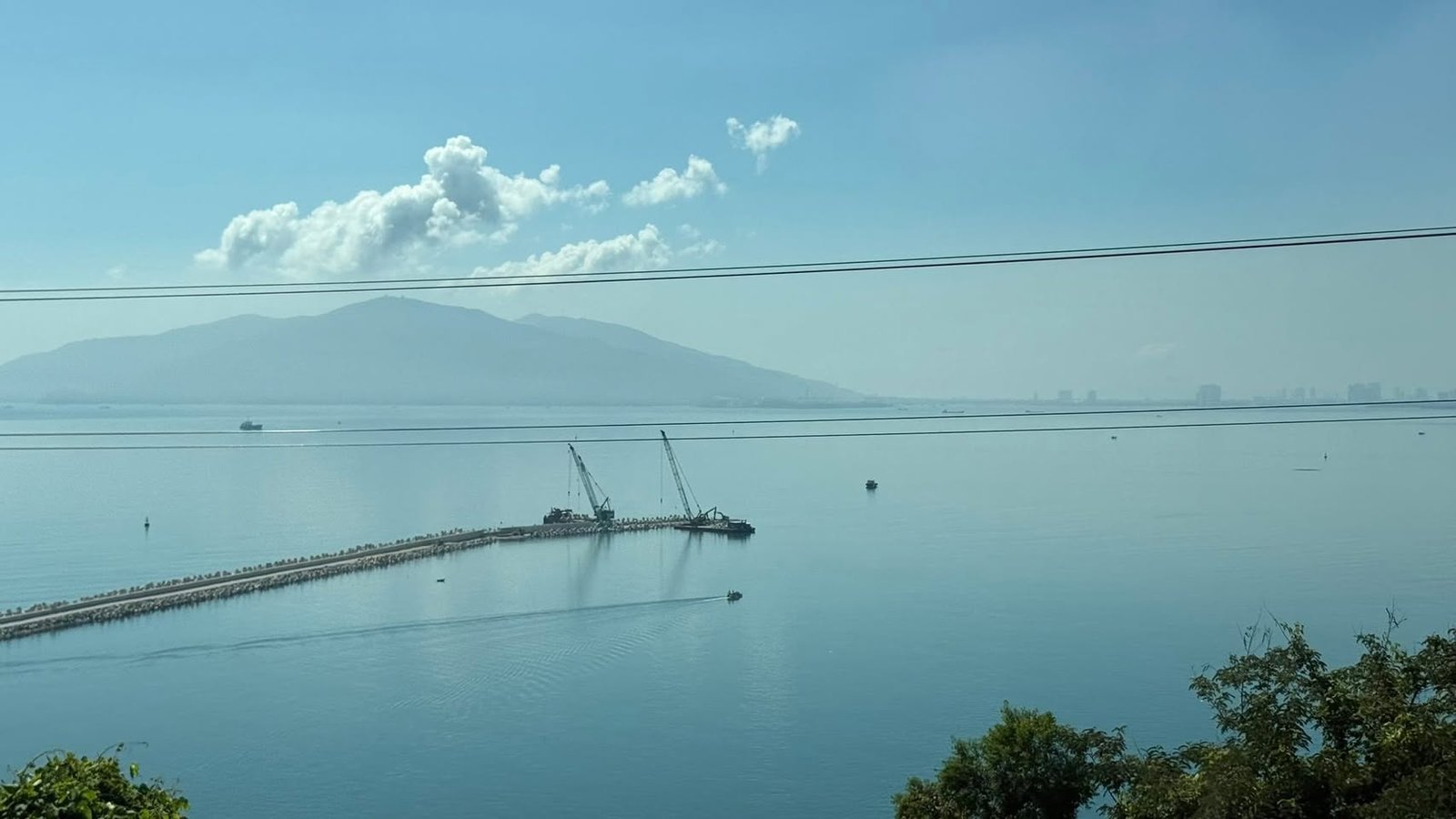
Out on the bay a long breakwater was reaching into the water, a construction barge working at its tip. Don't blink in Vietnam.
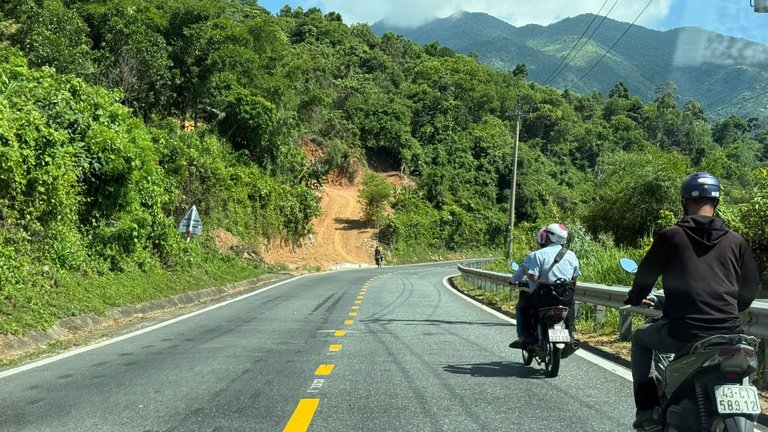
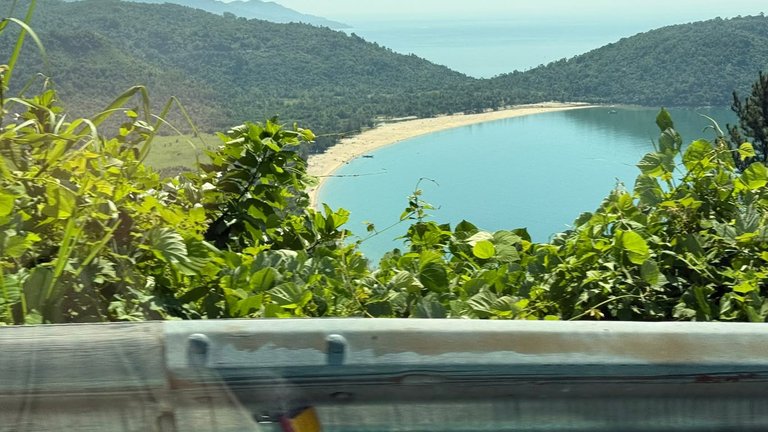
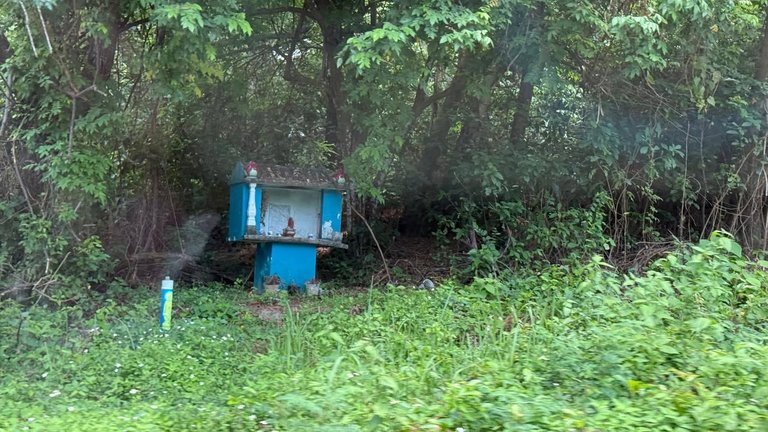
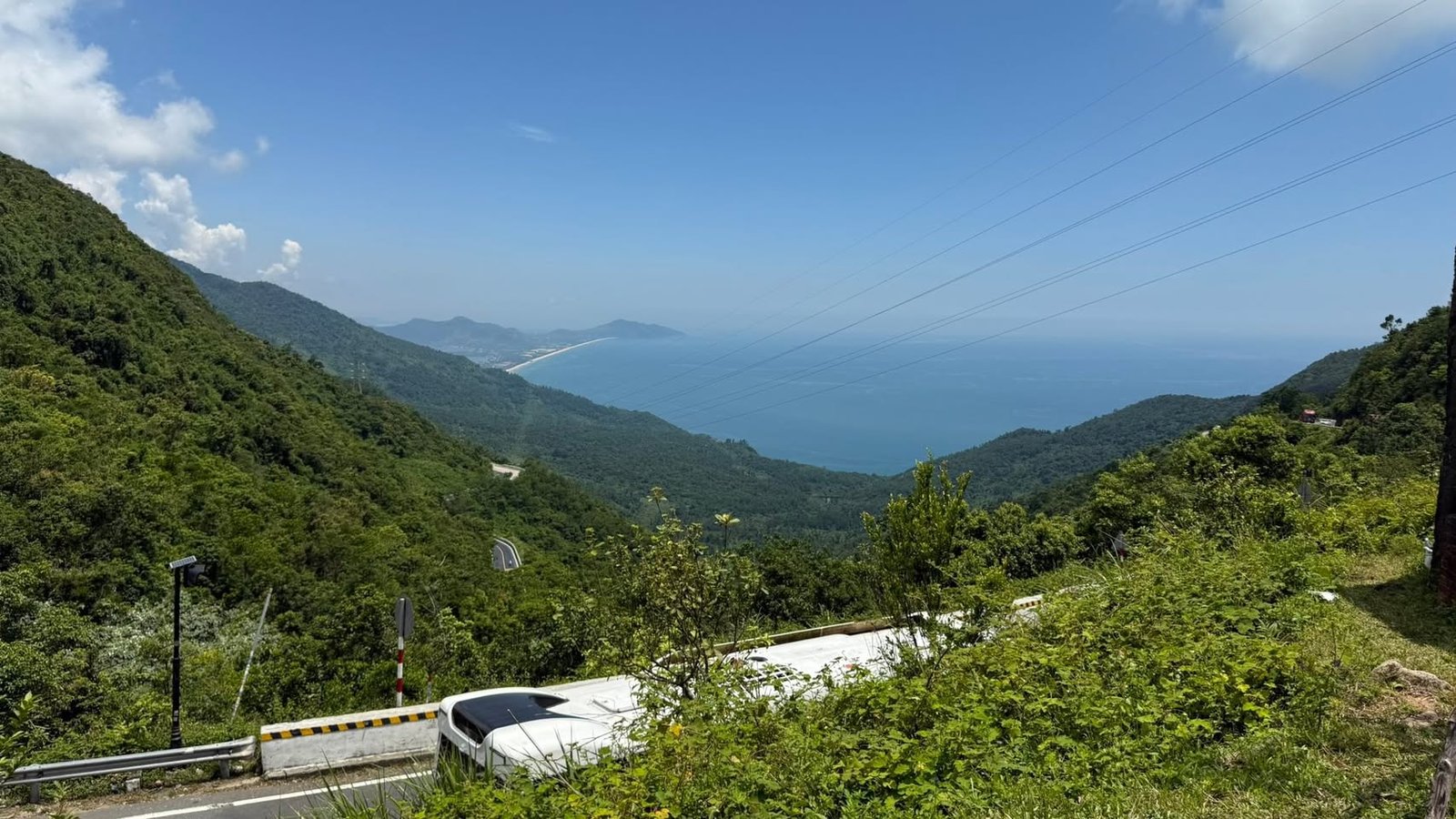
Then the road began to climb. One lane up and one lane down, switchback after switchback, with a guardrail and a long drop on one side. Motorbikes buzzed up the grade alongside us, which is how Diem and I did it the first time. Around every bend there was another view down to a cove of turquoise water and a curve of empty sand. And in the brush along the shoulder there were little shrines, painted blue, tucked into the green. One of countless random altars dotting the mountain pass.
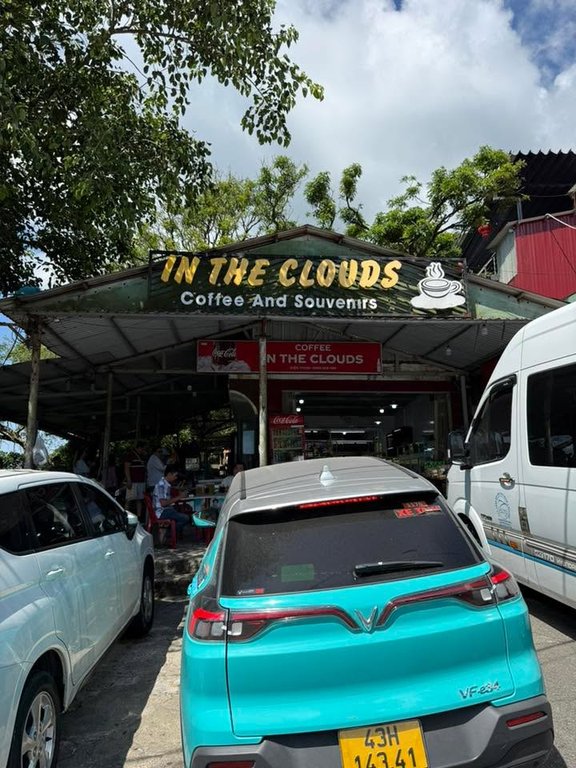
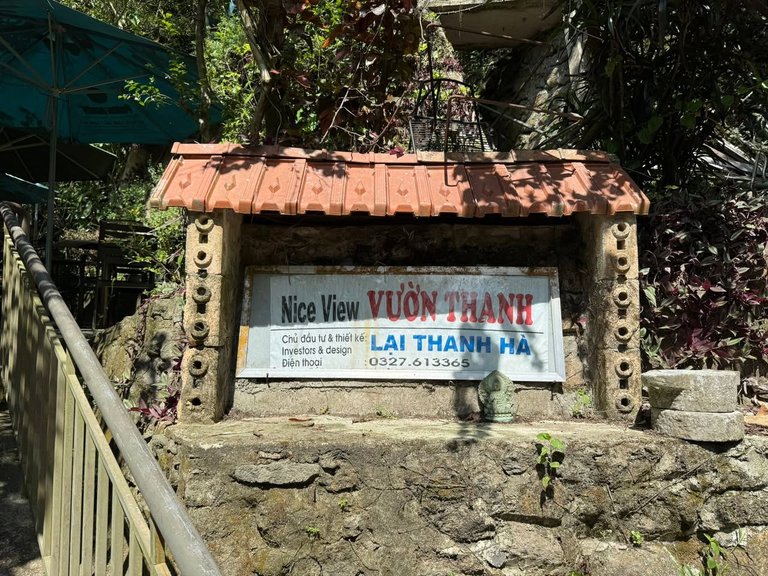
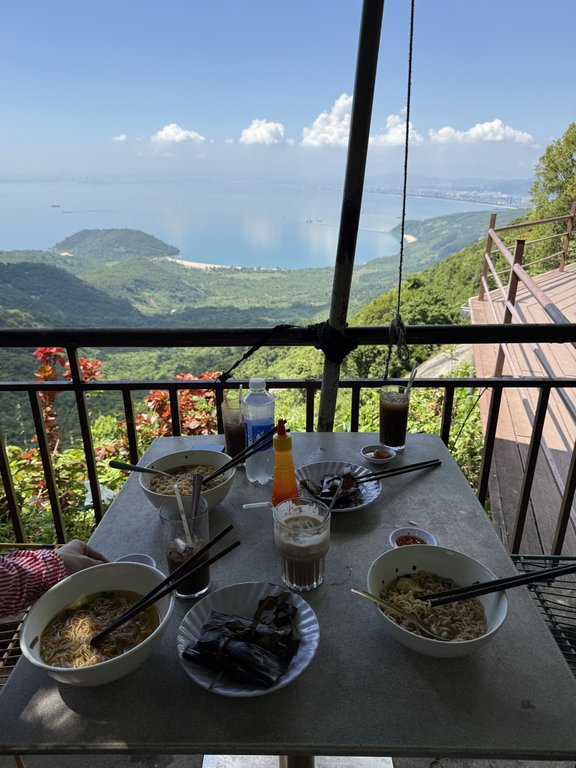
Before the summit we stopped where the cafés cling to the mountainside. One sign by the parking read In The Clouds, Coffee and Souvenirs. Another, under a little tile roof set into a stone wall, read Nice View, Vườn Thanh. Stone steps and narrow paths wound down through the potted plants and purple leaves to terraces hung out over the slope, with umbrellas and metal tables in the shade of the trees. Nice View was, if anything, an understatement.
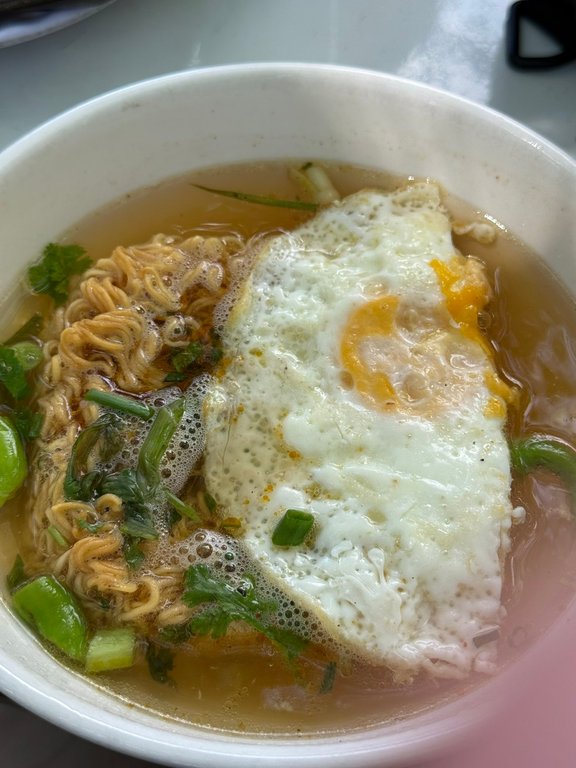
We enjoyed a coffee and noodles overlooking Da Nang Bay. Coffee in tall glasses, and a bowl of instant noodles with a fried egg laid over the top and a scatter of green onion. Below the balcony rail the red flowers spilled down the hill, and the bay went on and on, flat and blue, with the clouds sitting low on the water.
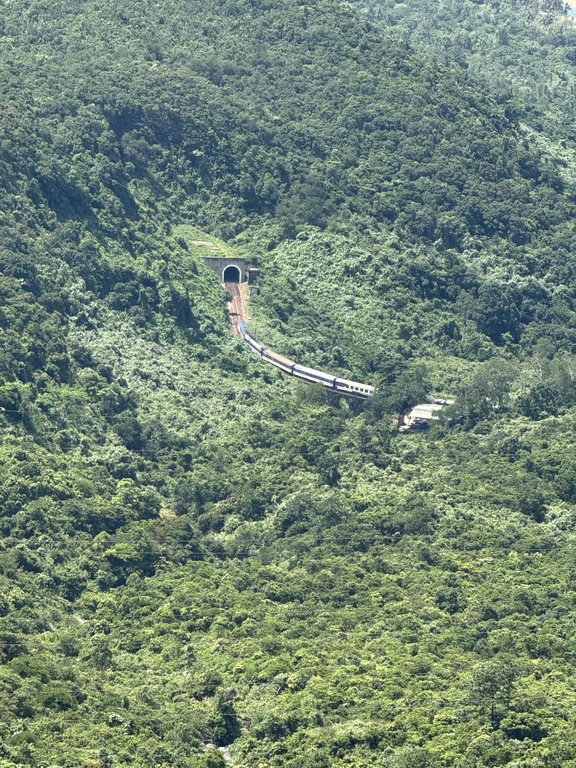
A wooden boardwalk ran along the hillside past the café. From there you could look almost straight down into the jungle, onto the mouth of a railway tunnel, and just then a train was coming out of it. That is the other way across the Hải Vân, the North-South railway that hugs the coast around the mountain. A few months before I wrote Da Nang - City of Bridges, Diem and I took the girls to Huế over the pass by rail. The train was slow and anything but nimble, and not much of it had been upgraded since the line reopened in 1976. I hung out the window for pictures, ducked a tunnel entrance, and took a jungle vine to the back of the head. As I wrote in The Reunification Express - A Ride Into History, "I could have been in 1900 or 2000."
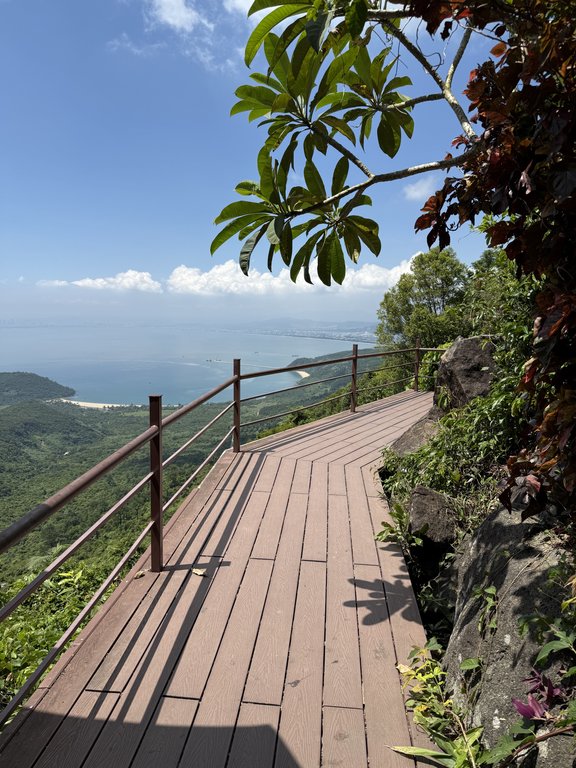
The Hải Vân is a spur of the Annamite range that runs all the way out into the sea and caps the northern end of Da Nang Bay. Its name, Đèo Hải Vân, means the Ocean Cloud Pass. As I put it in The Honeymoon, "it derives its name from the mist that the mountains pull from the sea in the early morning and evening." The road over the top runs about 20 kilometers and tops out at roughly 496 meters, a little over 1,600 feet. The summit is the line between Da Nang and the old imperial city of Huế. On our honeymoon we came back to Da Nang through the tunnel. The Hải Vân road tunnel opened on June 5, 2005, and at 6.28 kilometers it is still the longest road tunnel in Vietnam. It shortened the trip between Da Nang and Huế by 20 kilometers and saves somewhere between half an hour and an hour of switchbacks. A second tube was inaugurated beside it in 2021.
Hải Vân Quan
At the summit, the road levels out into a big paved lot lined with souvenir stalls and drink stands, and above it, on the green hillside, sits the old fort. I explored the ancient, refurbished fort, complete with French-era pillboxes, that has guarded the pass for two centuries.
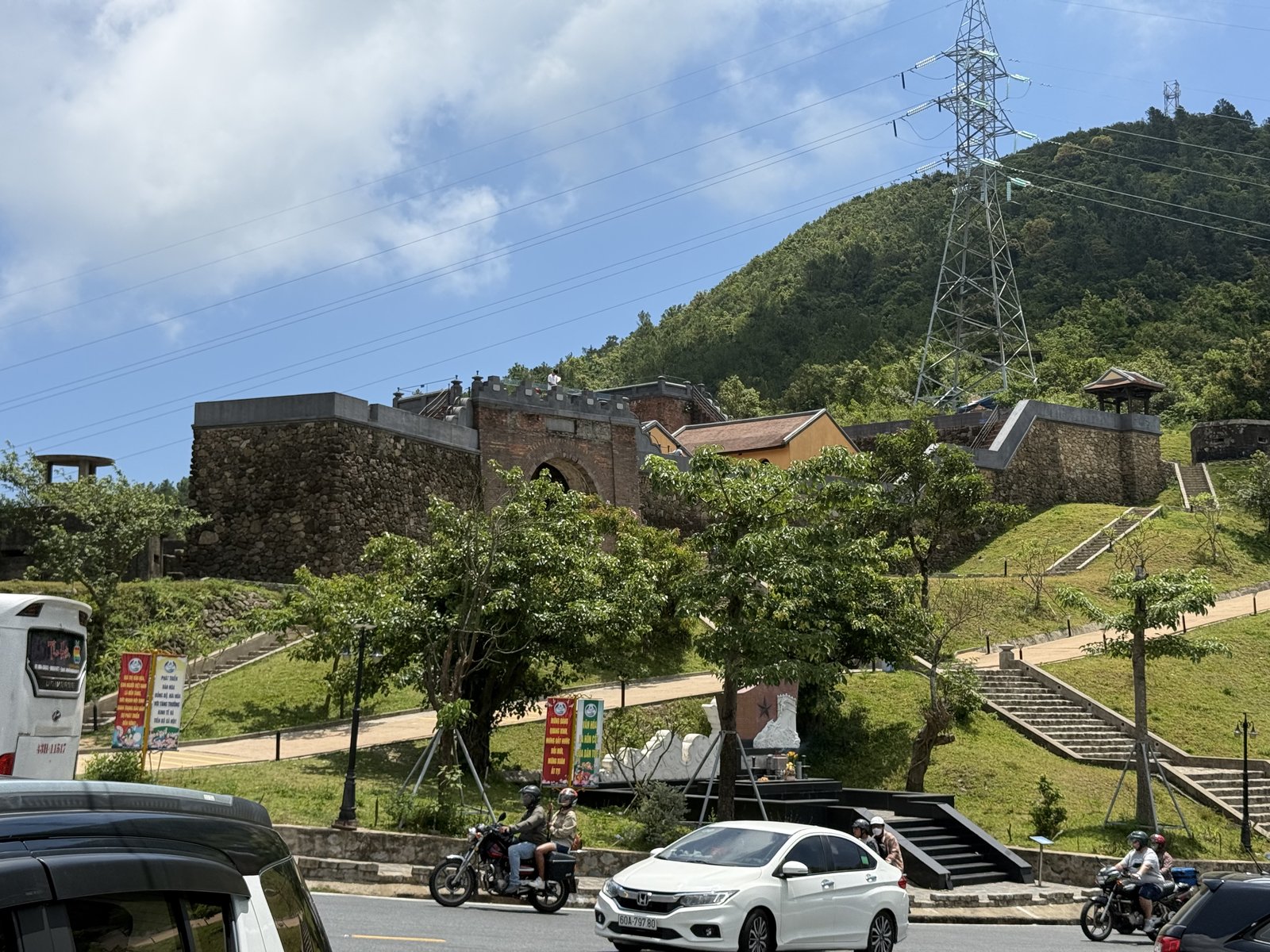
It is called Hải Vân Quan, the Hải Vân Gate. The emperor Minh Mạng of the Nguyễn dynasty had it built in 1826, on the site of an older frontier post, at the most exposed point on the only road between the north and the south. The main gate is a brick arch in a wall of fitted stone, with a crenellated top. The gate facing Huế carries the name Hải Vân Quan in Chinese characters, and by most accounts the gate facing Da Nang reads Thiên Hạ Đệ Nhất Hùng Quan, roughly the most formidable pass under heaven. A smaller brick gatehouse stood at the top of a few steps, its wooden doors closed. Beyond the walls sat the round concrete pillboxes, little drums of gray concrete with a lookout cap on top, left over from the wars against the French and then the Americans. Somebody had been watching this road from this hill for a very long time.
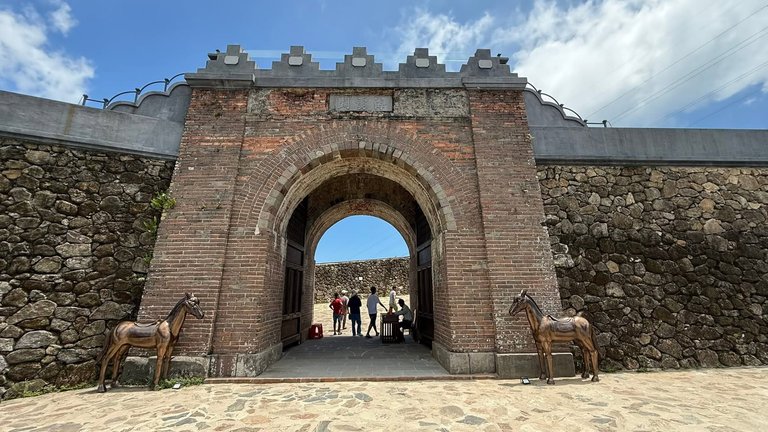
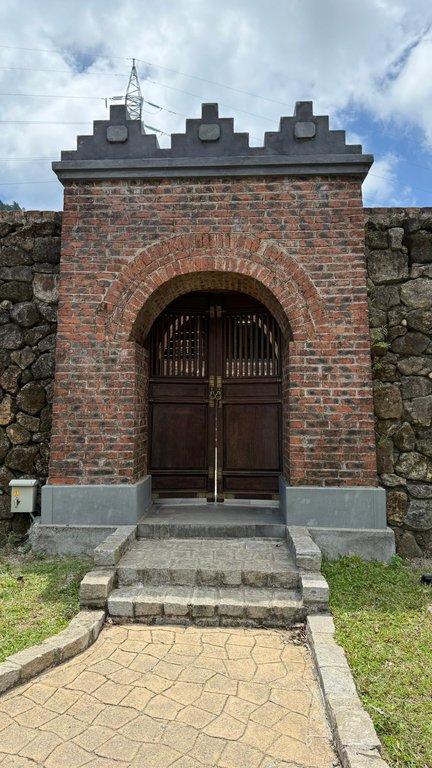
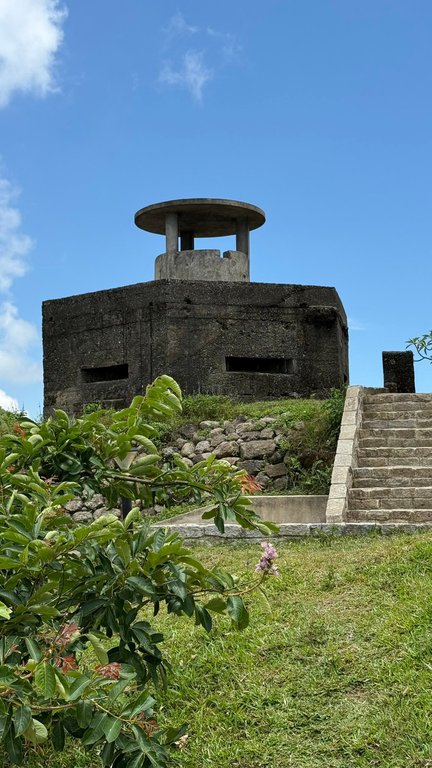
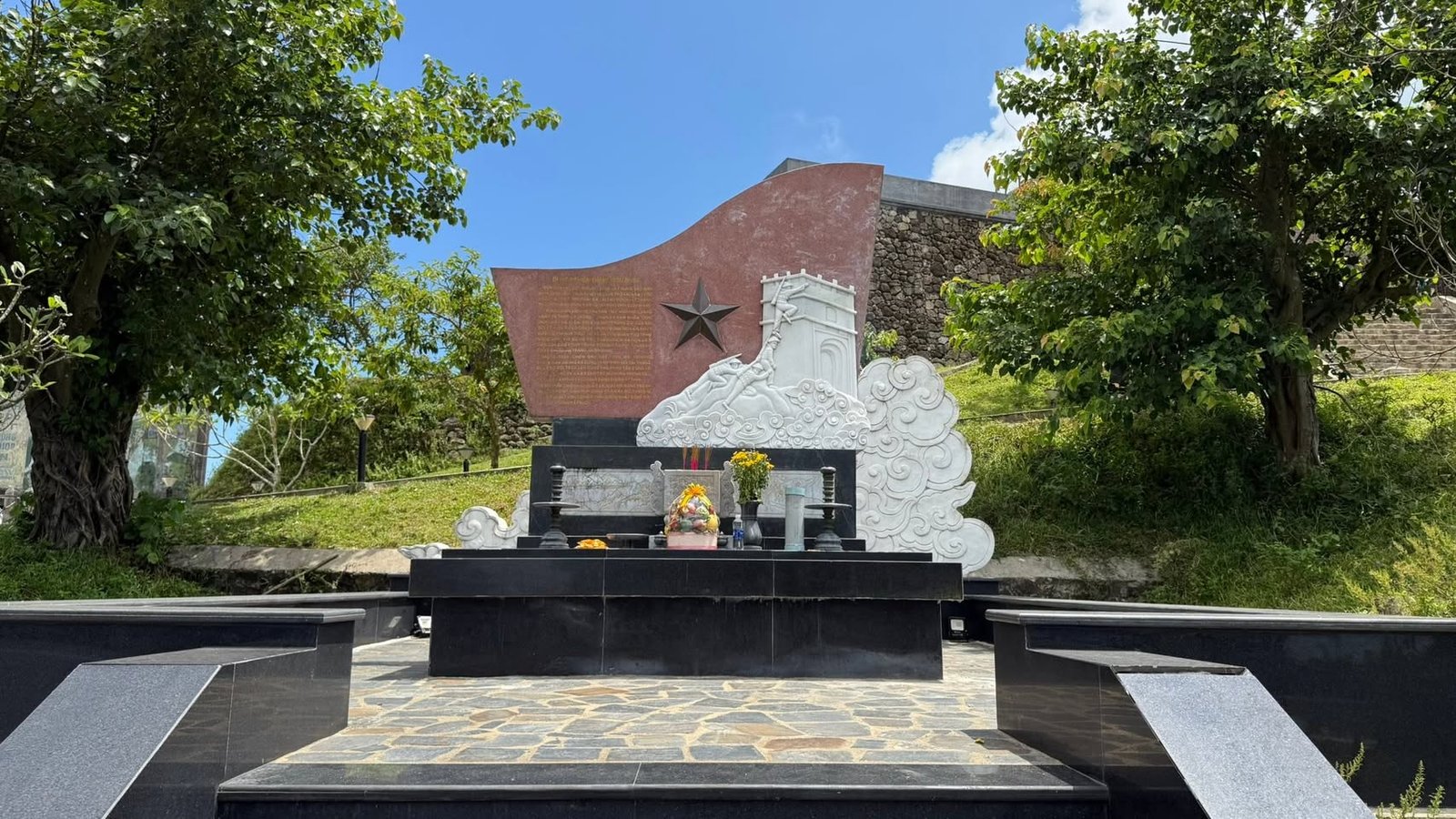
Two centuries of weather and war had not been kind to it. The fort was recognized as a national relic in 2017, and it is the only one in Vietnam looked after jointly by two localities, Huế on one side and Da Nang on the other. The two split a bill of about 42 billion dong to restore it, the main gate and the stone walls were rebuilt using the traces left from Minh Mạng's day, and after more than two years closed it reopened to visitors on August 1, 2024. The pillboxes were left right where they were. On a terrace at the fort stood a memorial, a red star on a dark red monument over a black stone altar, with flowers and offerings set out on it.
From the gate you can see both worlds. South, the way we came, the green slopes fall away to Da Nang Bay. North, the mountain drops down toward Lăng Cô and the long beaches on the Huế side. It's just an impressive, imposing and iconic symbol of Vietnam, both past and present. I said so years ago, and I'll say it again.
Thai Market
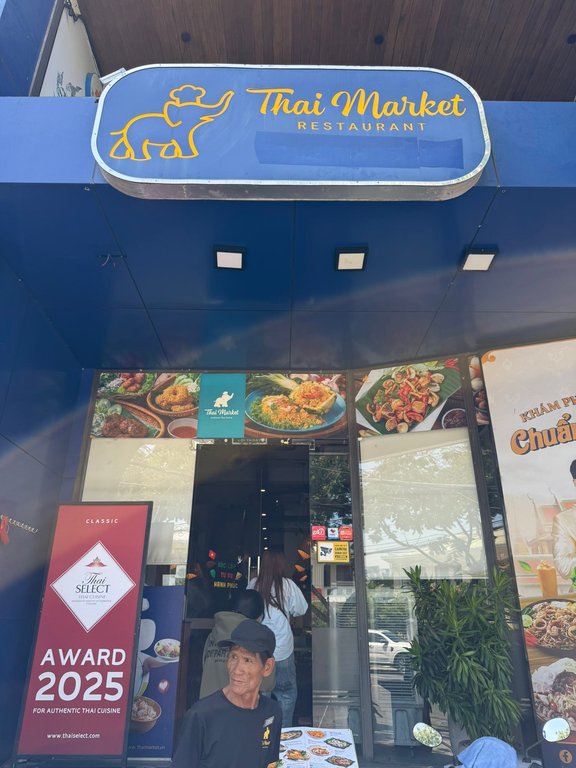
For lunch we again joined some of Diem's friends. We visited an old favorite in An Thượng that I was happy to see still open, Thai Market. Not at all surprised, as it was always the best Thai food I've had outside of Thailand, and this visit was no exception. A red banner by the door read Thai SELECT, Award 2025, for authentic Thai cuisine. I could have told them that.
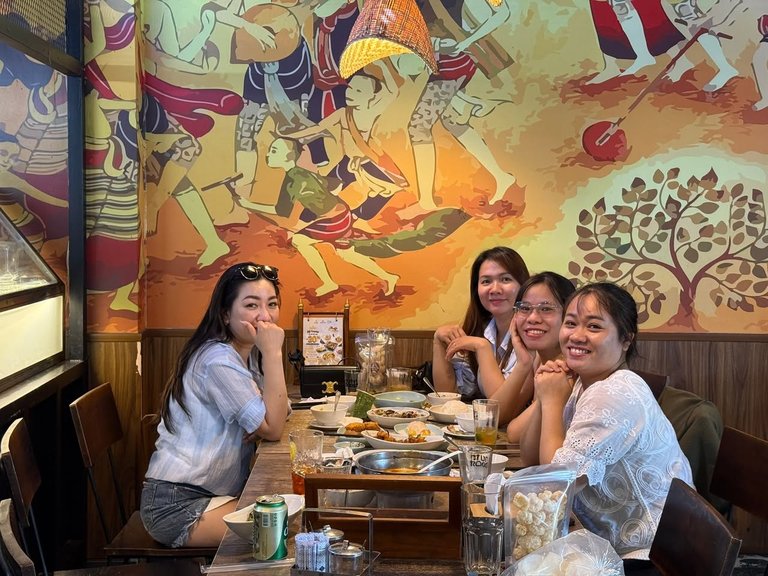
I'm going to say something possibly controversial here. Thai food in the U.S. sucks. There, I've said it. It is far too sweet and mostly smothered in thickened sauces. This is what it is supposed to be.
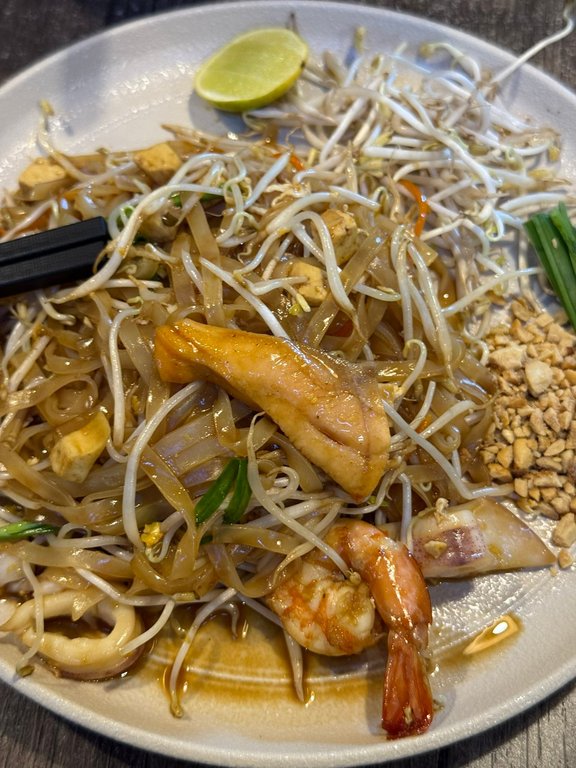
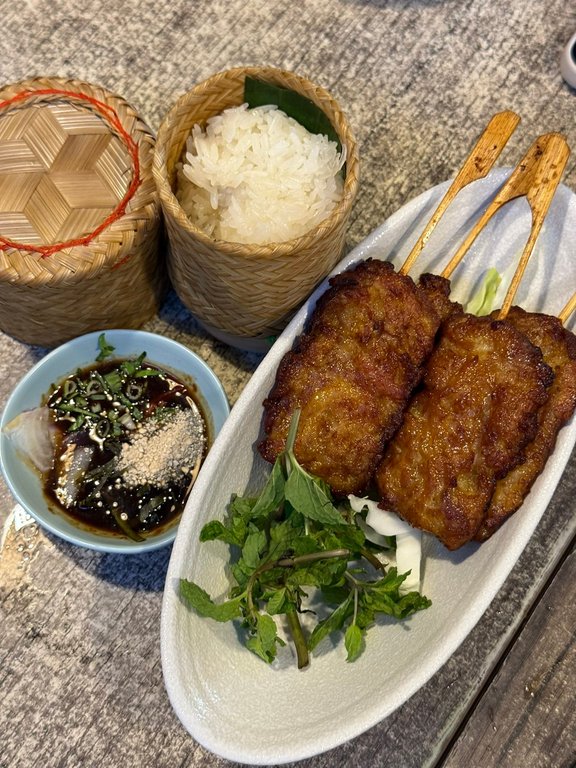
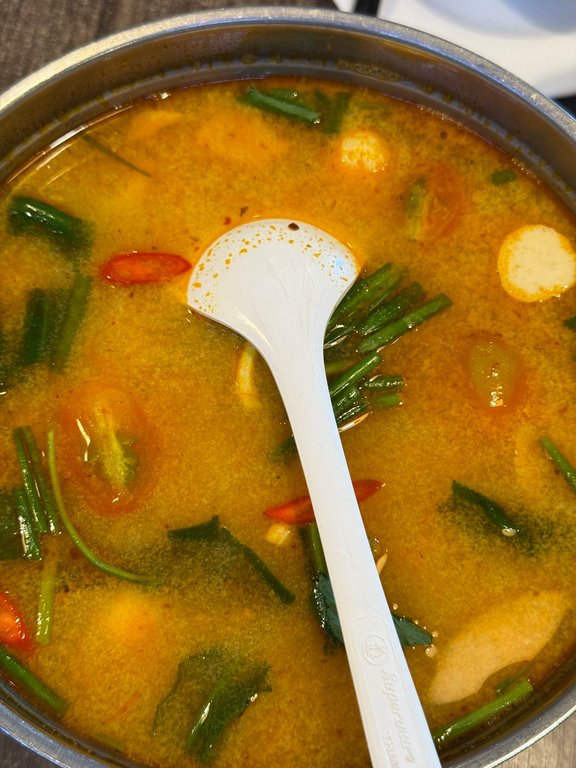
We started with a combo pad thai with squid, shrimp and salmon, the noodles tangled with bean sprouts, crushed peanuts on the side and a wedge of lime. Grilled chopped pork skewers came with sticky rice in little bamboo baskets and a delicious tamarind dipping sauce. Then the tom yum, the hot and sour soup of lemongrass, lime leaf, galangal and chili, served here in the creamy orange style in a pot with a ladle.
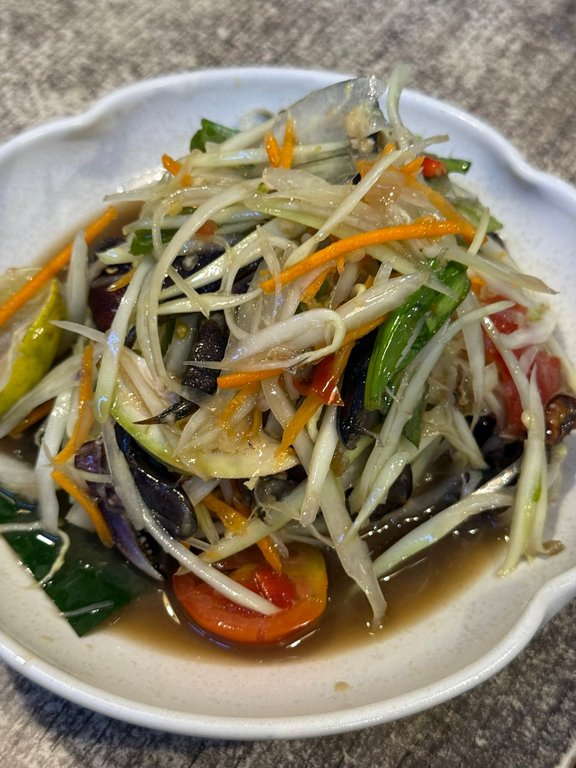
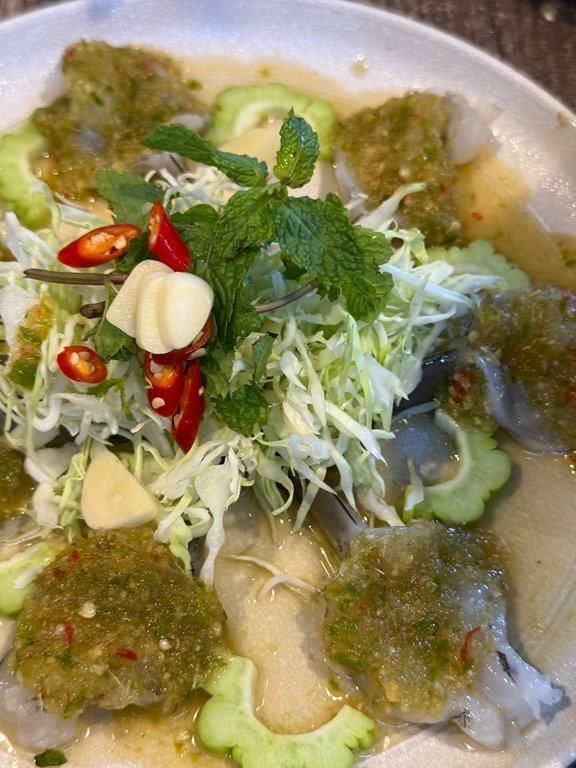
Next, raw crab and green papaya salad, som tam pu to the Thais, one of mine and Diem's favorites. The papaya is shredded and pounded with long beans, tomato and carrot, and the crab is brined, not cooked. Then raw shrimp with a green chili sauce and a mint cabbage salad. The shrimp were laid out on slices of bitter melon, each one topped with the green sauce, a slice of raw garlic and a little chili, with mint and shredded cabbage piled in the middle.
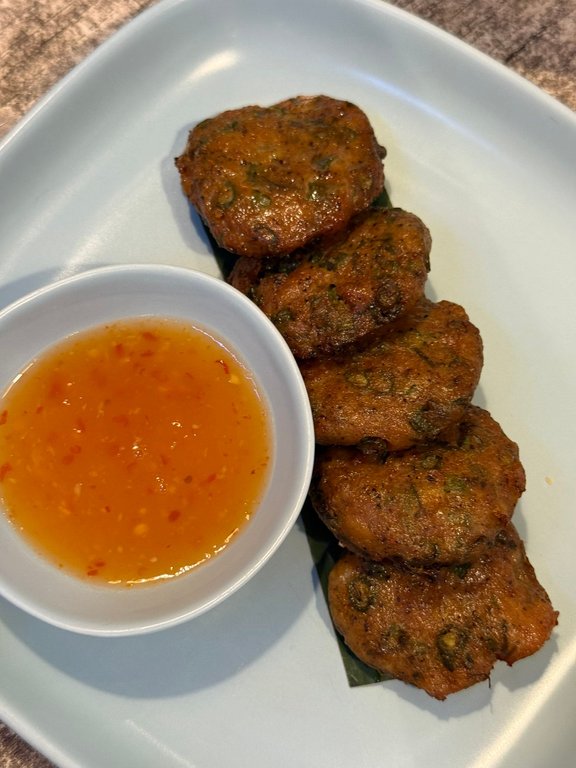
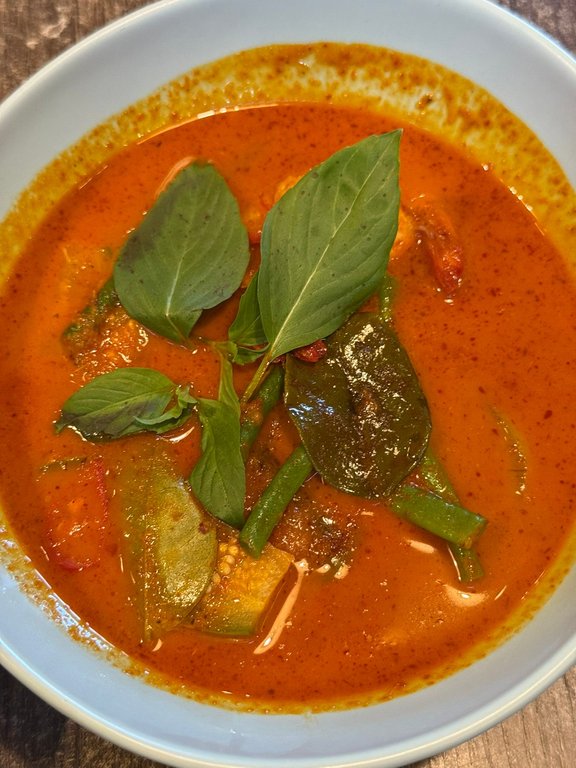
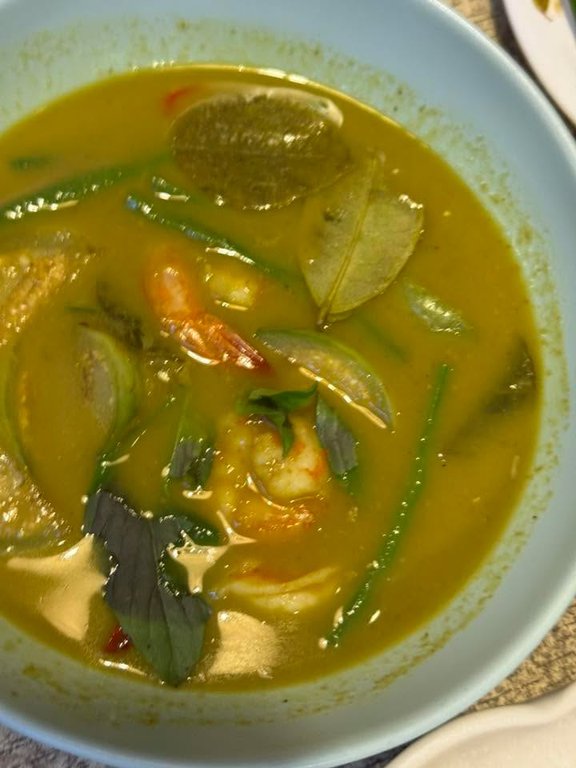
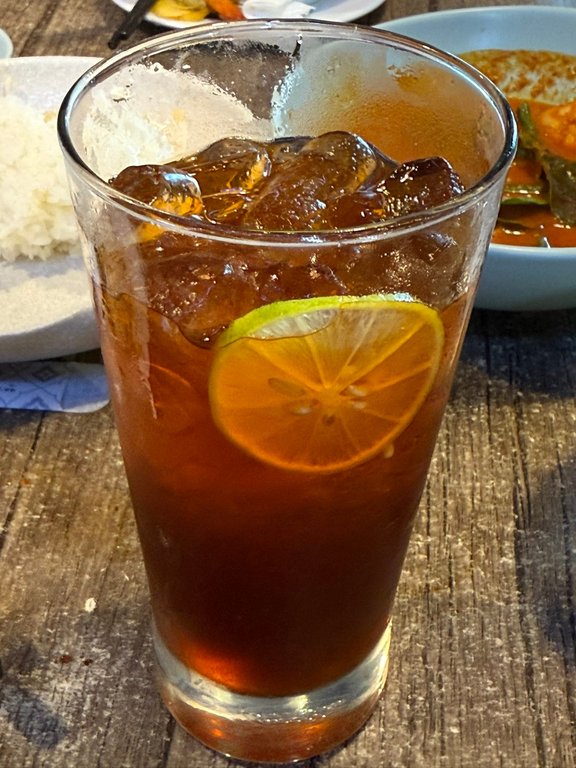
Fried pork cakes with lemongrass and chive, with sweet chili sauce. Panko-fried taro cakes. Panko-fried tofu. A shrimp and Thai eggplant red curry, and a shrimp and green bean green curry, both thick with basil. Tempura-fried garlic and pork cartilage. And to wash it all down, red Thai tea with lime.
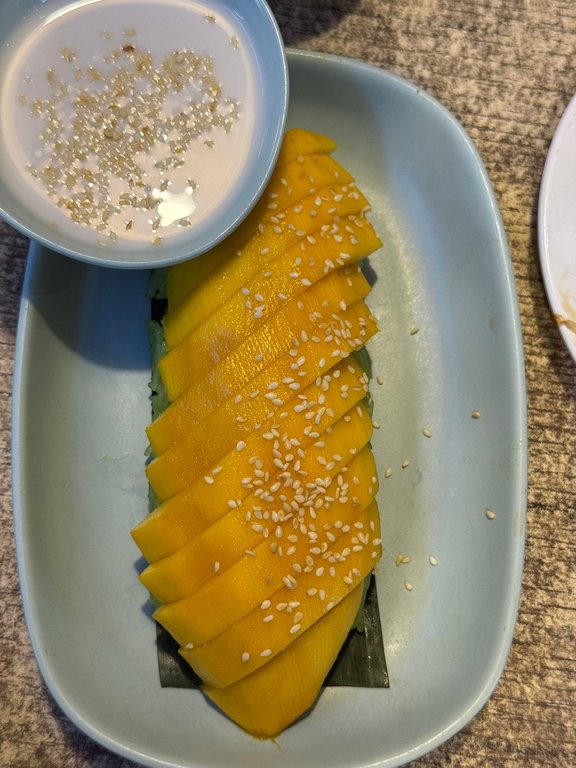
We finished off with a wonderfully fresh mango and sticky rice with coconut cream, khao niao mamuang, the sliced mango fanned out on a leaf and dusted with toasted sesame. In Thailand it is eaten mostly in April and May, at the peak of mango season.
Done! Total price, $61.20.
Eighty-Nine Dollars a Night
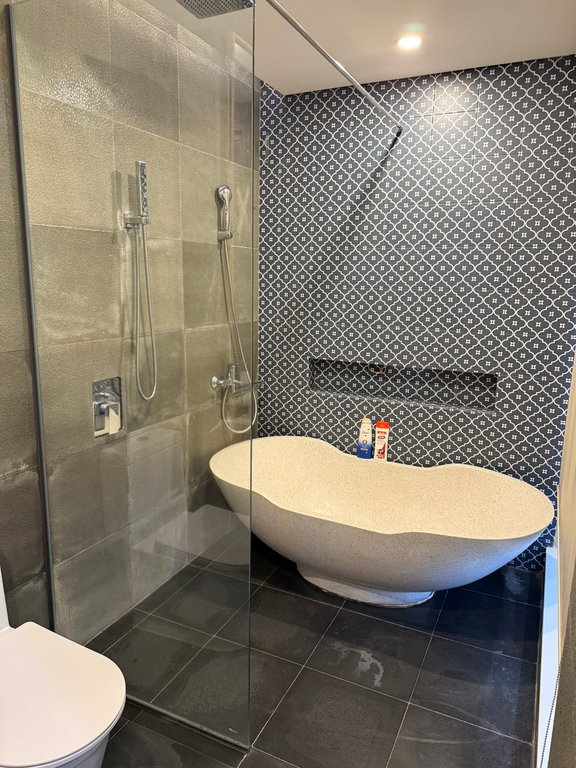
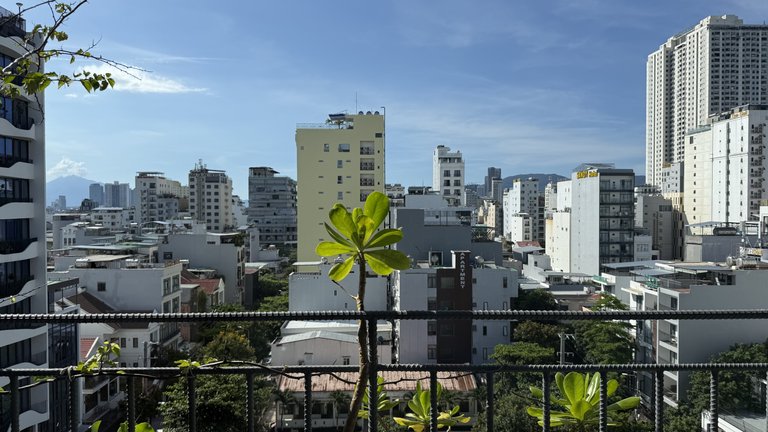
Our overnight stay was very nice, and it never fails to amaze me how affordable traveling is in Southeast Asia in general. At $89 a night it would be a roach-infested nightmare in the U.S. Here it was a new building with beautiful decor, a glass shower and a freestanding tub, a balcony looking out over the rooftops of An Thượng to the mountains, and an infinity pool on the roof.
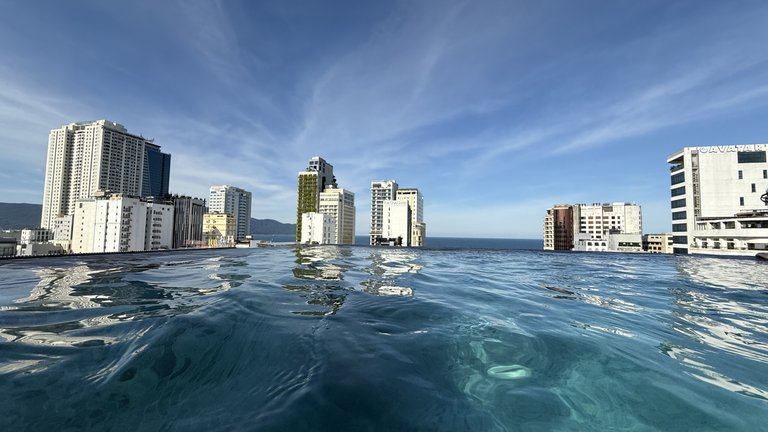
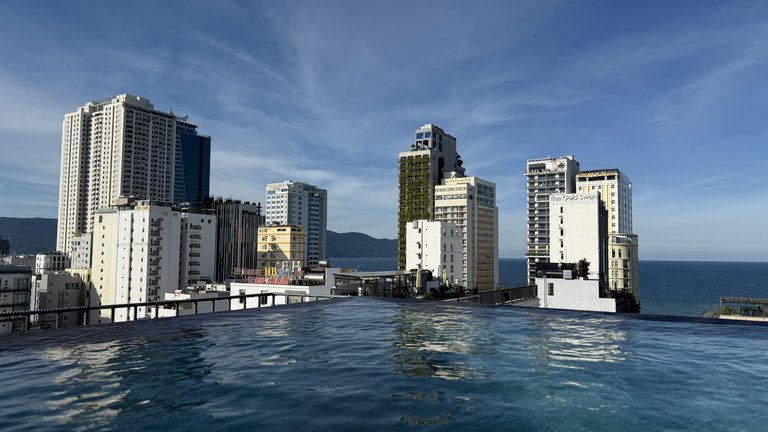
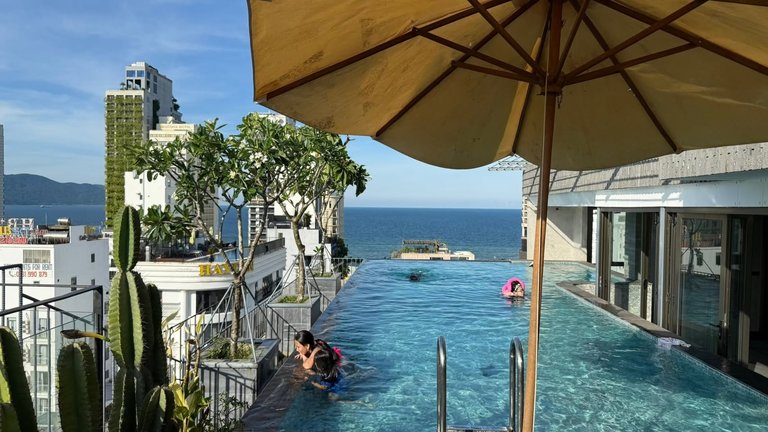
The pool's edge ran right out to the line of the rooftops, the white towers of the beachfront standing up out of the water like they were in it with us, and a strip of the sea showing beyond. Cacti stood in pots along the rail. We swam into the late afternoon, but my mind could not escape the reality that our time in paradise was, again, numbered. Tomorrow would be airports and the insane congestion of Saigon.
One Last Feast
It was our last night in Da Nang, and there was one more feast to be had. We have some family who live in Da Nang, and they prepared one last feast for us before we left in the morning. It was a table fit for a king, and it showcased some of the central region's classic dishes.
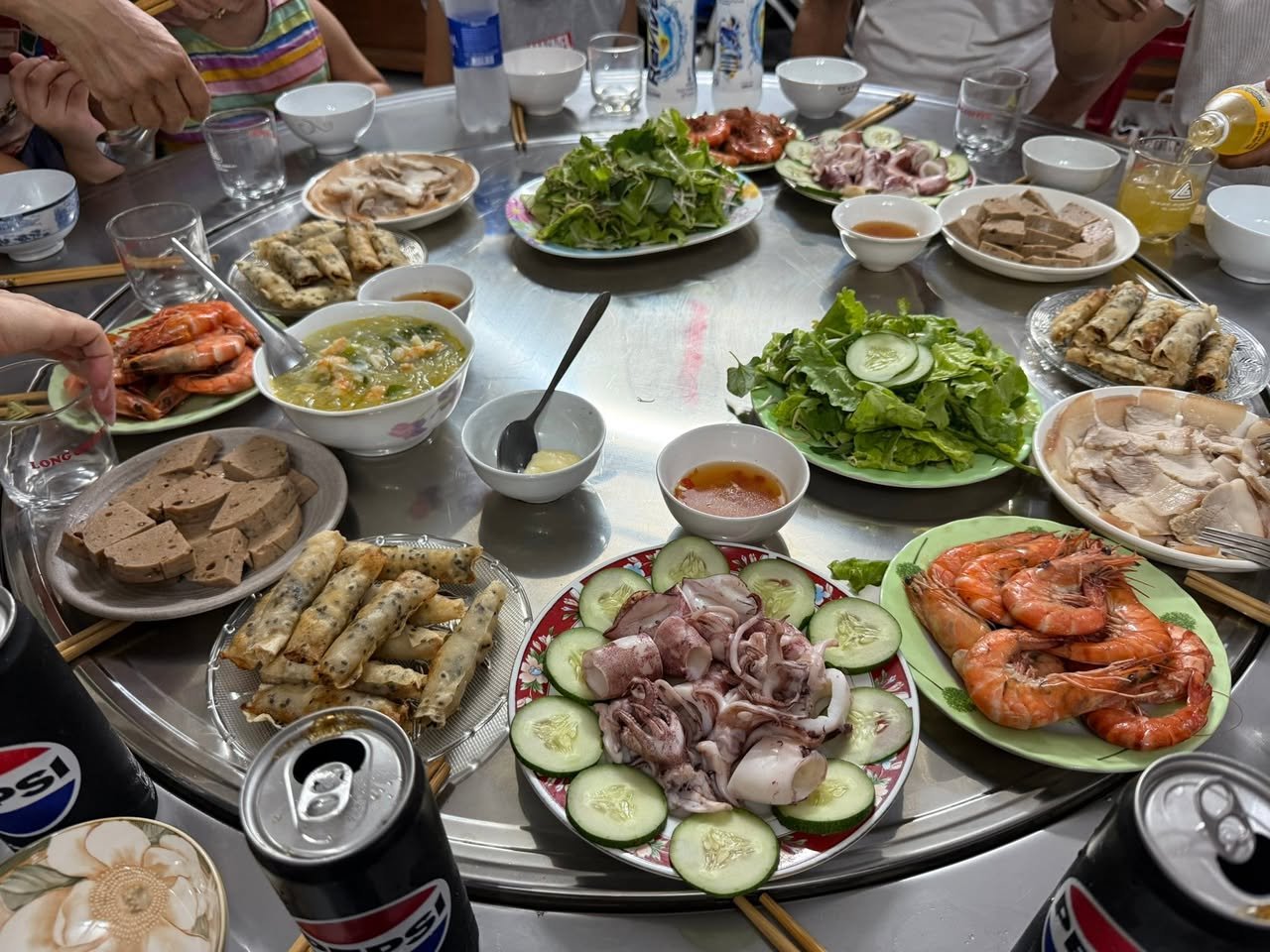
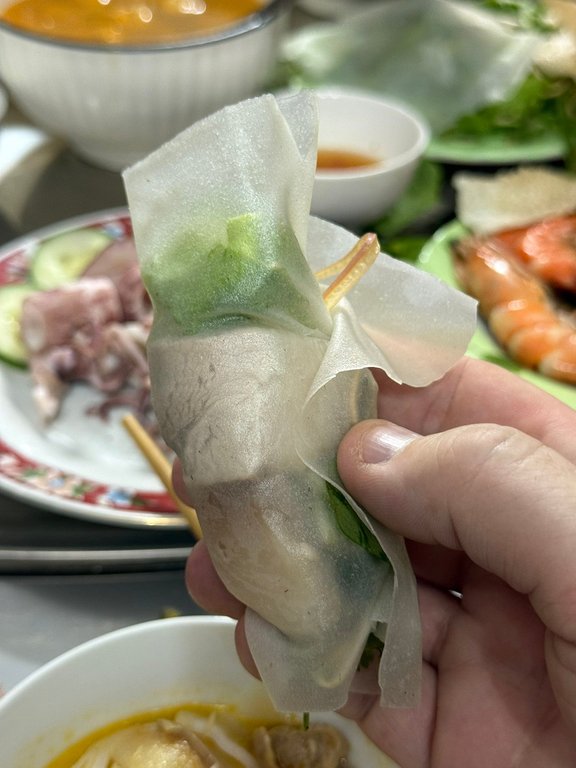
The big round table was covered edge to edge. Pork roll. Steamed squid. Grilled shrimp, piled high and bright orange. Mì Quảng, the turmeric noodles of Quảng Nam that I count as the most Da Nang of dishes. Fried spring rolls stuffed with pork and black sesame seeds. And poached pork belly, sliced thin, with plates of herbs, lettuces, banana flower and rice paper for wrapping. I have written before about that last one, bánh tráng thịt heo. The pork belly is poached in a lightly seasoned stock, chilled and sliced, then rolled up by hand at the table in rice paper so thin that the moisture from the greens is enough to soften it. It is so simple in its design that it took me several plates to realize it was a dish unto itself.
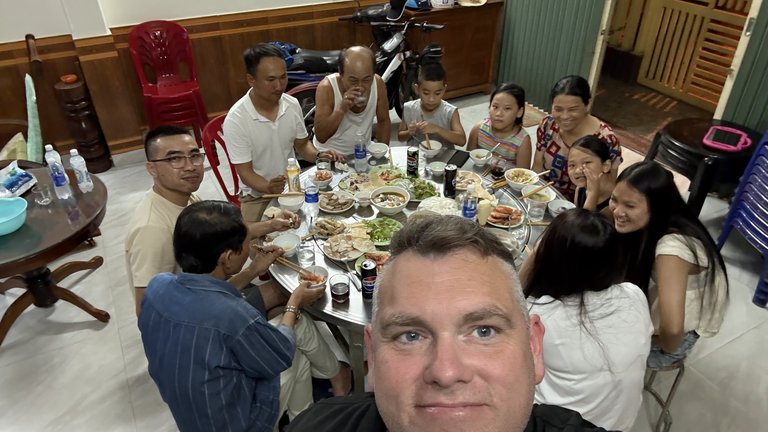
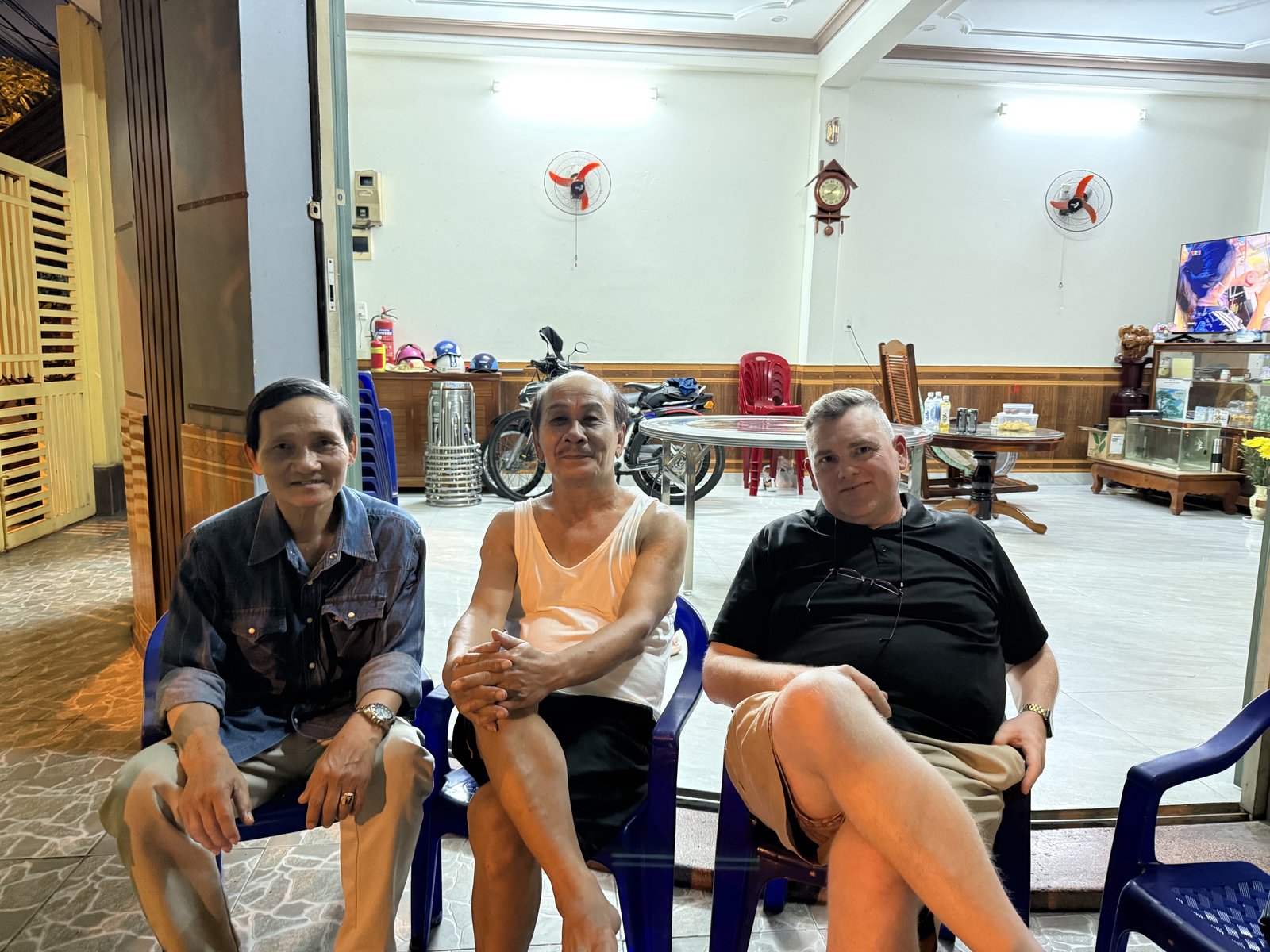
There was much laughter at the table, but the undeniable weight of our departure became palpable by dinner's end. We moved to the porch, where I sat with the eldest men, and they told me stories of their childhood.
March 1965
They recalled being children, in March of 1965, when the first U.S. Marines made their amphibious landing here in Da Nang. They told of American servicemen who were kind and friendly, and even pointed out places in the neighborhood where they lived during the war. I asked if they had been frightened by the sight. They said no. They only knew that the southern government of the day had propagandized the arrival as an omen of hope.
The history books say it this way. On the morning of March 8, 1965, the 9th Marine Expeditionary Brigade under Brigadier General Frederick Karch came ashore at Da Nang to protect the American airbase. The first battalion landed at a stretch of sand the planners called Red Beach 2, on the bay northwest of the city, while a second battalion was flown straight into the airfield. In all, 3,500 Marines were sent to secure the base. They came ashore in full battle gear and were met by sightseers, South Vietnamese officers, schoolgirls with garlands of flowers, and four American soldiers holding a large sign that read "Welcome, Gallant Marines." The general was photographed with the flowers around his neck, a picture he later said caused him a lot of trouble. By the end of that year the Marine force in Vietnam numbered more than 38,000.
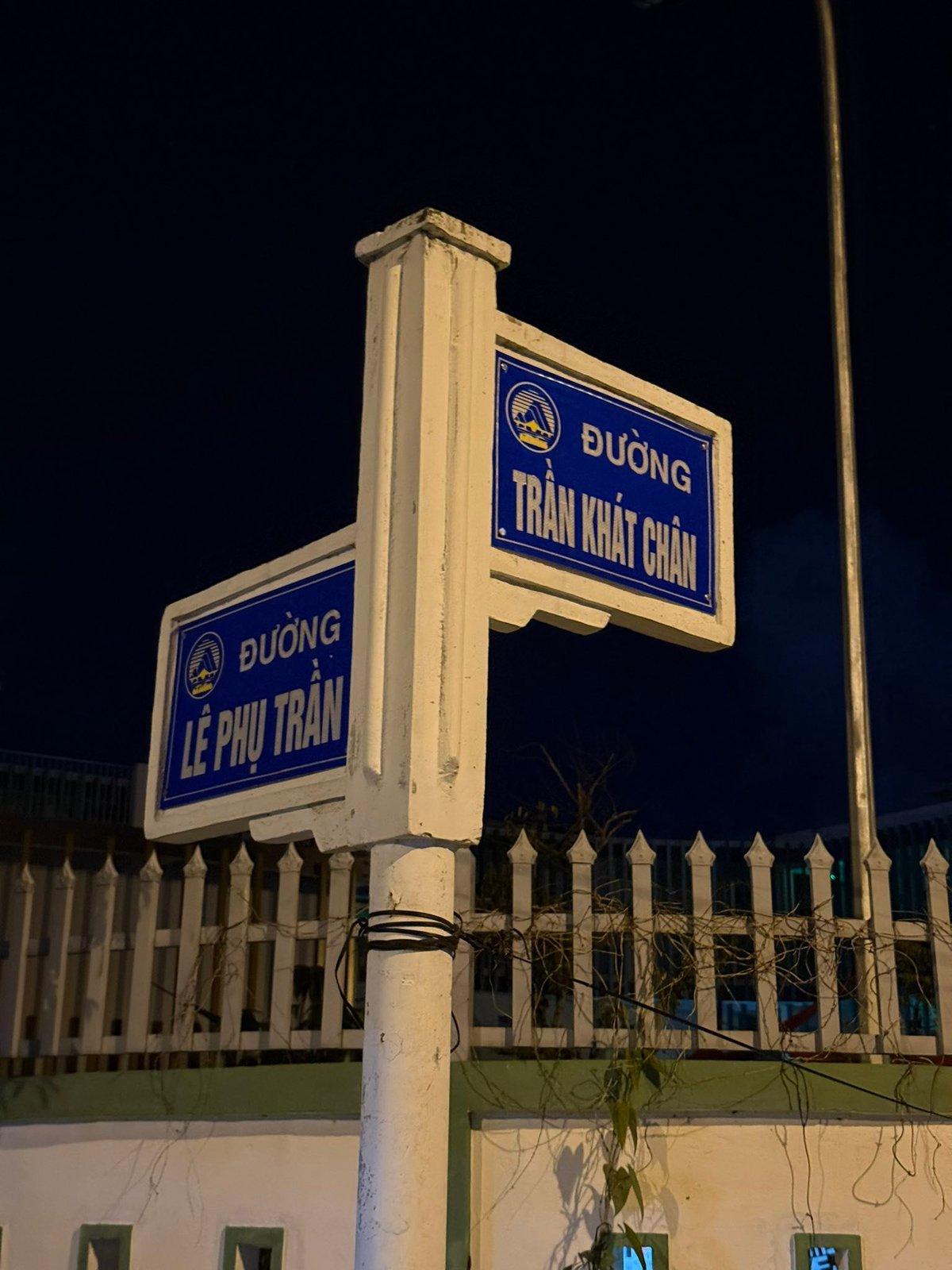
The elders had no idea then that it was the beginning of a decade-long struggle that would see millions of Vietnamese killed, and the hopes of their government lost. It's hard to imagine now, sitting at the corner of Lê Phụ Trần and Trần Khát Chân, that this city was a front-line base for American forces in one of the bloodiest wars of the twentieth century.
I had so many misconceptions before I first came to Vietnam years ago. They were all categorically wrong. In my mind's eye I saw stilt huts and thatched roofs, dirt causeways and endless jungle. What I found was a beautiful culture, a modern world, and a place where every day is a new adventure and anything is possible. A people living in a world where every day is brighter than the last, and progress is around every corner.
I guess when you're down for as long as the Vietnamese were, up is the only way you can go. It gives the place a positivity and a promise for tomorrow I've never felt anywhere else. A people happy to be here, today, in the moment. Their moment. Pragmatic, resilient and happy. I've since made it my life's mission to bring modern Vietnam to the masses. One blog post, one Facebook post, and one book at a time.
One Last Walk With Fozzie
After dinner it was one last walk with Fozzie. Fozzie, for those just joining us, is our old dog, the one we had to leave behind with my brother-in-law Kevin when we moved home in 2021. He is still his grumpy old self.
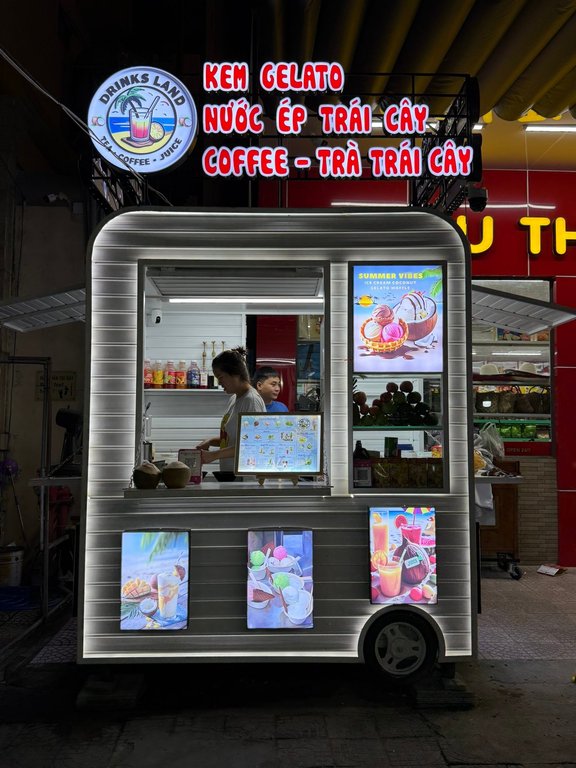
We stopped at a little lit-up cart on the sidewalk, Kem Gelato, Nước Ép Trái Cây, Coffee, Trà Trái Cây, ice cream, fruit juice, coffee and fruit tea, with yellow folding tables and chairs set out on the pavement. Fozzie stationed himself at our feet.

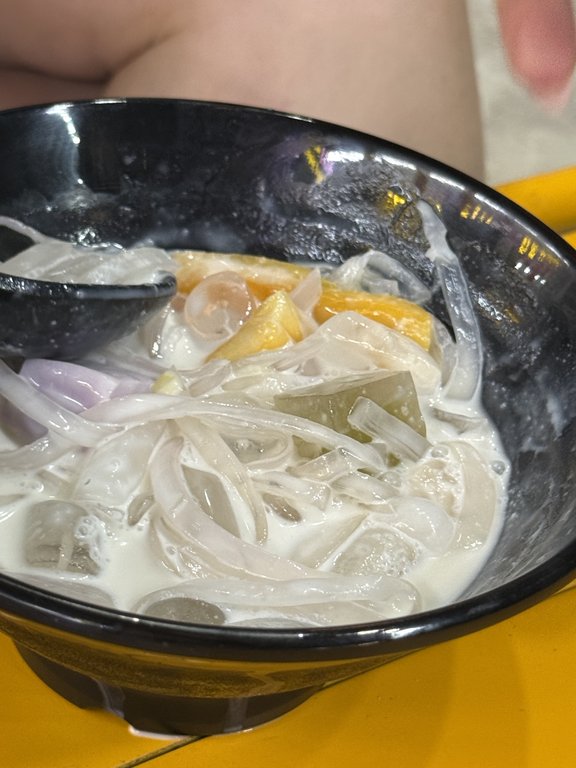
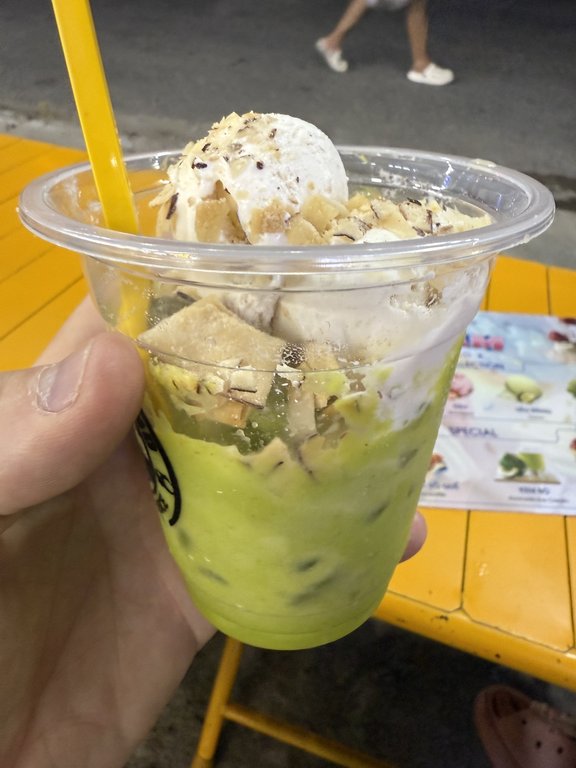
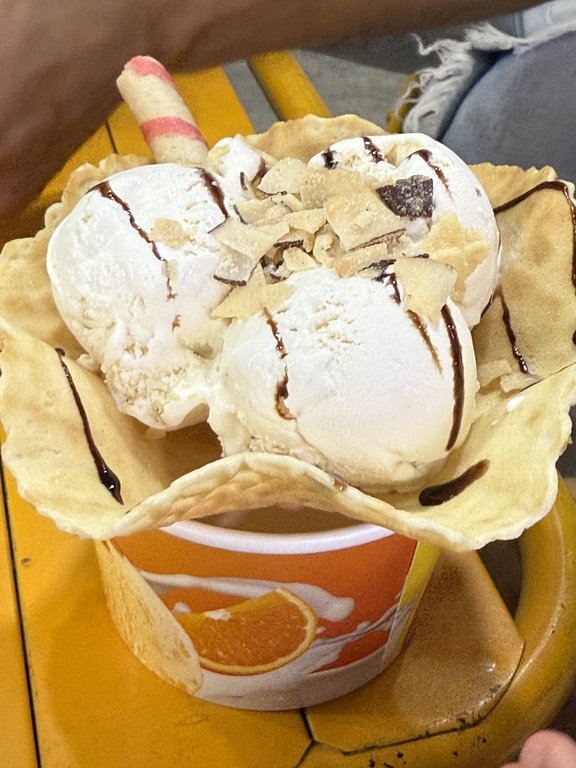
There was chè, the sweet soups that Vietnam eats as a cold treat on a hot night more than as a dessert. Ours was a bowl of coconut milk with clear jelly noodles and pieces of yellow fruit. There was kem bơ, which left an incredible impression on me the first time Diem took me to the Hàn Market for one, years ago. Fresh avocado goes in the bottom of the cup, then coconut ice cream, then toasted coconut over the top. The fatty, earthy avocado, the sweet, creamy ice cream and the crunchy coconut. Its brilliance is in its simplicity. Vietnam's avocados come down from the Central Highlands, the biggest share from Đắk Lắk, and the harvest runs from about May to September, so we were right in season. And there was coconut ice cream, scoops in a waffle bowl with a chocolate drizzle and a wafer stuck in the top.
If you've ever been to Da Nang, you've heard them, riding around on motorbikes with charcoal-fueled warmer boxes on the back and a speaker playing the same call on a loop. Bánh bao, bánh bao đây. A video of exactly that popped up in my feed that night, and I thought it was spot on. Bánh bao are fluffy steamed buns, the name borrowed from the Chinese bao, usually stuffed with minced pork, wood ear mushroom and glass noodles, with a quail egg or two in the middle. All over Vietnam the old street cries have been giving way to recordings on little loudspeakers. The bánh bao men of Da Nang are a fine example.
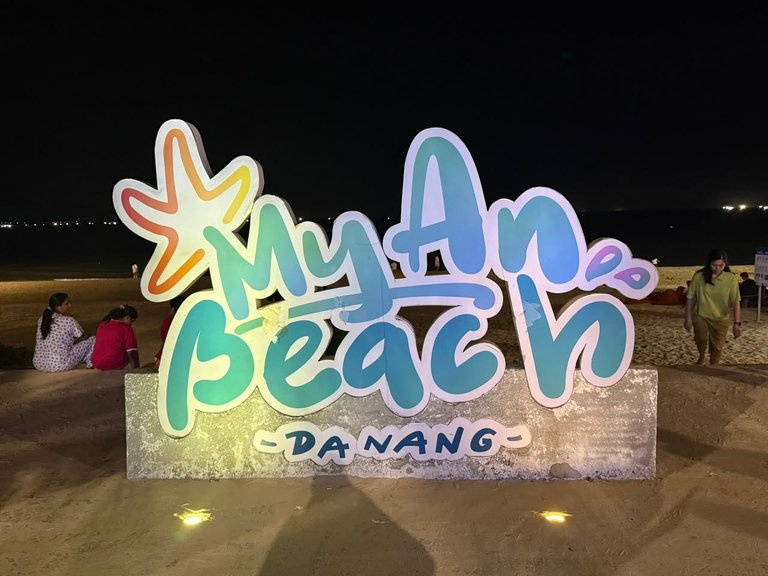
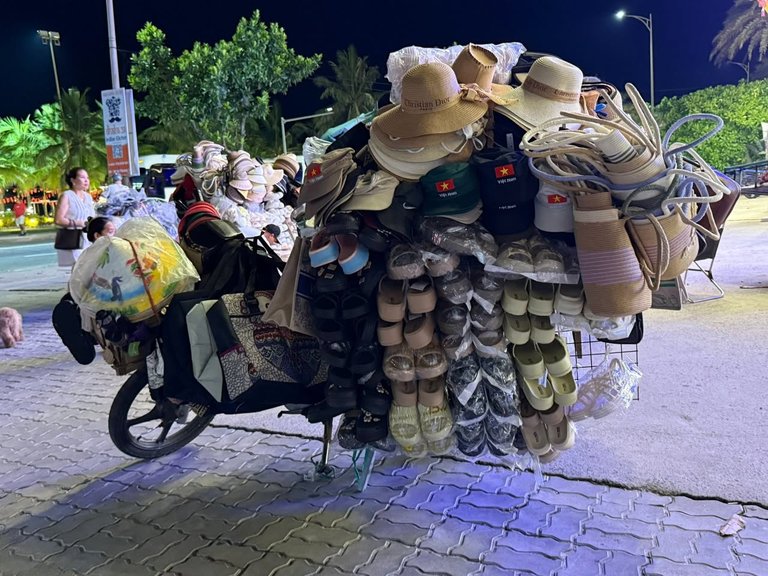
Then down to the beach. Beautiful views of the sea. The sand at Mỹ An was still full of people well after dark, the hotel towers lit up along the shore behind them, and the lights of the far shore strung out along the horizon under the dark mountains. Someone had parked a motorbike on the sidewalk so loaded with hats, sandals and souvenirs that you couldn't see the bike. There's a motorcycle under there somewhere.
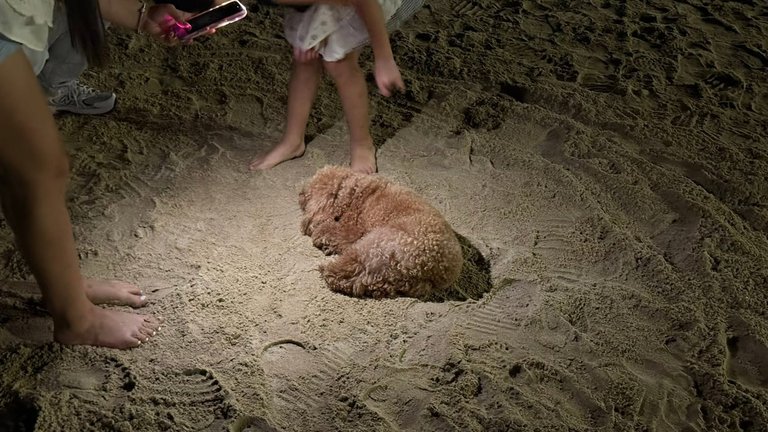
Fozzie found a hollow in the sand and settled into it, our feet all around him. And far across the water, on the dark headland of Sơn Trà, the Lady Buddha of Linh Ứng Pagoda stood lit up white against the night, overlooking it all.
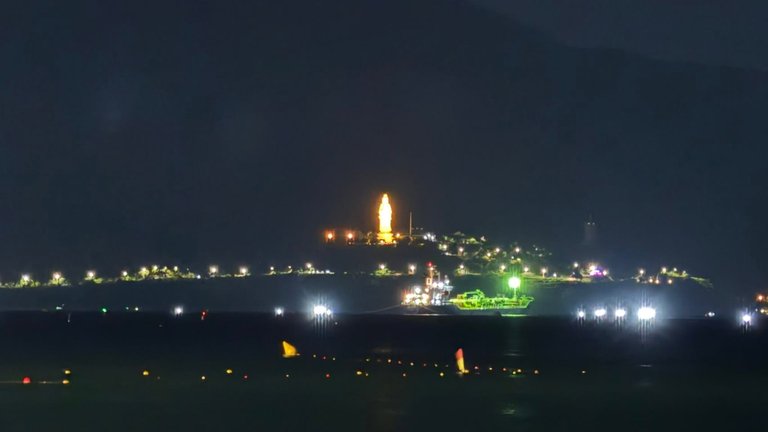
Farewell, Da Nang. I won't wait another five years next time. That I promise.
The Last Sunrise
We had an early flight to Saigon, so I took the opportunity to do one of my favorite things to do in Da Nang. Join the throngs of locals and vacationers who flood the beach in the pre-dawn hour to catch one of Da Nang's beautiful sunrises. It's something I used to do regularly when we lived in An Thượng. But it requires an incredibly early alarm. To catch the display from its earliest slivers of dawn, you need to reach the beach around 4:30 am. I stopped by the salon, a block from our apartment, grabbed Kevin, and we walked the additional block to the beach.
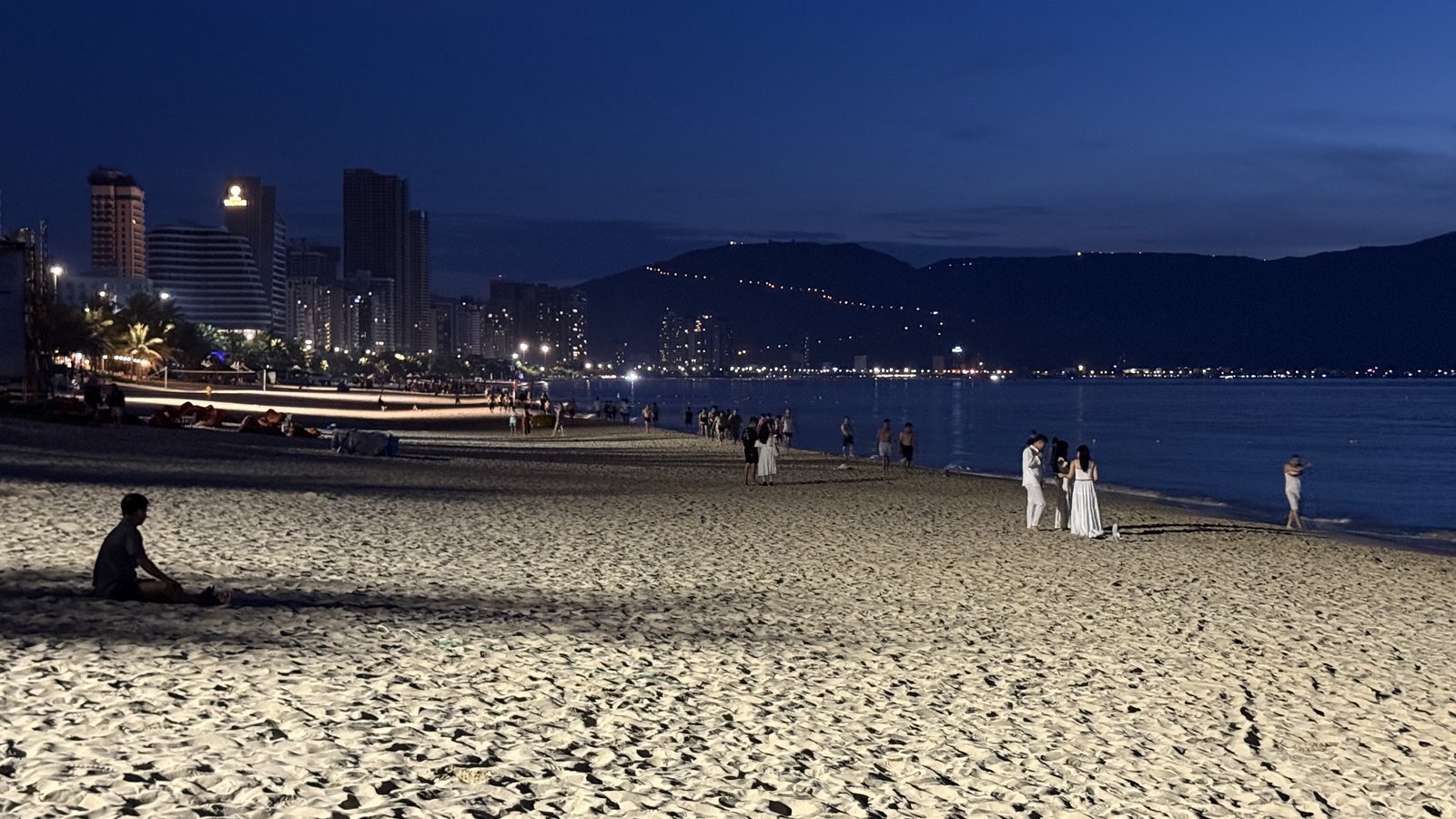
Even at that hour the beach was packed. Locals were walking the waterline, practicing yoga and tai chi, and wading out into the sea, and visitors like me were finding a spot on the sand for what looked to be a spectacular show. Da Nang has always been an early-rising city. Many of the locals exercise or meditate in the parks or on the beach before the day begins, and by mid-morning they disappear indoors, out of the sun. In early June, one resident told reporters it was too hot to go outside during the day, with temperatures reaching 40 degrees Celsius, about 104 Fahrenheit.
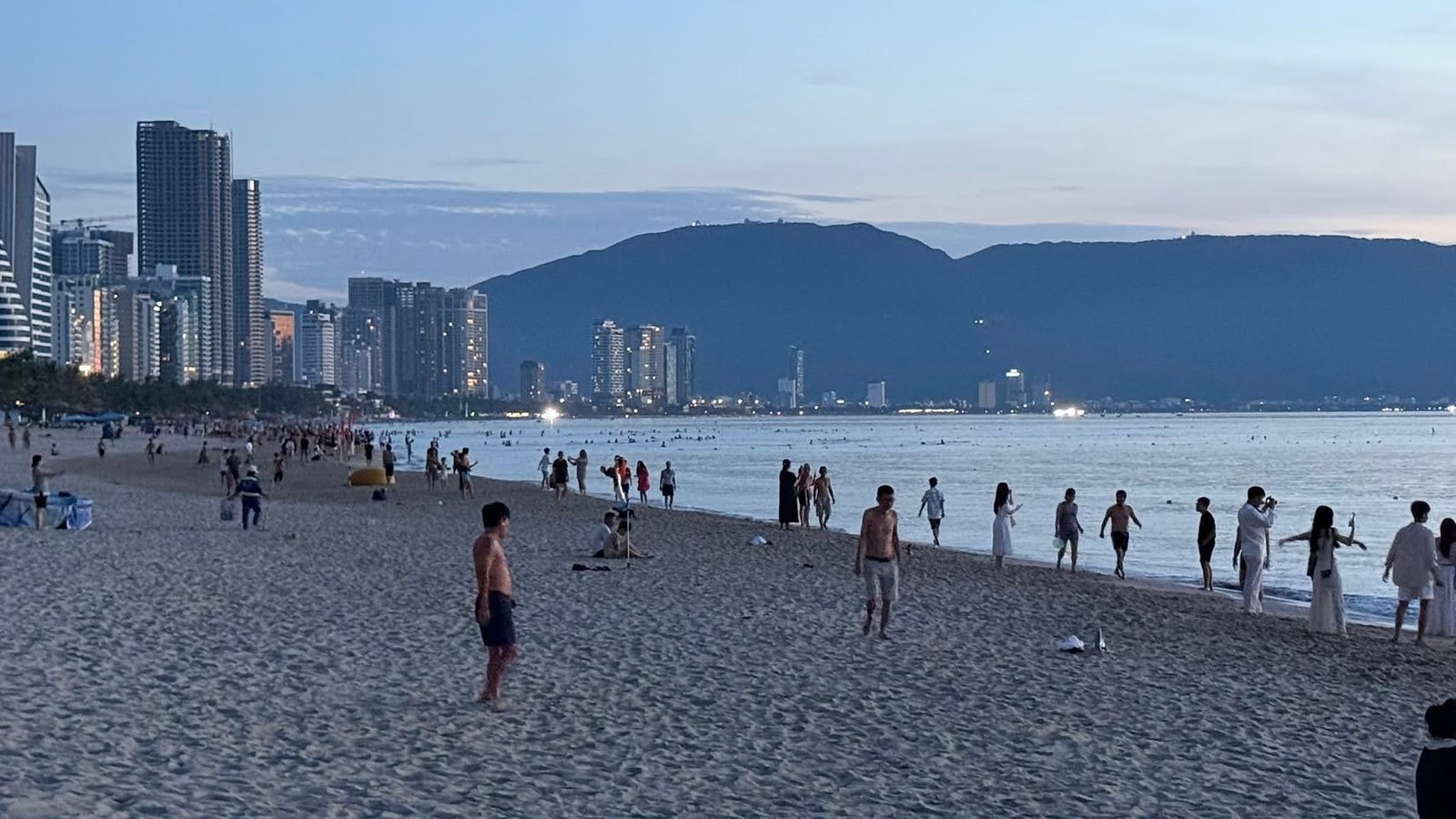
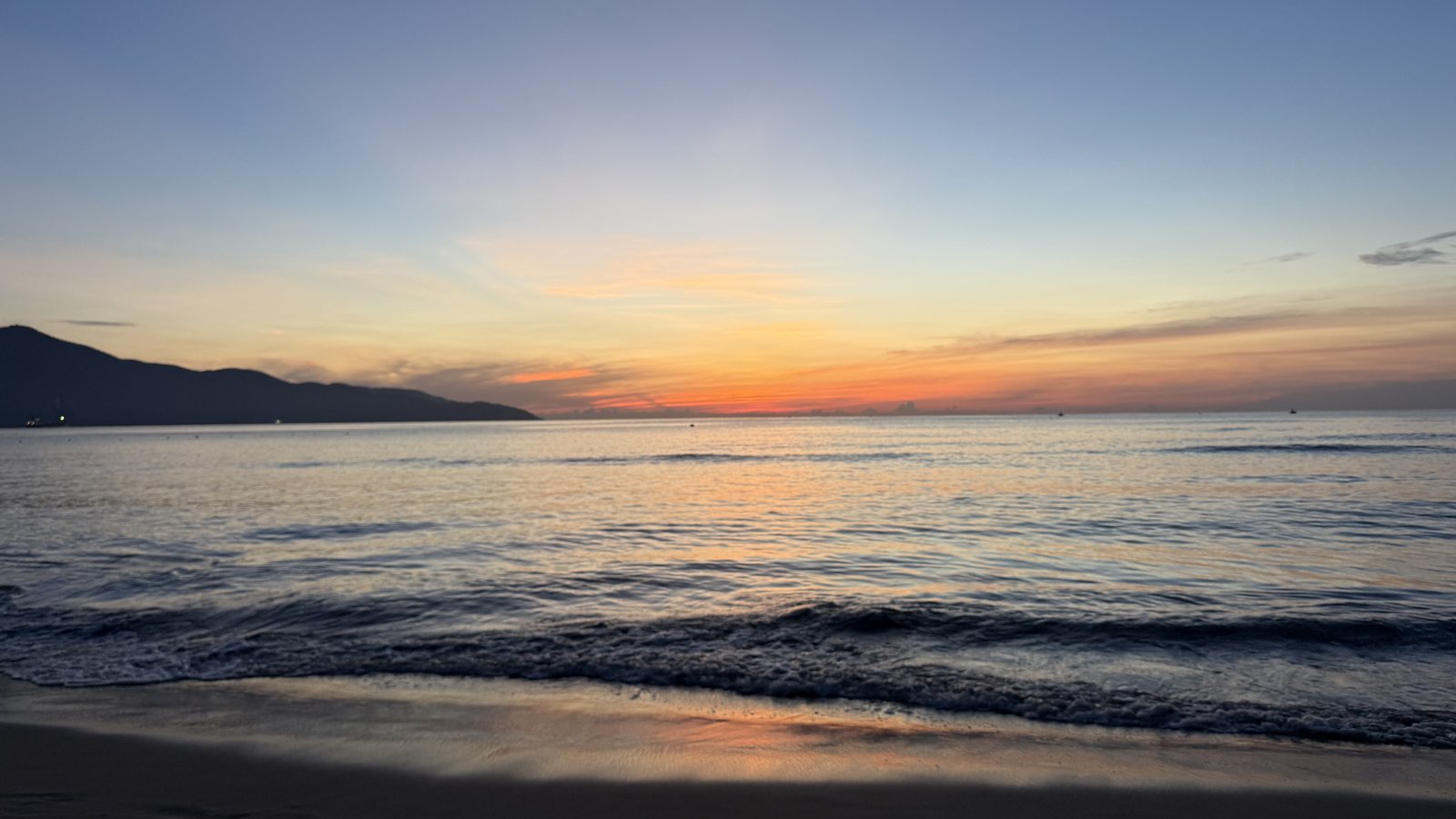
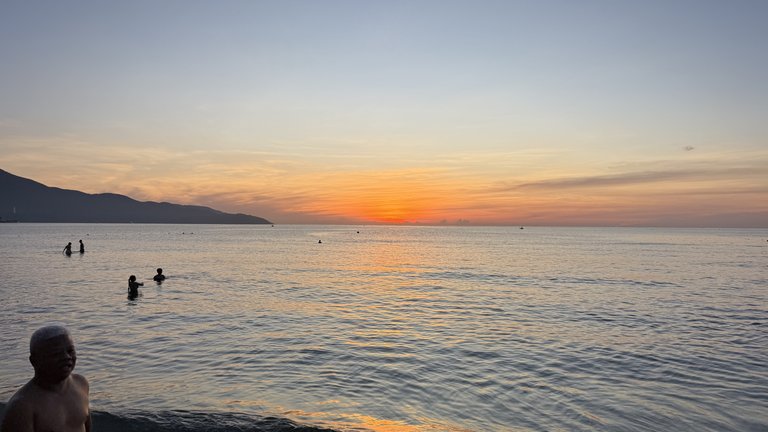
It did not disappoint. The sky started out dark over the water and went to violet, then rose, then a band of orange low along the horizon. The undersides of the clouds lit up orange, and the Sơn Trà headland went black against it on the left. Out in the flat water the early swimmers bobbed in the glow. Sunrise this time of year in Da Nang comes at around 5:15.
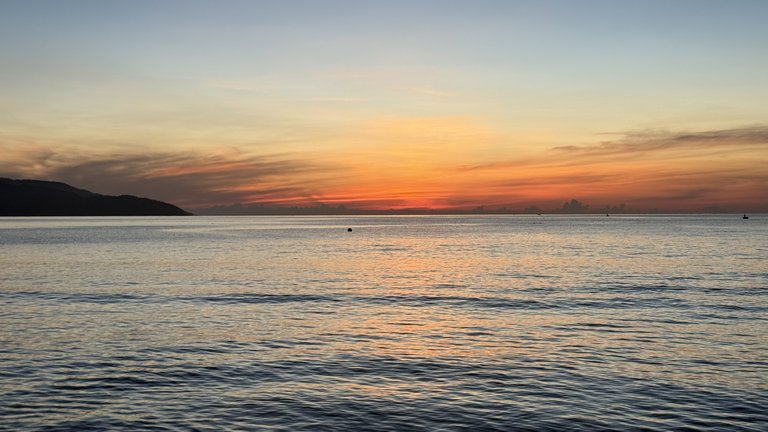
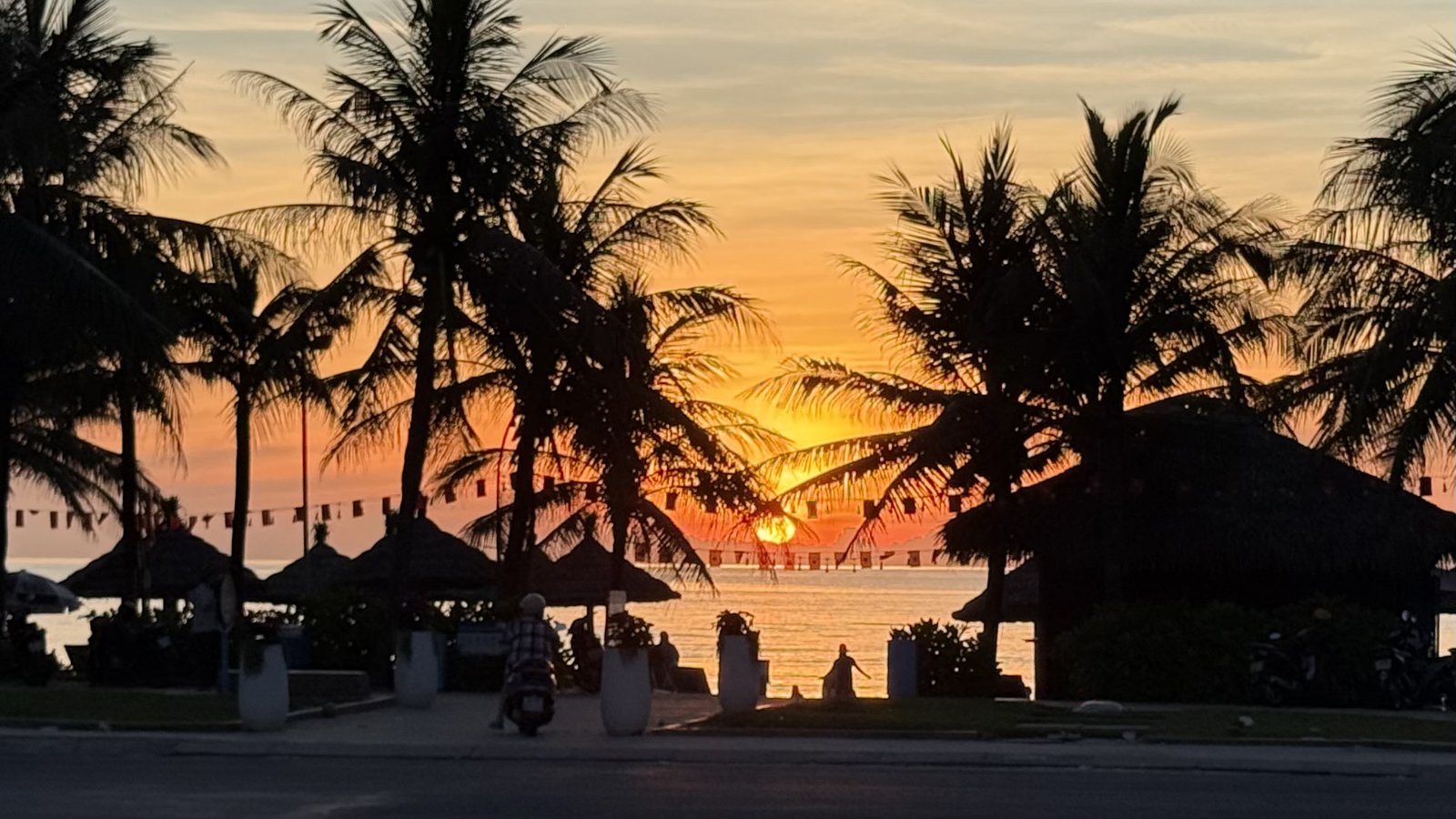
By 5:20 the sun was up, a red-orange ball behind the palms and the thatched umbrellas along the beach road.
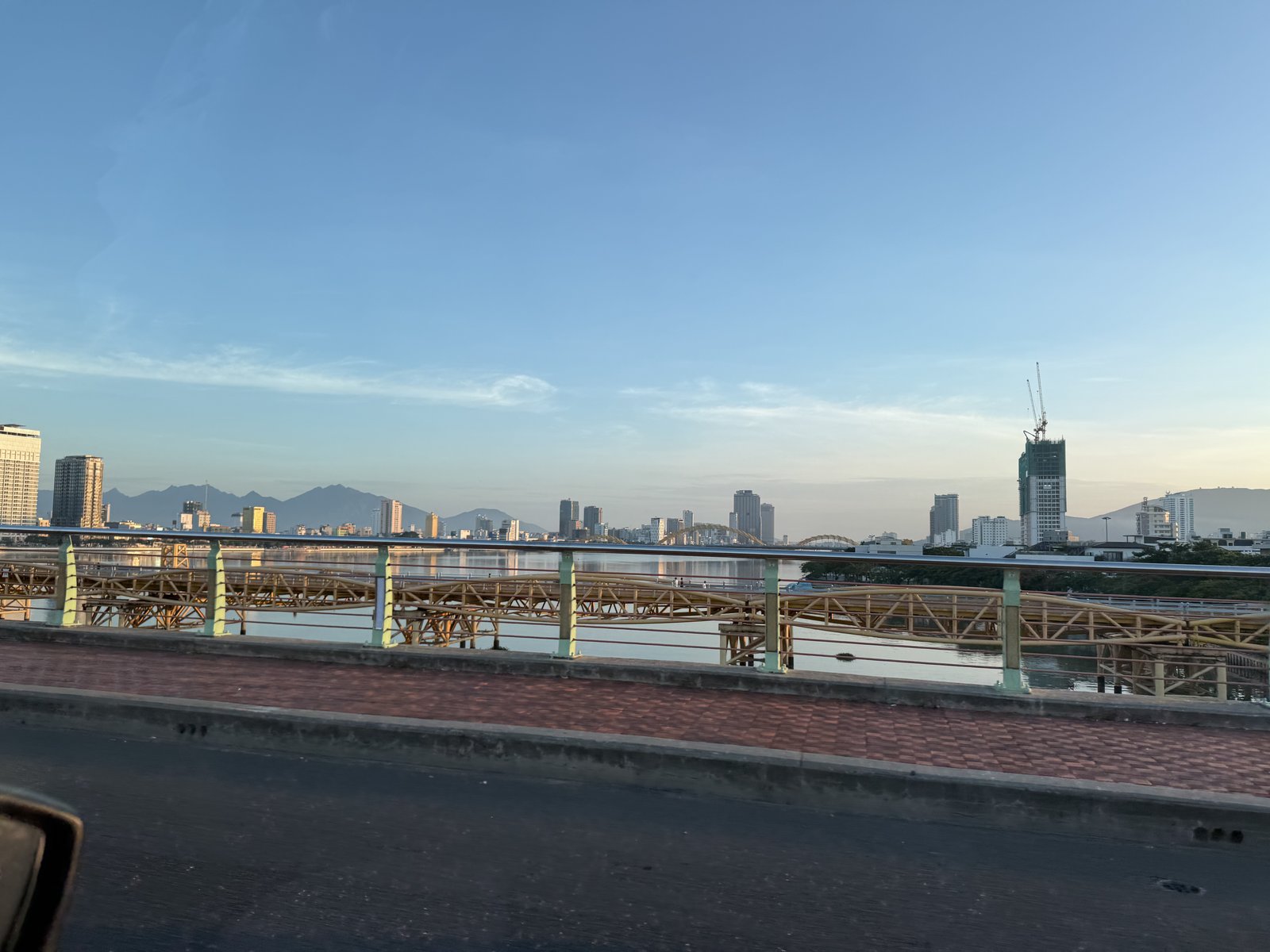
I couldn't stay long. Our taxi was already on its way to take us to the airport, so we hurried back across the coastal road in the full light of morning. It was not yet 5:30. By 5:40 we were on our way, the city standing up across the river in the early light.
It has been an incredible time back in Vietnam. But there were still a few surprises in Saigon. I was expecting to see an old friend from Texas who is building a restaurant empire in Ho Chi Minh City. It's been far too long since I've had the best pizza in Southeast Asia. For that I can't wait.
Previously: An Thượng, Then and Now
More from Da Nang: Da Nang - City of Bridges, The Honeymoon, The Reunification Express - A Ride Into History and Dragon City - Home At Last
More from Da Nang: Da Nang - City of Bridges, The Honeymoon, The Reunification Express - A Ride Into History and Dragon City - Home At Last