Galveston, Texas, to Covington, Georgia
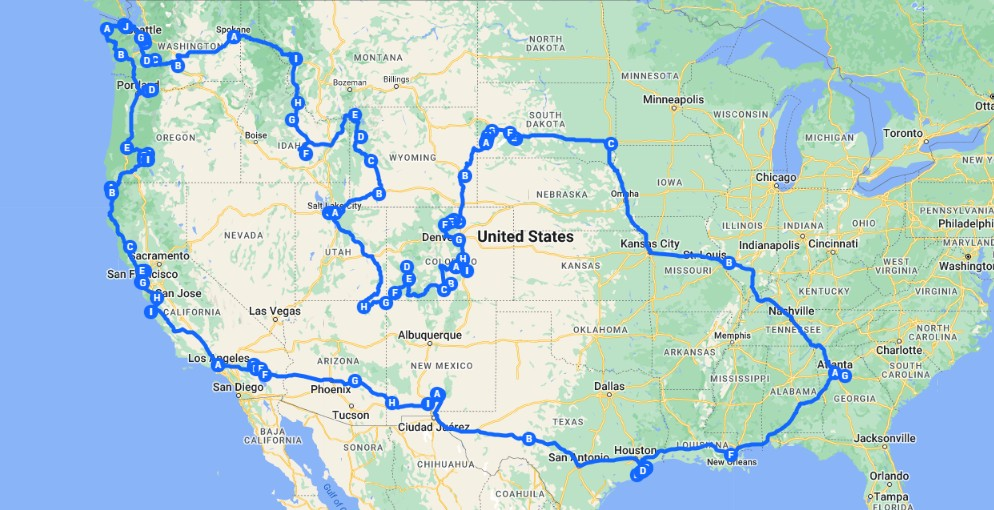
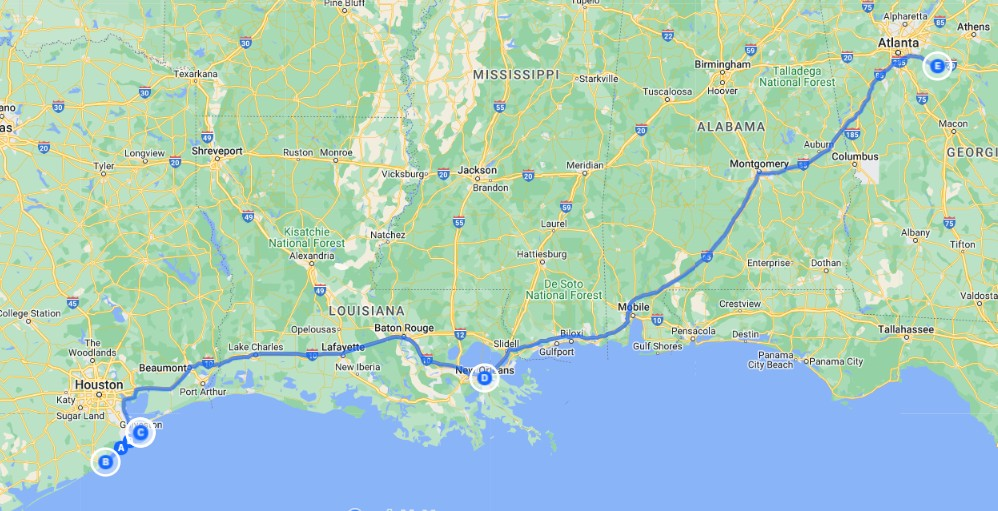
As the first light of dawn softened the horizon, we emerged from the cabin. It was face washings, teeth brushing and very much a zombie-like air as we fell into the van for one last push, which was our longest of the trip. Our opening volley 28 days ago was a sprint from Covington to Columbia, Missouri, a respectable 721 miles. This slingshot home would be 869 miles from door to door, one day and one shot out of a cannon. Diem and I prepared snacks, sandwiches, and iced beverages to keep our stops to only gas stations.
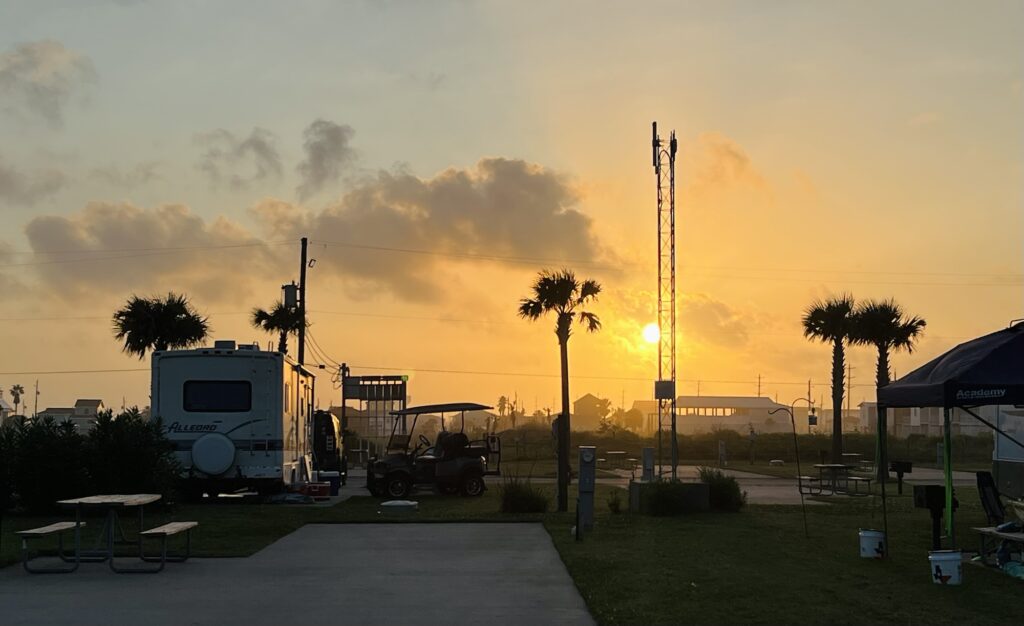
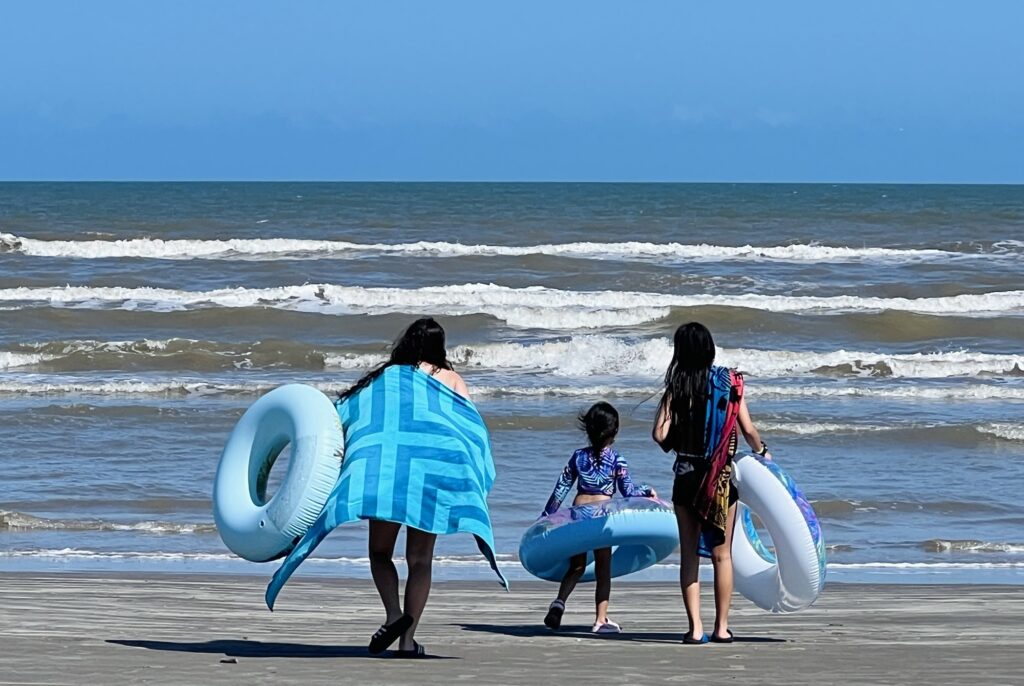
The van, our companion across countless miles, stood waiting with its doors yawning open. At 7 a.m. we pulled onto the road and headed away from the salt-stained winds of Galveston and onto the road home.
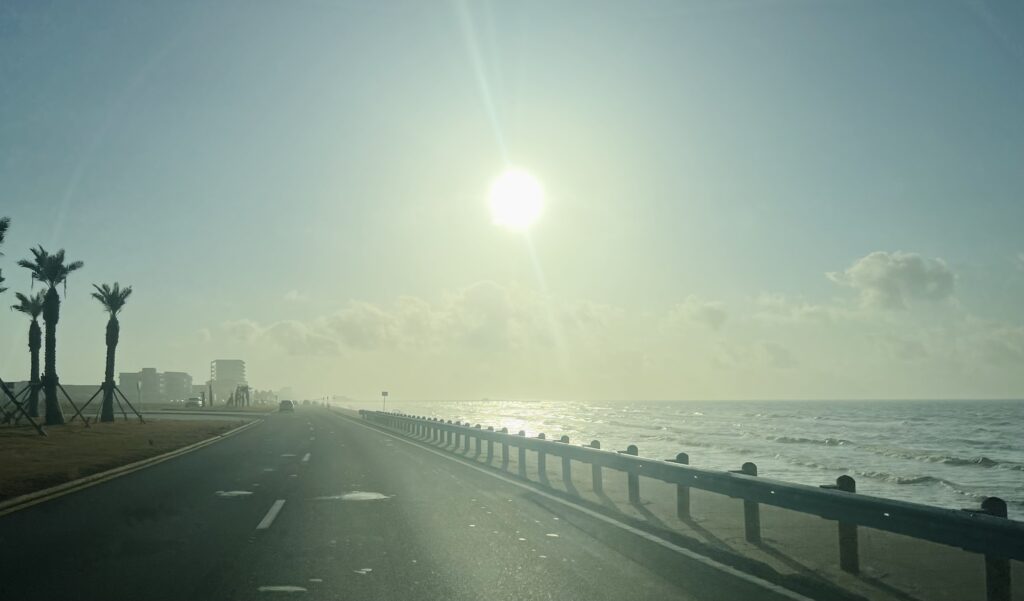
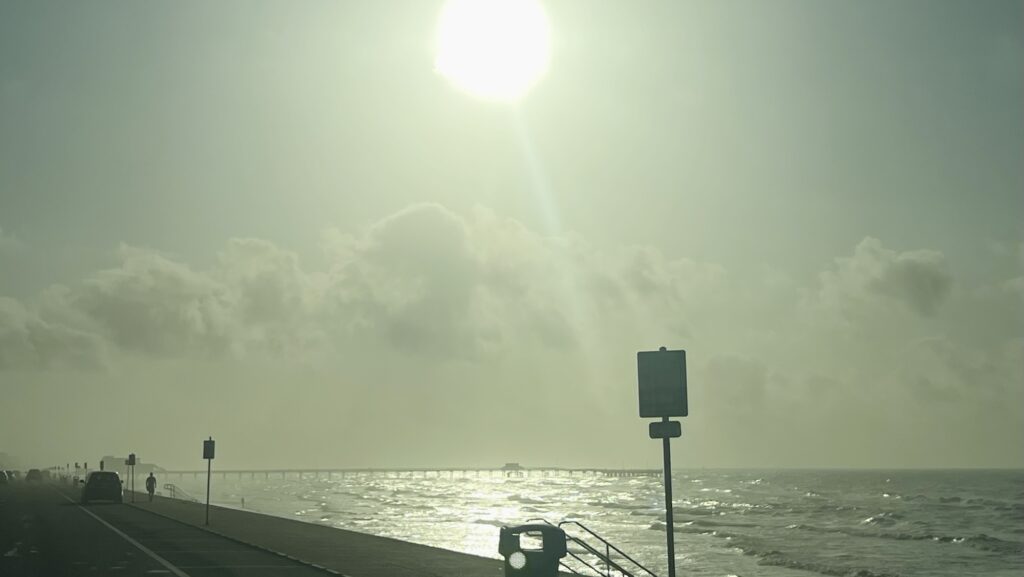
As we left Galveston, the sun rose behind us and spilled golden light over the coastal marshes, casting long shadows on the road. The van hummed with the kind of silence that had grown familiar, and it came less from exhaustion than from the quiet weight of transition. A journey this long does something to people and reshapes the edges of who we are, smoothing some and sharpening others. The van had once been a place of shared excitement and had become a space of quiet reflection, with each of us lost in our corners of its meaning.
Part of our purpose had been to give Diem, Jennie, and Lisa, who had only been in the U.S. for just over a year, a crash course in what it means to be American. Its monuments, its cultural significance, its national parks, and wide open spaces. The heartbeat and feeling of America. We have our differences, Americans, I mean, so many polarizing ideologies these days, it feels almost un-American in some ways. It is America's fundamental truth that is its greatest asset. Its diversity in people. Make no mistake, it is still a place where immigrants can come from less desirable positions, work hard, and change their paradigms. Change their family's paradigm of poverty and struggle. And this makes it a truly amazing place.
Upon reflection now, I could not have known the significance this trip had for Maggie and me as well. Ninety percent of the places we visited I had never seen before. I knew that would be the case, but to put my tires to the road and drive every mile from here and back again changed what America meant to me. I feel more in touch with the land and its place in the expanse of us. I'm more compelled to participate in programs to protect our beautiful spaces. More respectful of nature and more cognizant of the challenges faced by our major cities and delicate wilderness as we work to balance progress and preservation. It had fundamentally shifted the focus on what America would be to me.
The children in the backseat spoke in hushed tones before settling into their rhythms. The hum of the tires became steady and meditative. The world beyond the windshield flickered by in green and gold as the marshlands melted into open fields and then thickened into the wooded stretches of East Texas.
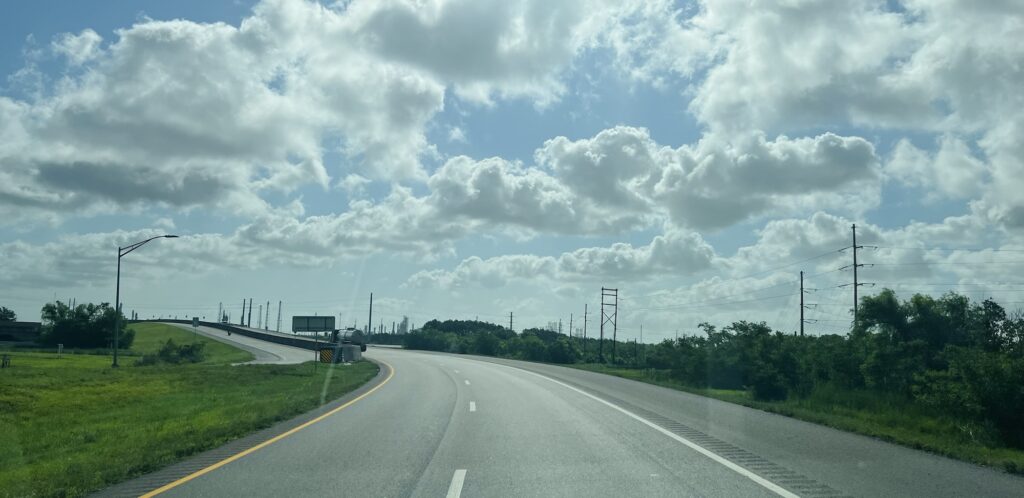
There was a strange weight to this final day. The anticipation of home pulled at us, but so did the quiet sorrow of an ending. We had been moving for so long in the singular purpose of travel that stopping felt foreign. The road had been our measure of time, and now it was unraveling beneath us. As the sun lifted higher and burned through the morning haze, I watched the world outside and let my mind settle. There was something comforting about how the landscape shifted without effort.
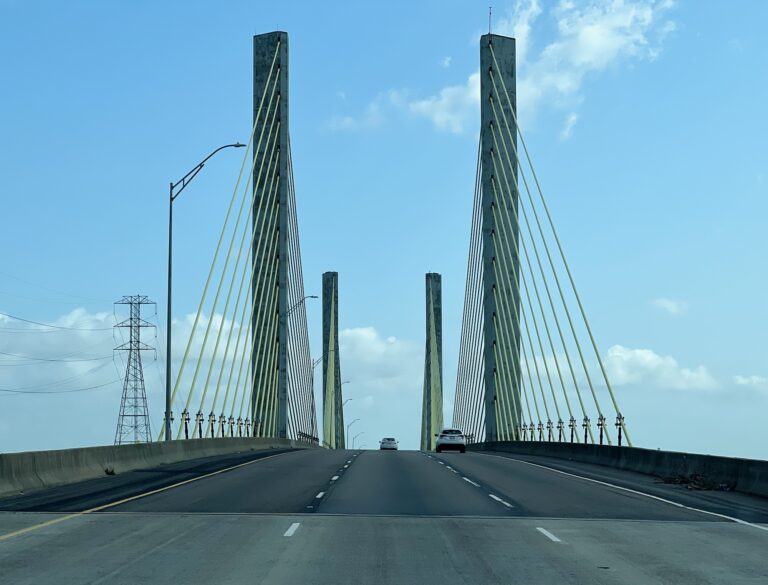
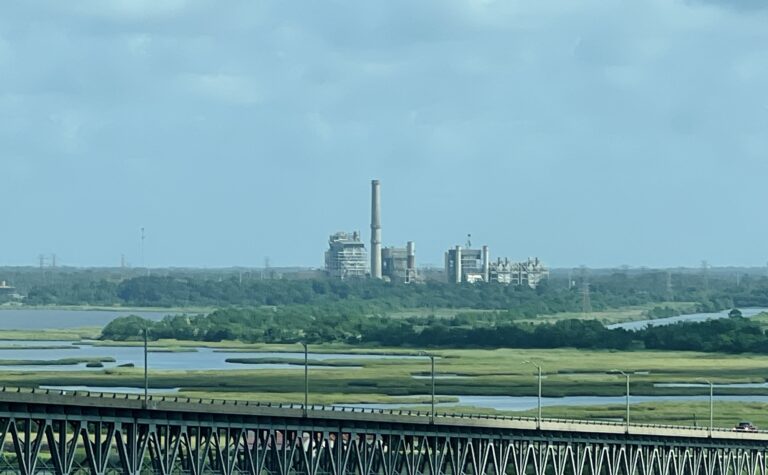
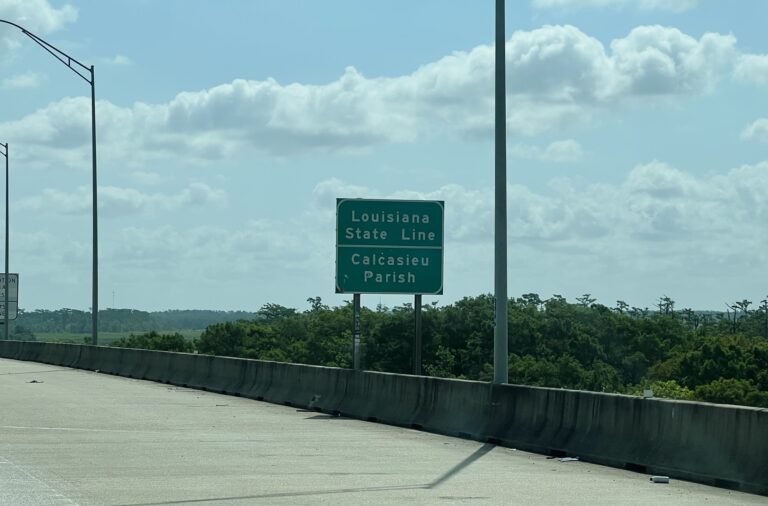
Crossing into Louisiana, the landscape thickened and the air took on the dense weight of the familiar. The trees were more knotted and the rivers swollen. We were moving toward something known, yet everything felt different. That was the paradox of return. You arrive at the same place but are not the same person. The road had reshaped us in ways too subtle to name, with the long, quiet mornings, the heat pressed against the van’s windows and the unfamiliar places that became momentary homes. Each experience had left something behind.
I thought about what it meant to truly leave a place. Every road trip ends the same way with a return, but the person who left is never quite the same as the one who comes back. This journey had changed us, but how exactly remained just beyond words, and perhaps that was the point. Some things aren’t meant to be held too tightly and are meant to settle and find their own way to the surface in time.
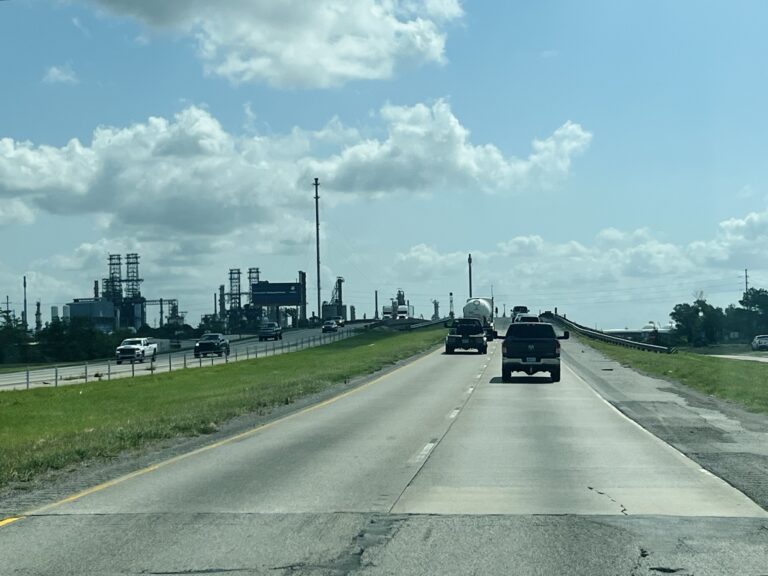
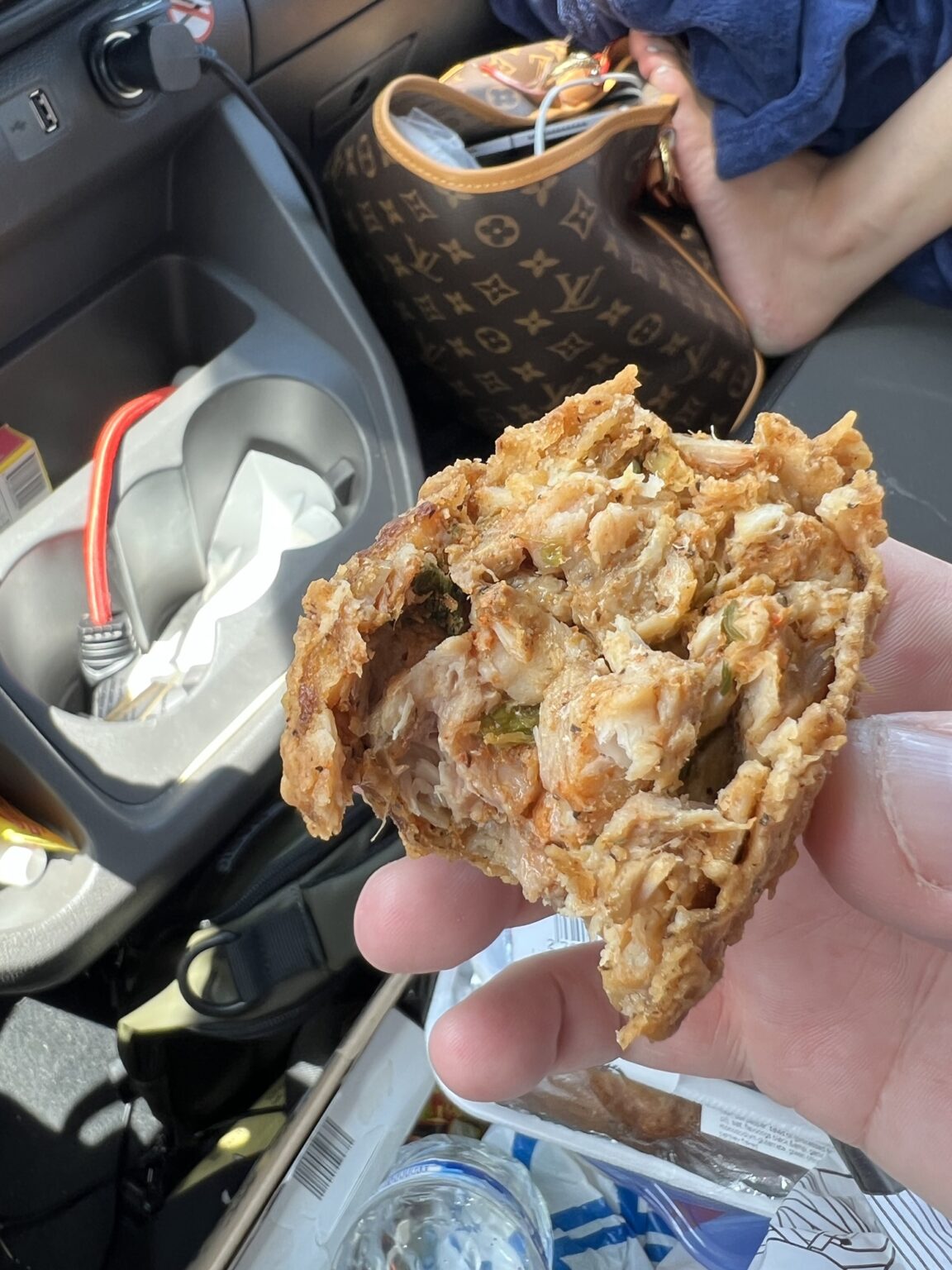
The afternoon unfolded in the slow crawl of highway miles, the road pulling us eastward and closer to home. Heavy with exhaustion and reflection, the van hummed steadily over the pavement. Lafayette had given us a meal of gas station ribs, boudin, cracklins, gator fritters and crawfish cakes eaten between the clutter of road snacks and water bottles. Gas station food in Louisiana is some of the best eating within 200 miles of the Mississippi River.
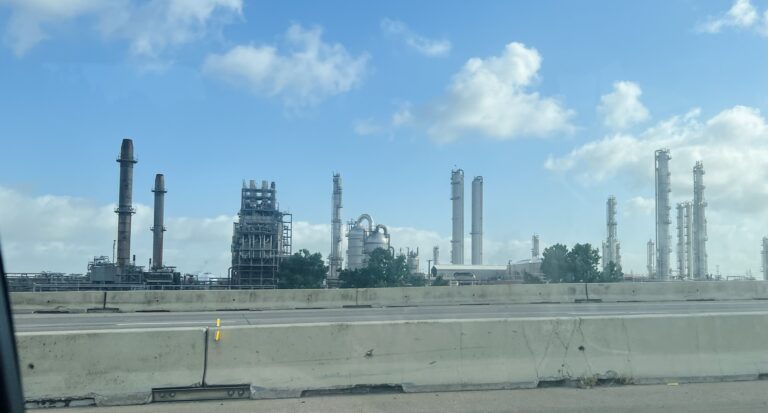
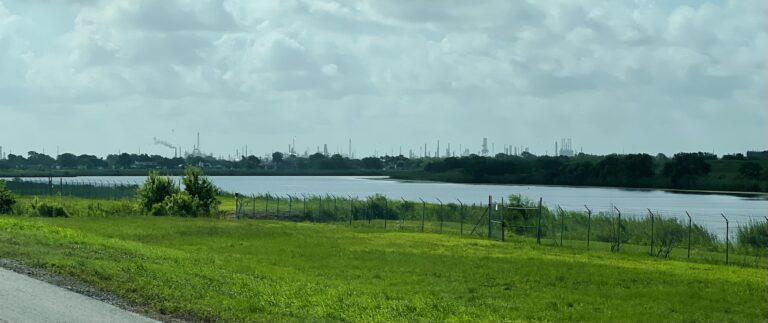
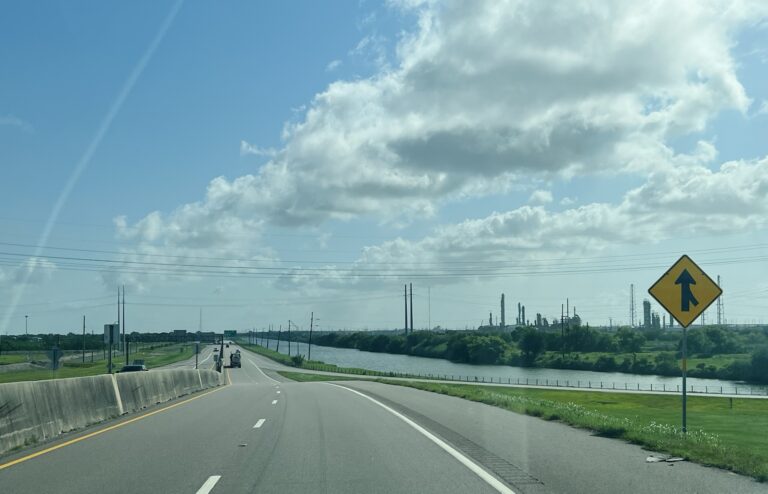
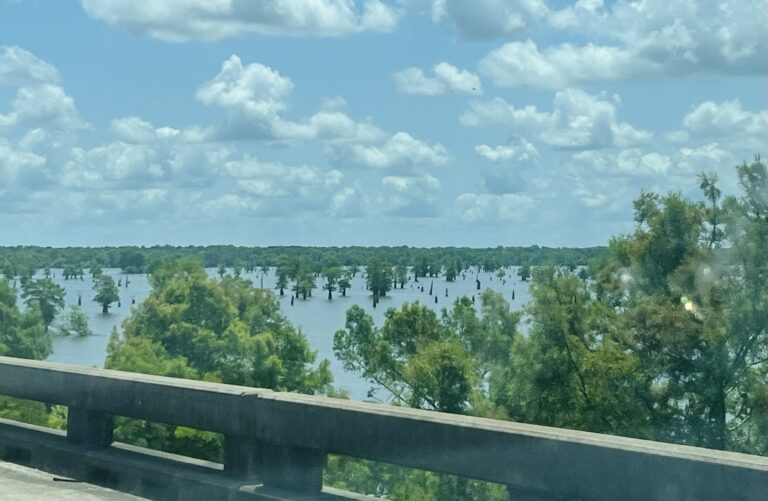
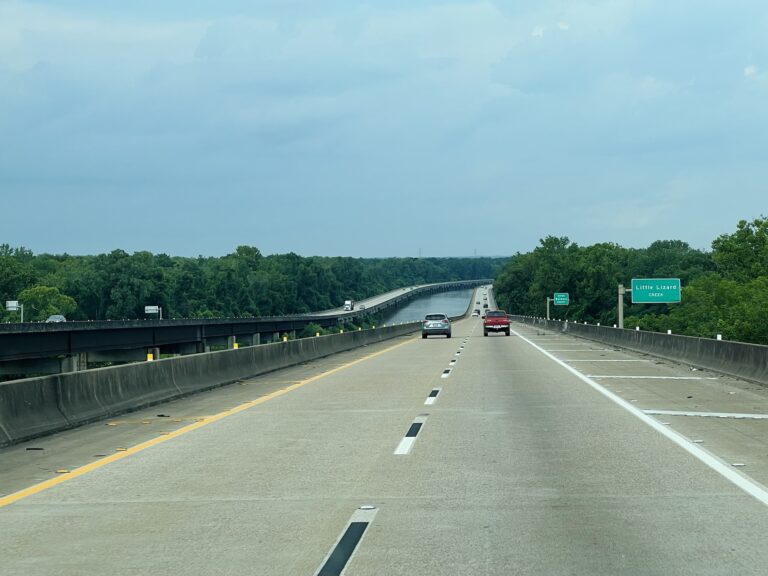
After Lafayette, the landscape shifted into vast green marshes and tangled cypresses, and the air was thick with humidity. The sky had been vast and unobstructed over Texas and now pressed lower, with cloud banks rolling over the horizon. The bridges grew taller over muddy waters, and industrial complexes rose in skeletal frames beyond the trees. This was the heart of the South, with its refineries and rusted river barges. It was a land that held history in its bones, where time felt less linear and more like a cycle of flood and rebuild.
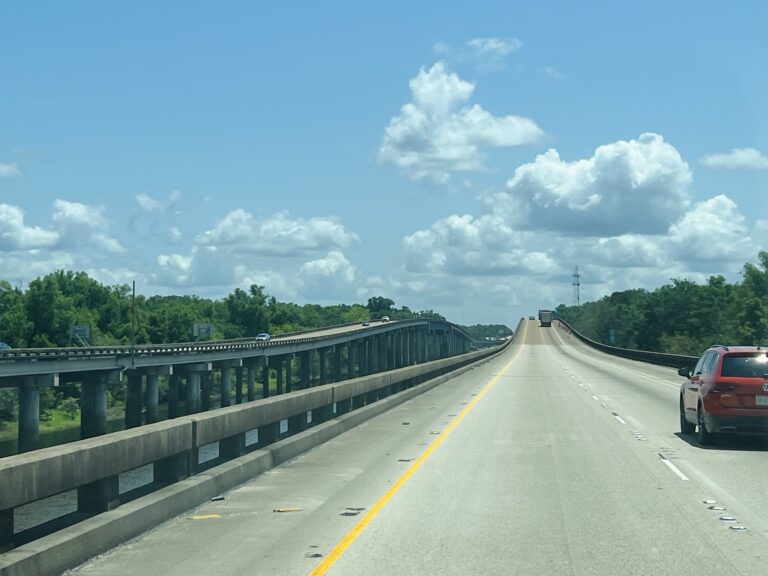
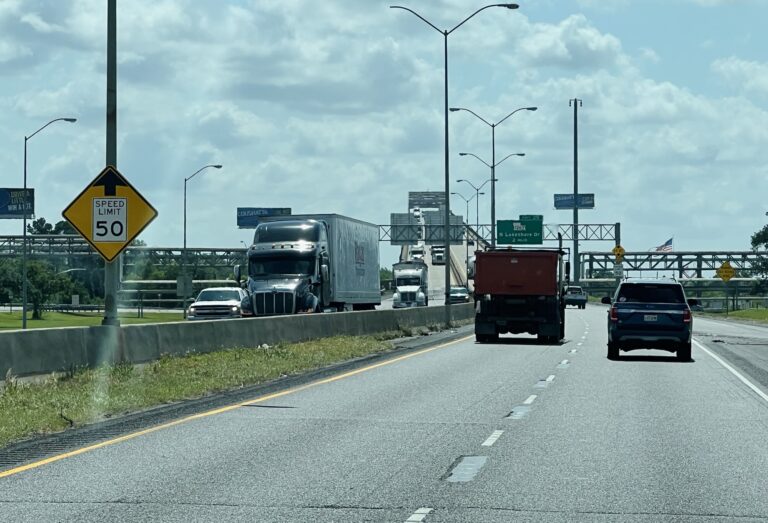
Silence hung in the van, but it was not the forced quiet of previous days, when we were too drained from each other’s company to speak. It was something different, a shared awareness that we were nearing the end. The roads leading toward New Orleans carried a kind of inevitability. We had seen and done so much, yet there was still the road ahead and the last stretch that would lead us home. The weight of the journey was no longer a burden but a presence that settled over us. Each mile felt like a moment of reckoning, and whatever had been left unresolved before this trip and had driven us out onto the road in the first place was still waiting at the other end. But for now we drove, and the Mississippi River drew near.
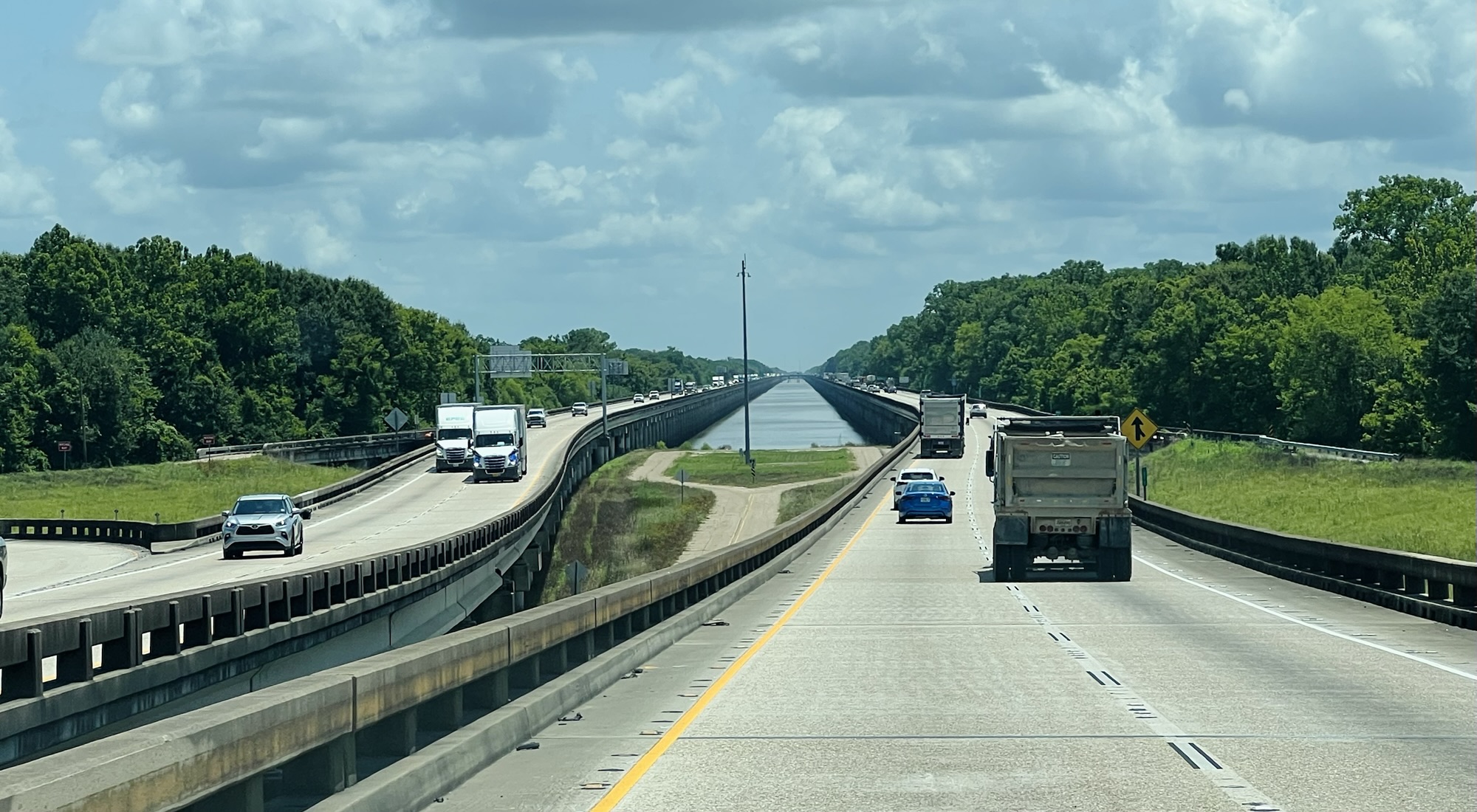
The drive stretched into the afternoon, the road carving its way through the green and waterlogged earth of southern Louisiana. The Atchafalaya Basin unfolded around us. Swamp cypress rose with their knees breaking the still water’s surface, remnants of a world that thrived long before pavement and steel bridges cut across its heart. The heat pressed in heavy with the scent of brackish water and distant rain, but the sky above remained an uninterrupted blue.
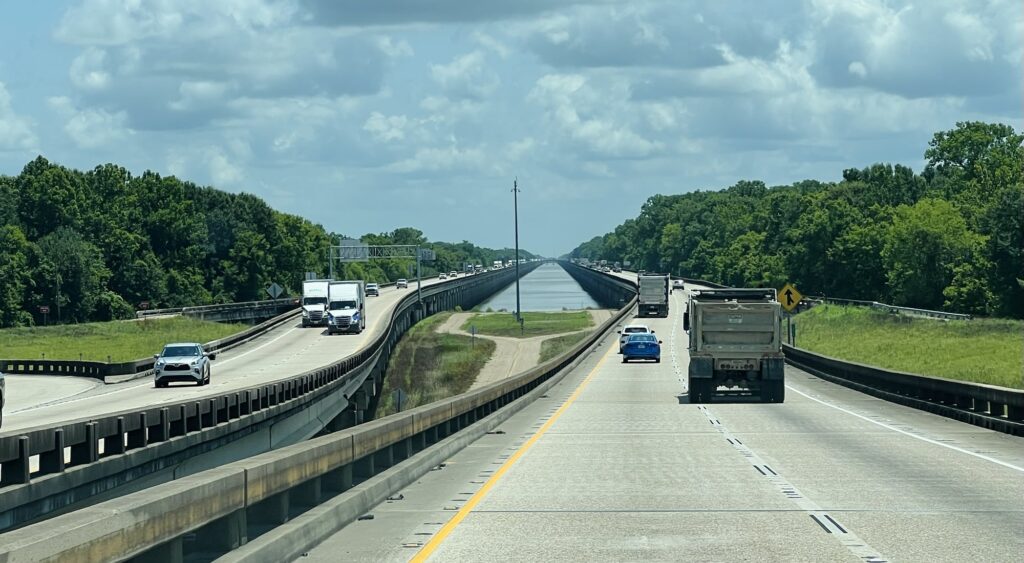
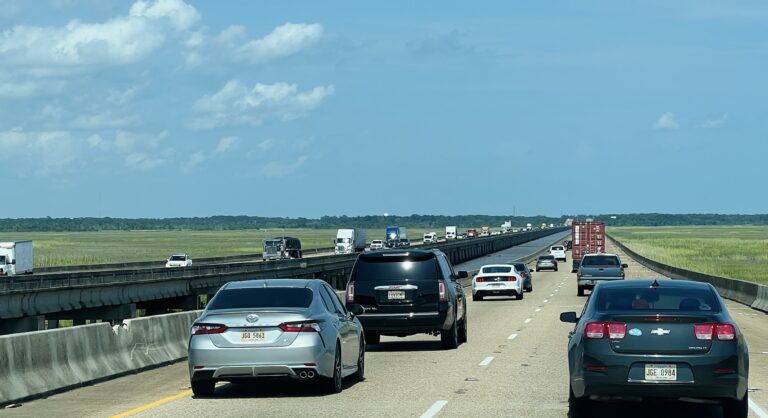
Traffic thickened as we approached New Orleans, and the hum of eighteen-wheelers mixed with the low, sluggish churn of the river beneath us. The weight of the journey settled in with the recognition that the road was beginning its last great arc. The Mississippi loomed ahead. Lunch sat heavy in our stomachs, the taste of gas station boudin and smoky ribs still clinging to our tongues. These were the flavors of the South, unpretentious and rich, and the kind of meal that reminded you of where you were even before you glanced at the road signs.
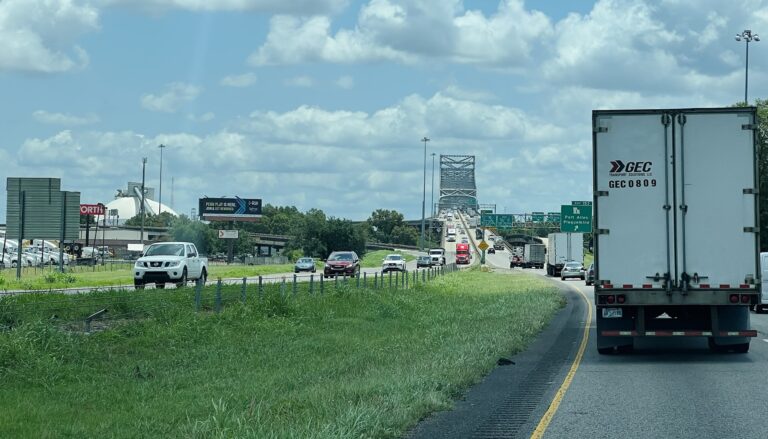
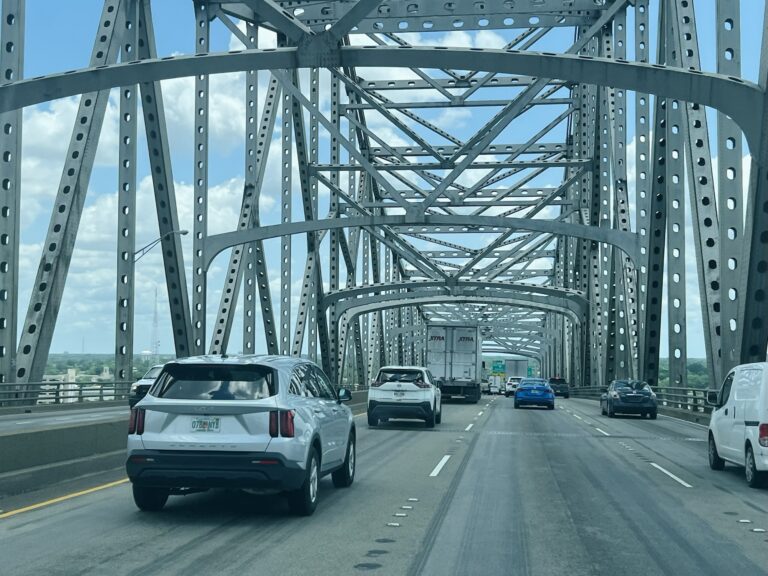
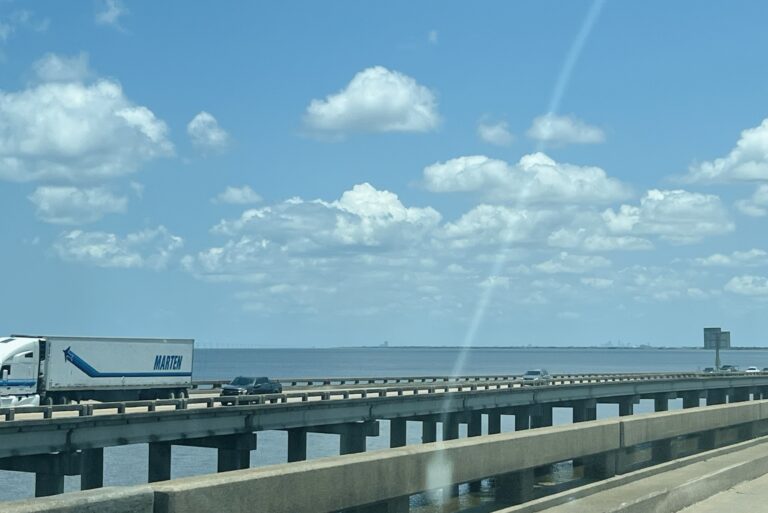
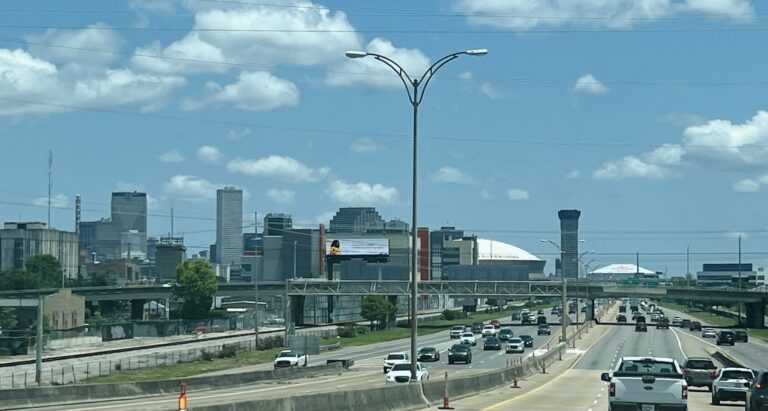
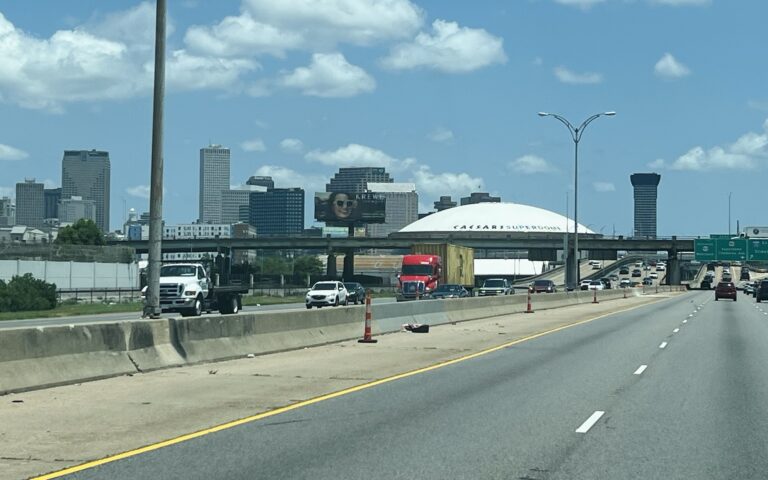
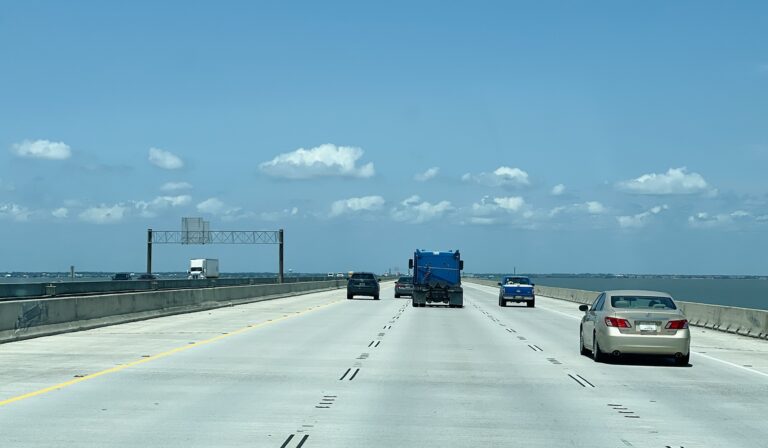
Beyond New Orleans, the miles bled together and the highway rhythm lulled the van into silence once more. The city fell behind, swallowed by the thick pines and swamps of eastern Louisiana, where the land softened before crossing into Mississippi. The road unfurled ahead in a shimmering mirage, stretching eastward through Louisiana and into Mississippi. The world outside the van was a blur of cypress swamps, steel bridges and the occasional roadside relic from another time. The remnants of the journey lay scattered among a month's detritus and empty water bottles.
Crossing into Mississippi, the air inside the van remained thick with unspoken thoughts, and the weight of nearing home pressed down on each of us in different ways. The enormity of what we had seen and done lingered in the gaps between words. The journey had carved itself into us, imprinting lessons we wouldn’t fully understand until much later when the van was parked for good and the road was nothing but a memory.
Crossing into Mississippi, the air inside the van remained thick with unspoken thoughts, and the weight of nearing home pressed down on each of us in different ways.
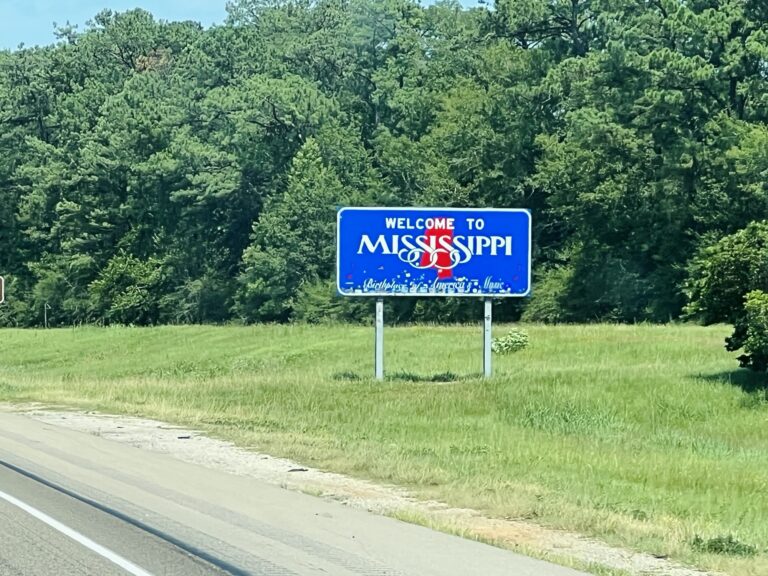
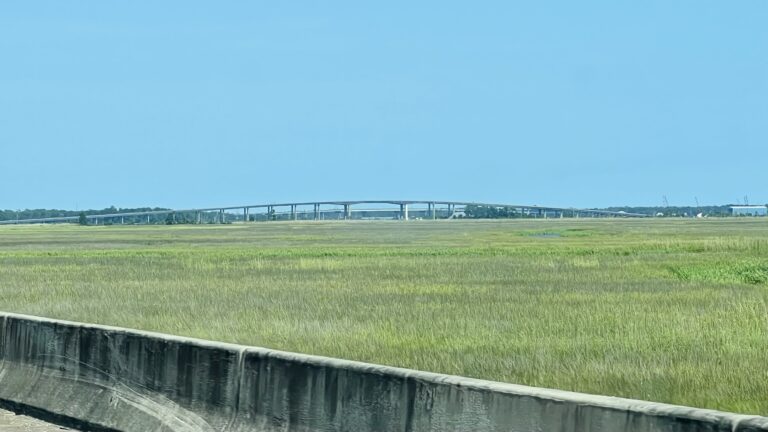
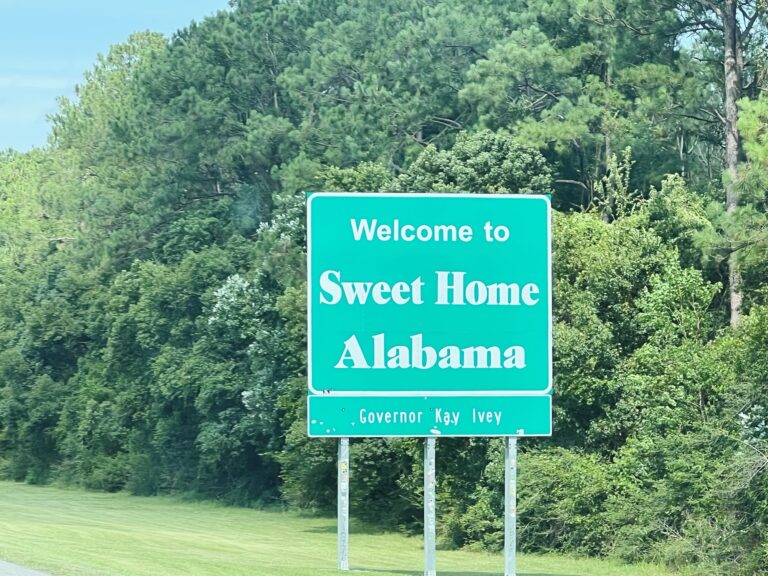
The road guided us back toward the familiar, and the deepening day softened the edges of exhaustion. Alabama welcomed us, the land itself infused with my earliest memories, and home was just over the horizon.
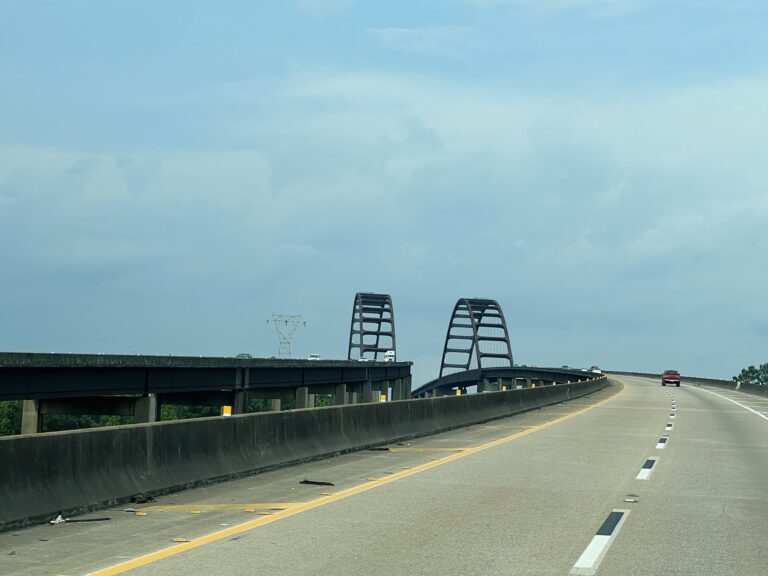
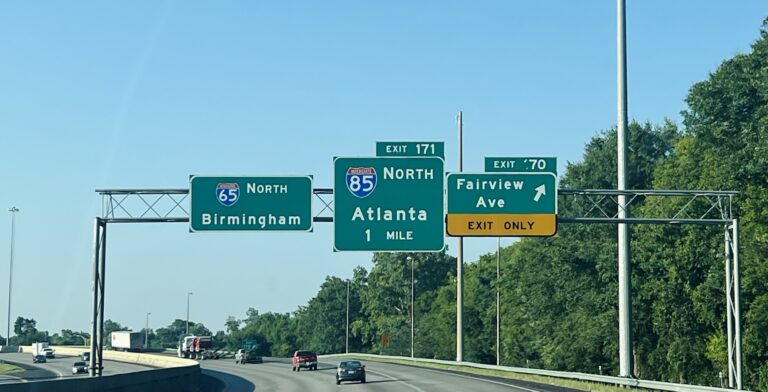
Crossing into Georgia, the weight of home became tangible. The trees were the right shade of green, and the humidity carried a scent I recognized without thinking. The road signs held names I had seen a thousand times, now with a meaning that had subtly shifted in my absence. Travel does that. It rearranges the furniture of the mind, making the familiar look just different enough to feel new. The way out is the way in. You only need to rearrange your thoughts to find the way.
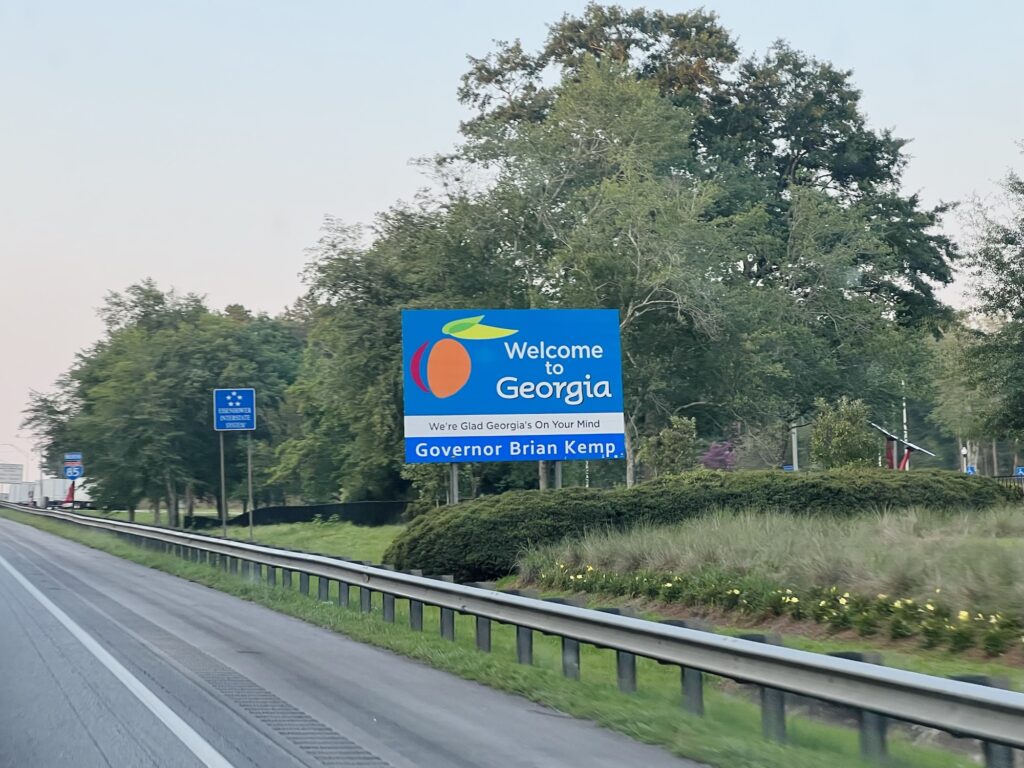
As the miles dwindled, the past month compressed into something dreamlike. The deserts of the West, the red rocks and towering trees, the distant oceans and empty roads all existed now in the same place as childhood memories and old songs heard in passing.
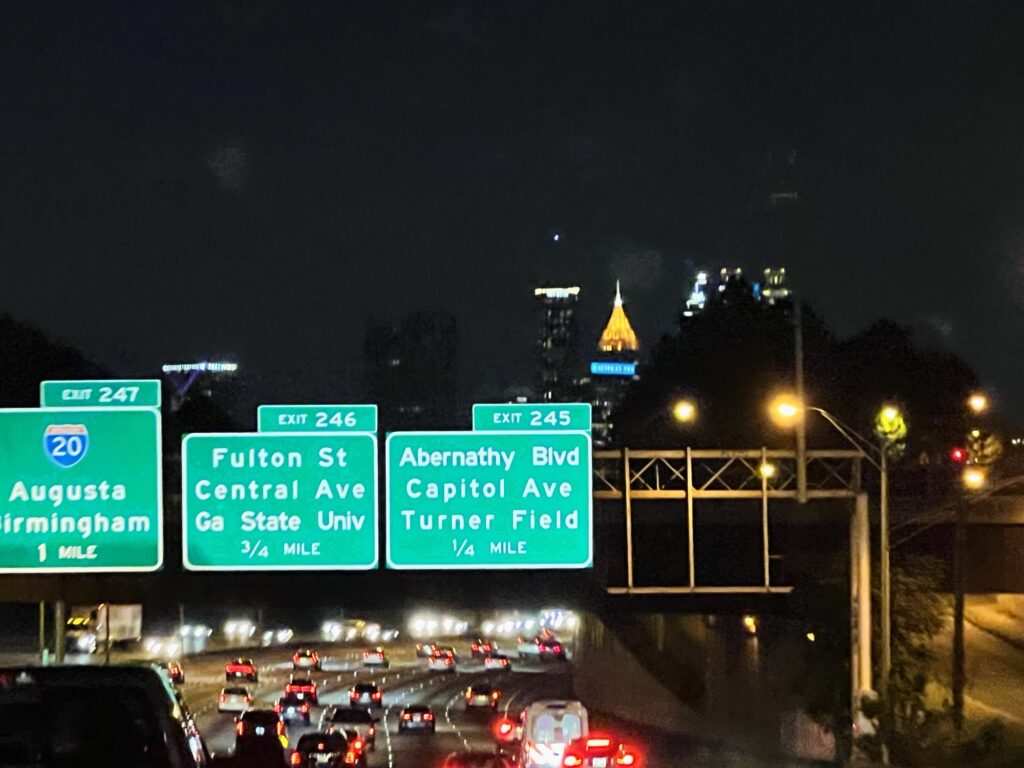
The final stretch home was in the inky darkness of night, and the sun had long expired below the horizon. There was no grand arrival and no final revelation, just the slow pull of familiar streets, the last turn into the driveway and the engine cutting off with a sigh. As we pulled into the driveway, the tires stilled and the doors opened. I sat behind the wheel for a moment, not turning the van off. I just sat there, taking it all in. A part of me wanted to cling to the movement, to keep driving and to keep pushing forward into the unknown, but another part understood that stopping was just as necessary as moving.
The road had taken us far and shown us the world's expanse, the weight of silence, the gravity of conversation, and the depth of connection forged through shared experience. And now, as the van doors opened for the last time, I knew that this was both an end and a beginning. The journey was over, but it had also left its mark, a shifting of perspective. Stepping out, the air smelled of pine and damp earth, the same as it always had, yet beneath that sameness was something new. The journey was over, but the movement did not end. The road had not left us behind. It had simply continued, waiting for us to find it again. There's always a new road to explore, a new town to call a temporary home, which will always remain, beneath an endless sky.
Click here for the National Park Service to explore some of the parks and monuments we’ve explored and more.