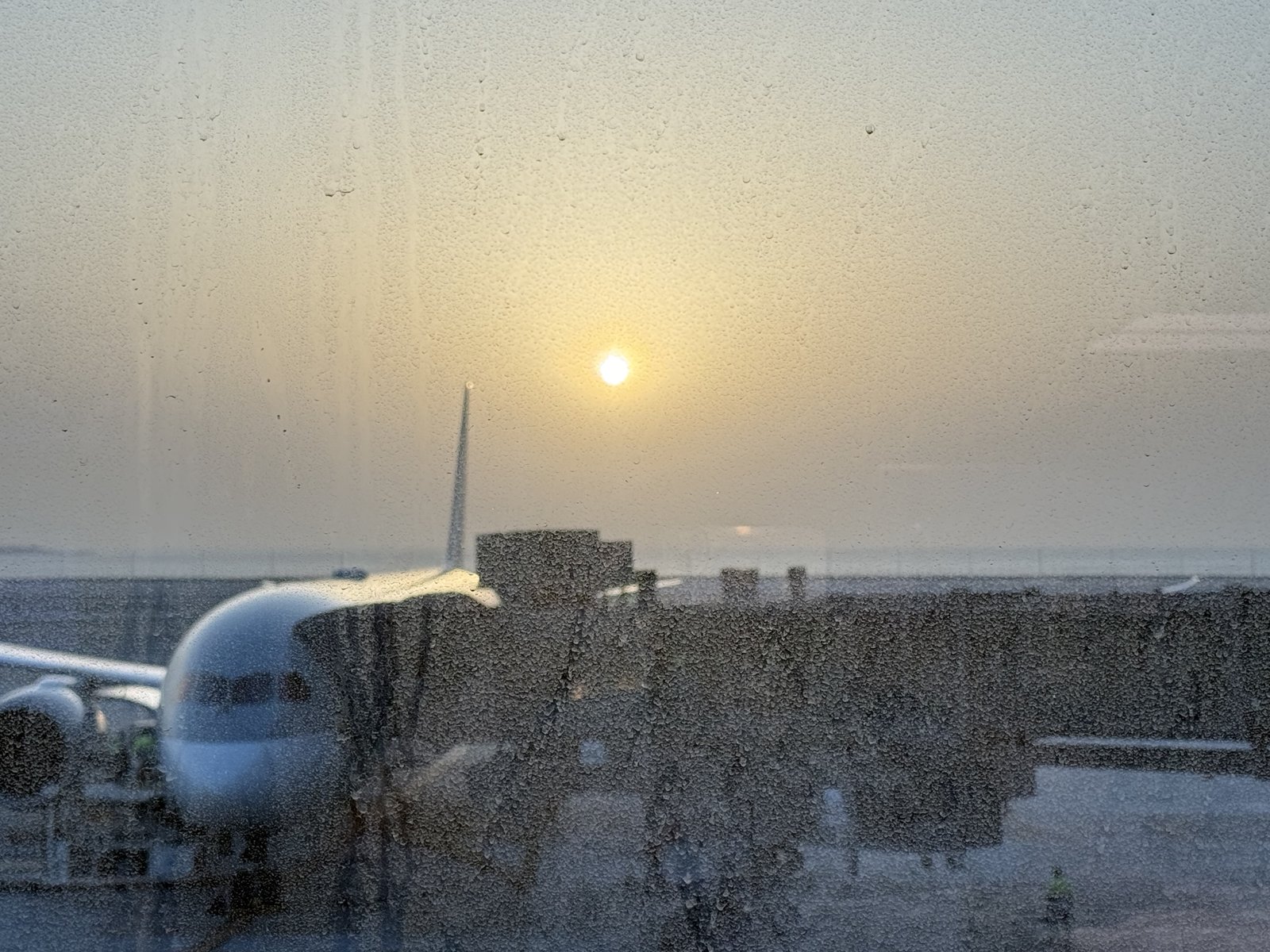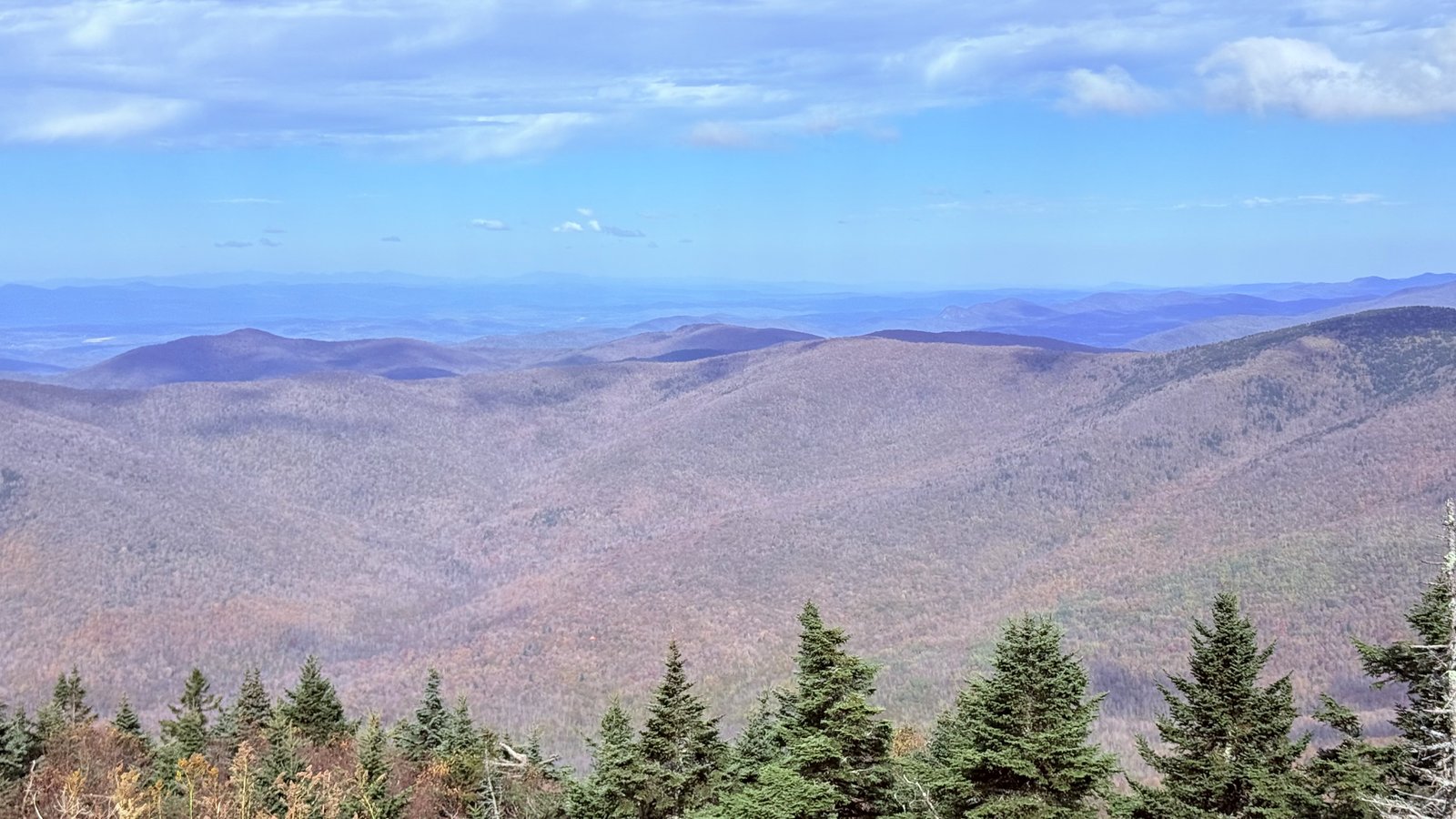
One of our favorite things to do is go on road trips. We've had some doozies. The one that crossed twenty-five states in thirty-four days became Beneath an Endless Sky. This one was smaller. Two of us, one rental, about four days, and a single goal: catch the leaves in New England before they fell. The weather had other plans, but we went anyway.
A Schlog of a Day
What a schlog of a day. Our flight got in early, and we picked up the rental at JFK relatively quickly, minus the fourteen freaking mile walk from our gate to baggage claim.
The Jeep I prepaid for was unavailable. The few Jeeps they did have had their rentals extended because of the weather, which is exactly why I ordered a Jeep in the first place. They upgraded me to a pimped a$$ Caddy SUV with a curved display across the whole front. Clean. I guess it will do.
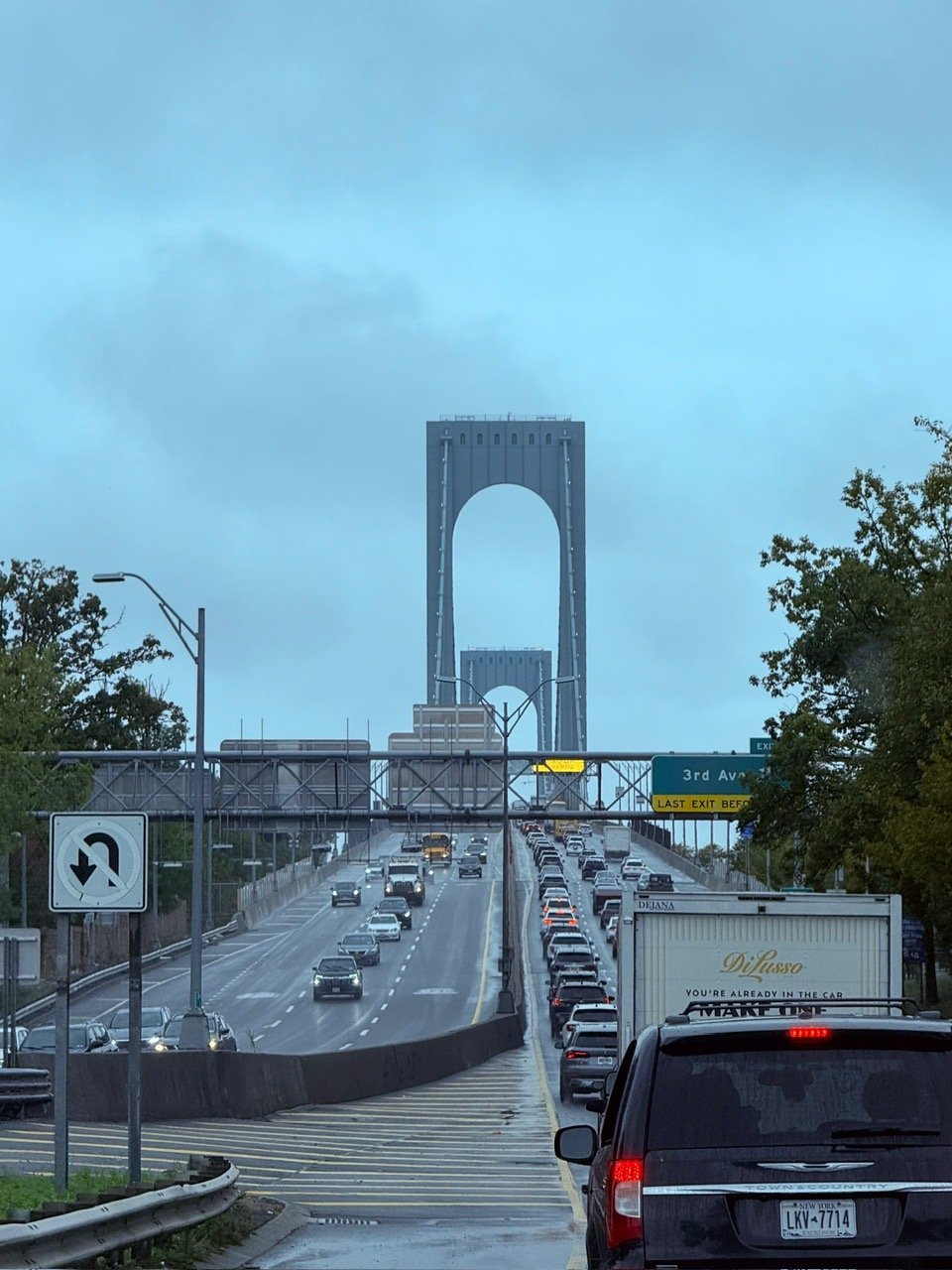
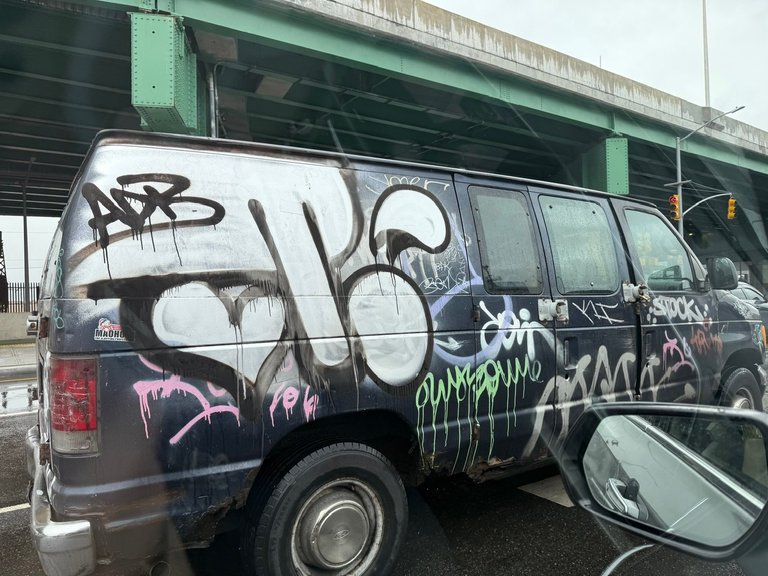
Then we proceeded to take four hours to drive about twenty miles. That's New York traffic on a stormy Saturday. You sit, you creep, you look out the window, and you take pictures of whatever is sitting next to you. In our case, a van that somebody had turned into a rolling canvas.
The Cloisters
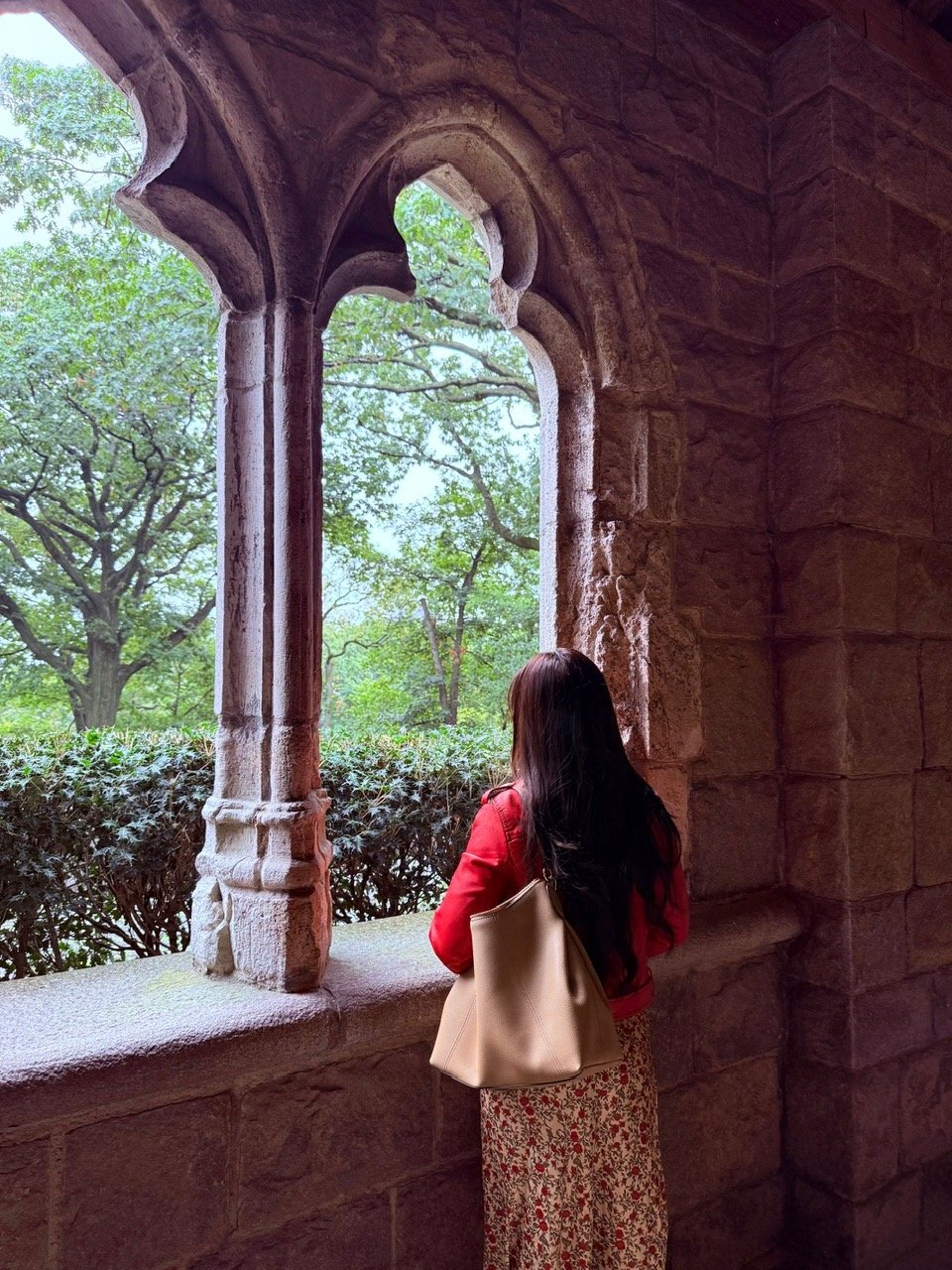
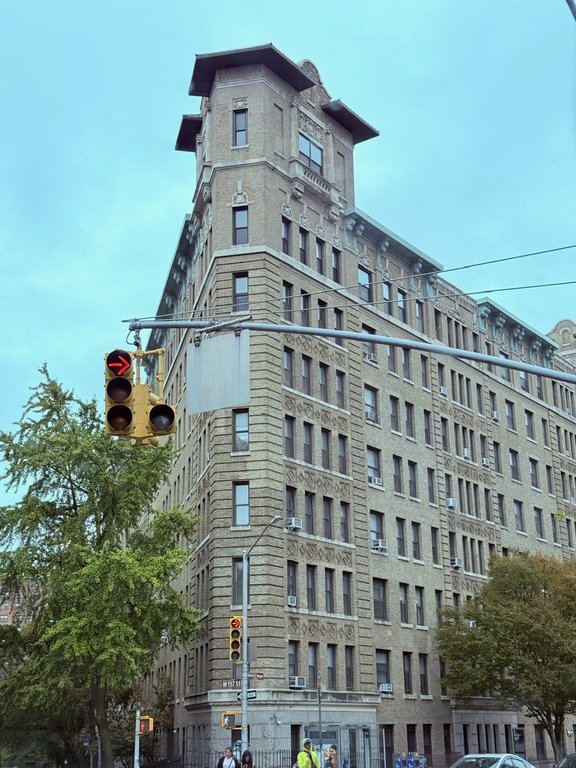
Our first real stop was the Cloisters, way up near the northern tip of Manhattan in Fort Tryon Park. It was an incredible stop on our road trip, and I'd recommend it to anybody who thinks they've seen New York.
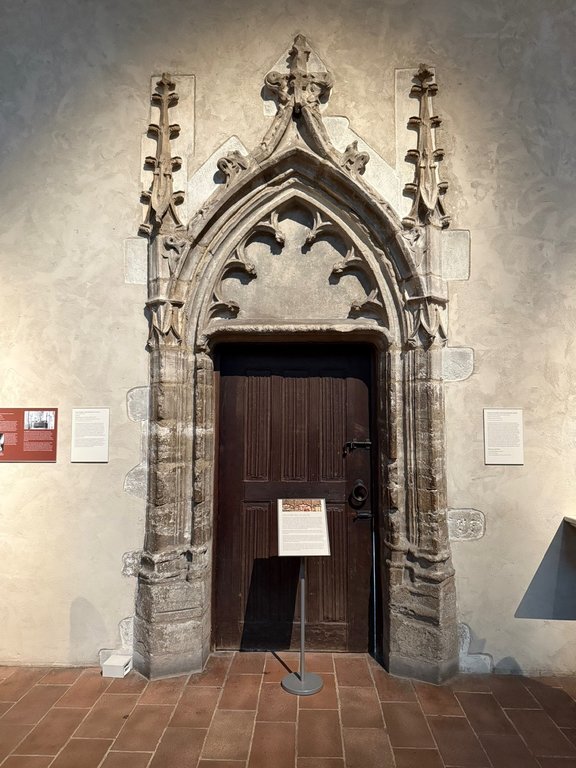
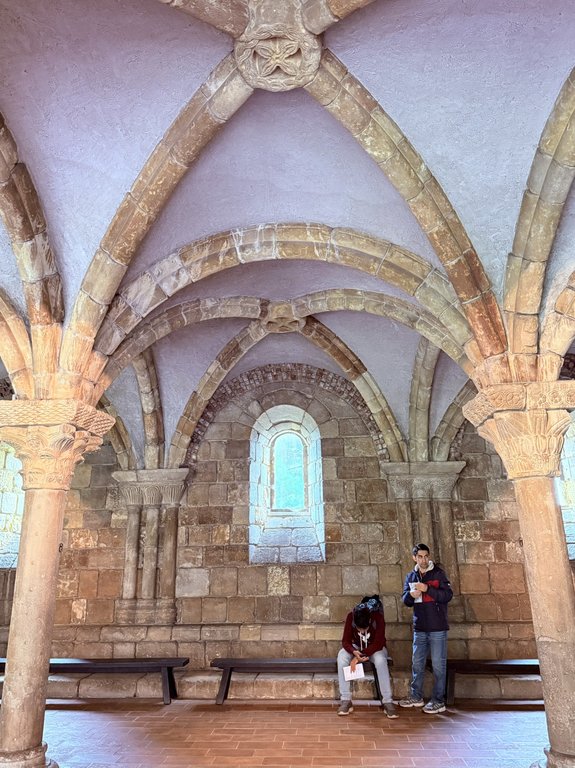
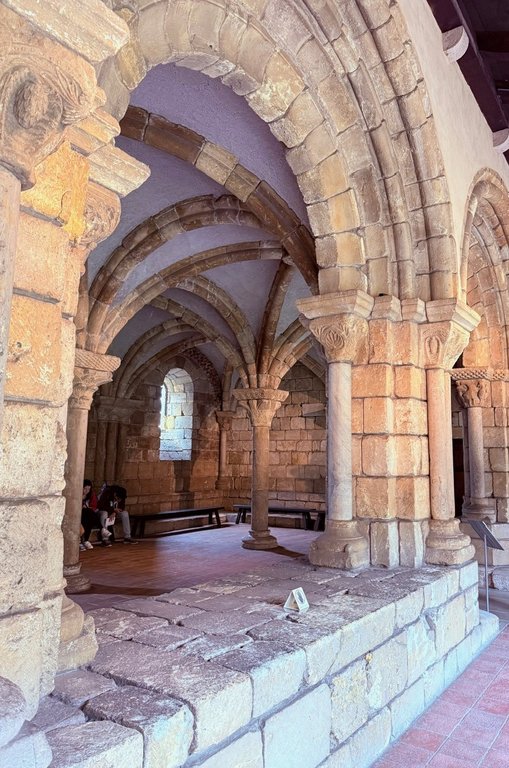
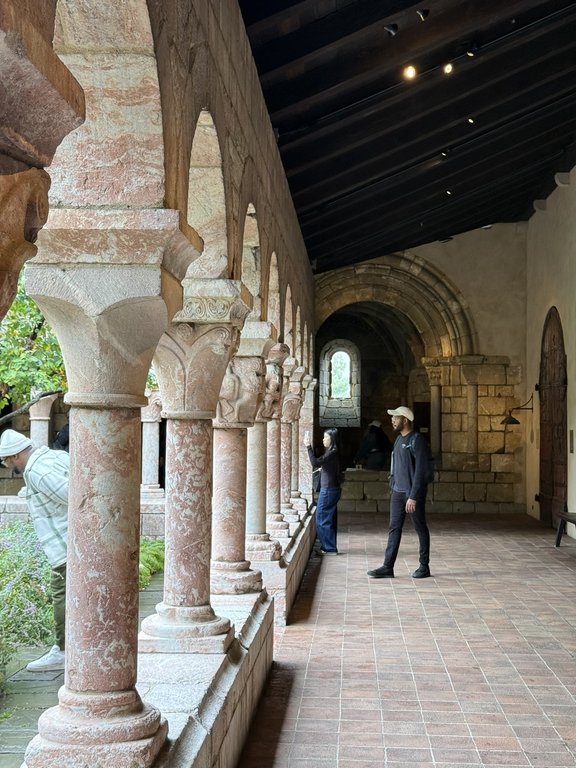
Here's the thing about the Cloisters. It looks like an old monastery. It feels like an old monastery. But it was built in the 1930s. The Metropolitan Museum of Art put it together as its home for medieval art, and they built it out of actual pieces of medieval Europe. Arcades, doorways, chapels and stonework were taken from abbeys and churches in France and Spain, shipped across the Atlantic and reassembled on a hill above the Hudson River. It opened in 1938.
Two men made it happen. The first was a sculptor named George Grey Barnard, who spent years combing the French countryside for medieval stonework, much of it sitting in barns and fields, and brought it home to New York. He opened his collection to the public on Fort Washington Avenue in 1914. The second was John D. Rockefeller Jr. He paid for the Met to buy Barnard's collection in 1925, bought the land that became Fort Tryon Park and gave it to the city, and paid for the building. In 1933 he also gave several hundred acres of clifftop land on the New Jersey side of the river to the Palisades park, which is part of why the view from the Cloisters is still green. That's a man who thinks about the long game.
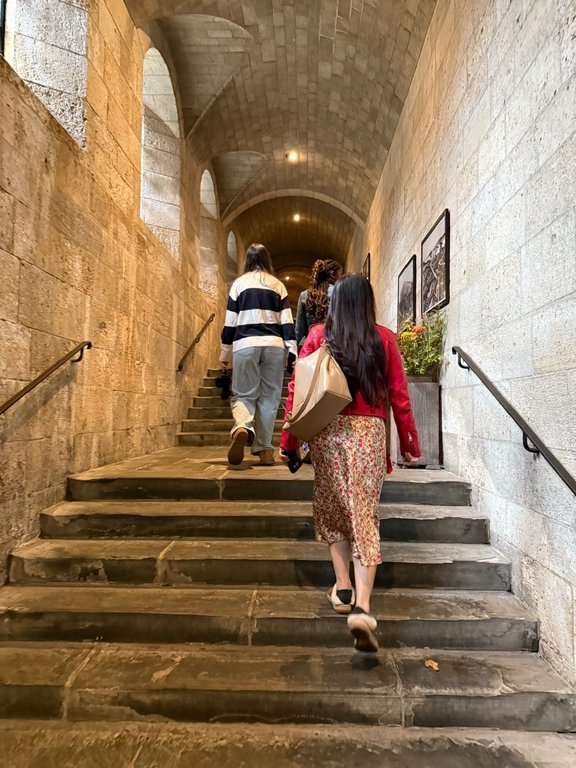
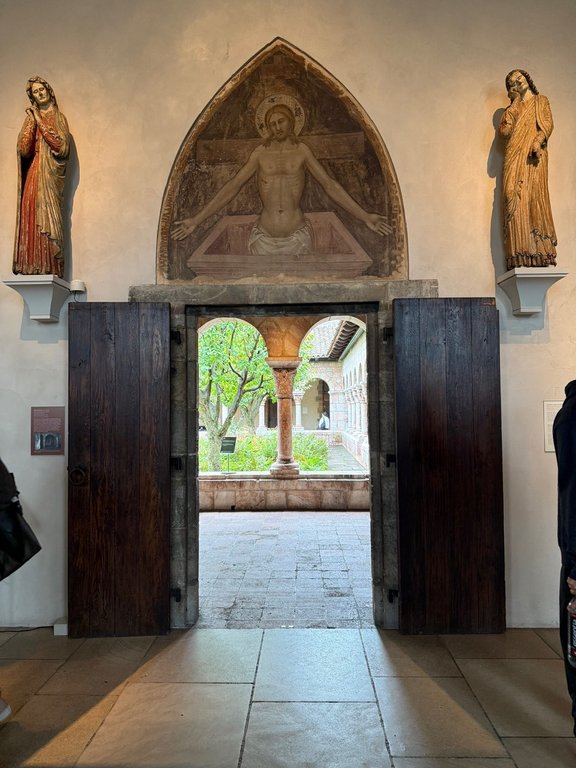
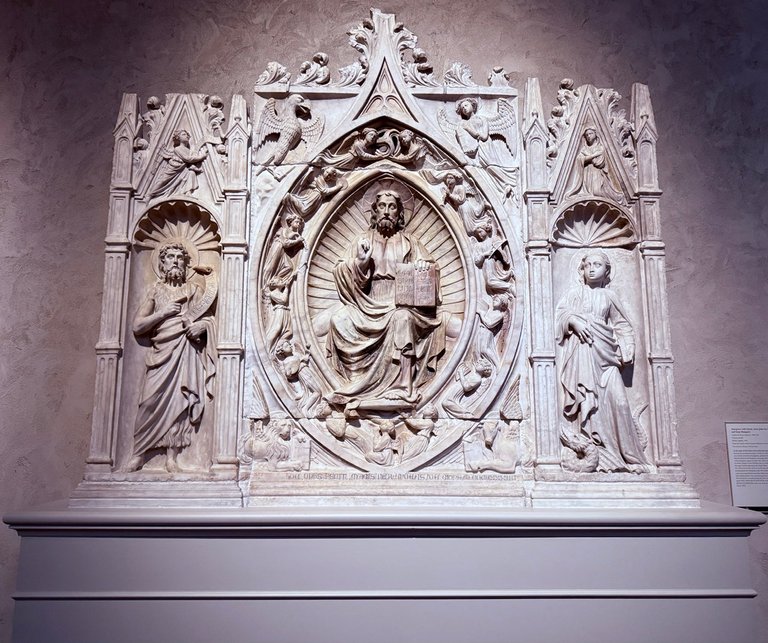
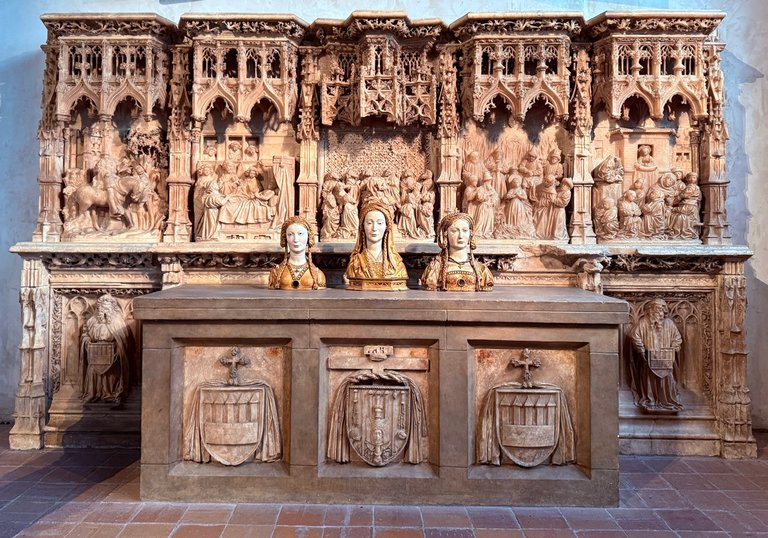
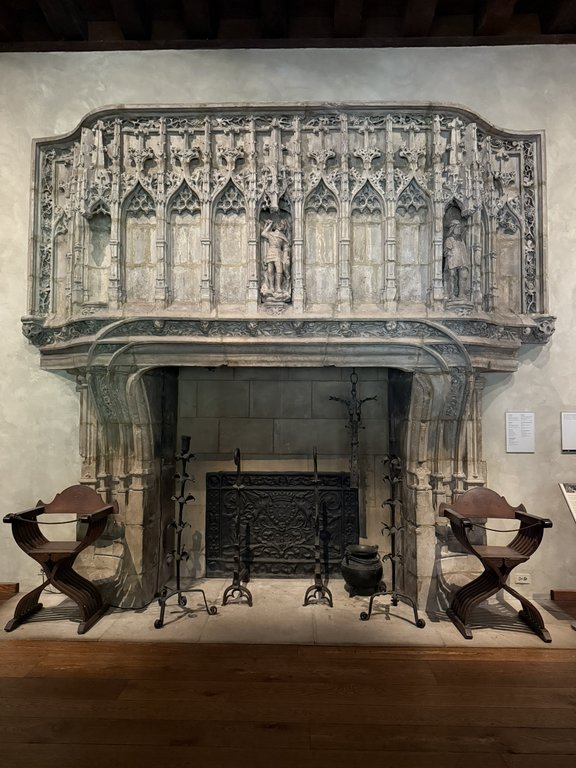
Inside, it is a maze of chapels, halls and courtyards. Stone tombs with their Gothic tracery. Carved altarpieces. A fireplace big enough to roast something serious in. Painted saints in their niches looking down on you the way they've looked down on people for seven or eight hundred years. The Cloisters holds about two thousand works, most of them from the twelfth through the fifteenth centuries.
And the tapestries. The Cloisters has a number of incredible ones, and the most famous are the Unicorn Tapestries, seven hangings woven around 1495 to 1505 that tell the story of a hunt for a unicorn. They were in the family of the French dukes of La Rochefoucauld for centuries. Rockefeller bought them in 1922 and gave them to the Met. The detail is unbelievable. Botanists have identified more than eighty of the plants in them. They were woven by hand with wool, silk, silver and gilded thread, and they still look alive five hundred years later.
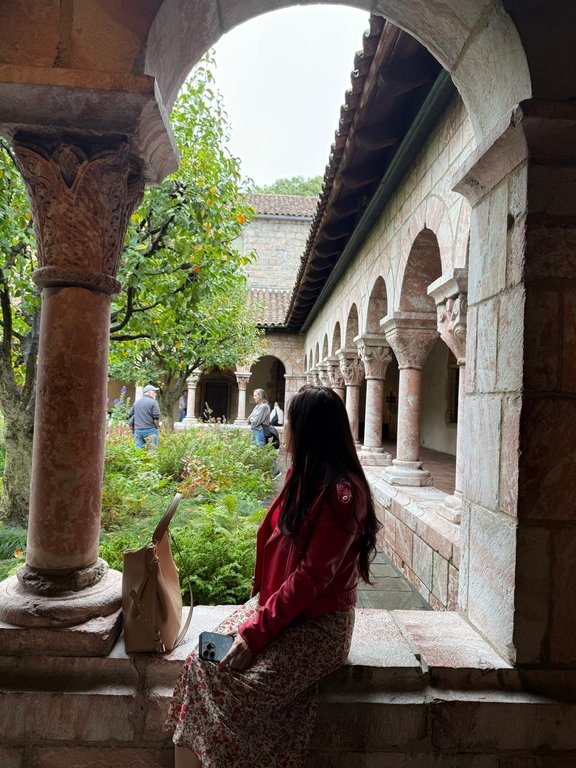
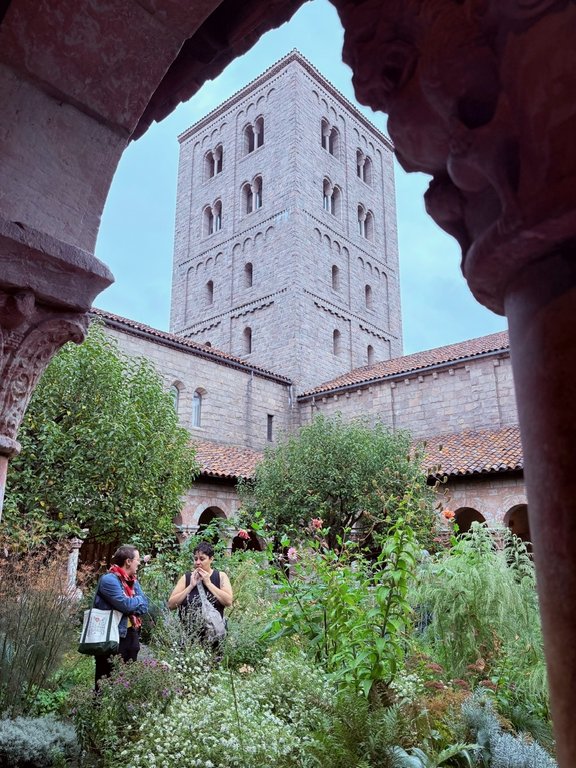
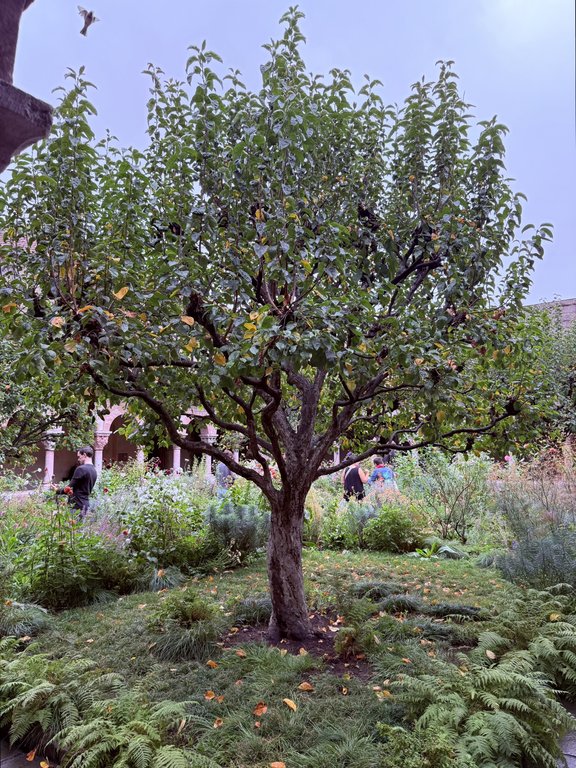
Three of the cloisters are built around gardens, planted from medieval treatises and herbals with the kinds of herbs, fruits and flowers people grew then, for the kitchen, for medicine and for the altar. Even in the fog, in October, it was green.
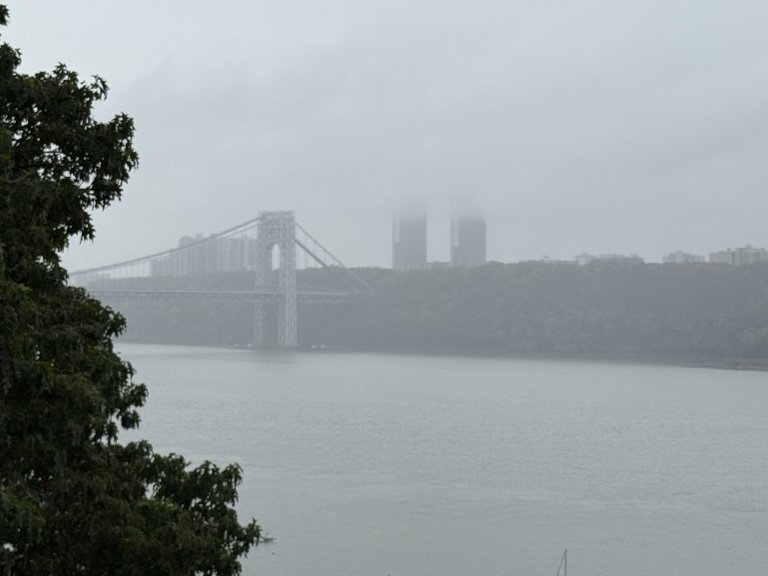
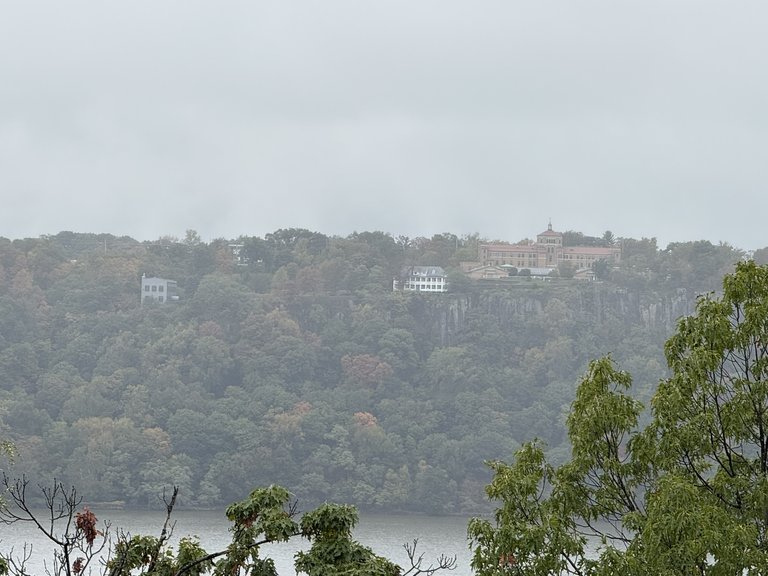
From the terrace you can look out over the Hudson. On a clear day you'd see the George Washington Bridge in all its glory. We got the bridge in fog, its towers just about disappearing into the clouds, and the Palisades across the river in a gray haze. The clifftops Rockefeller helped protect. I'll take it.
The Taconic
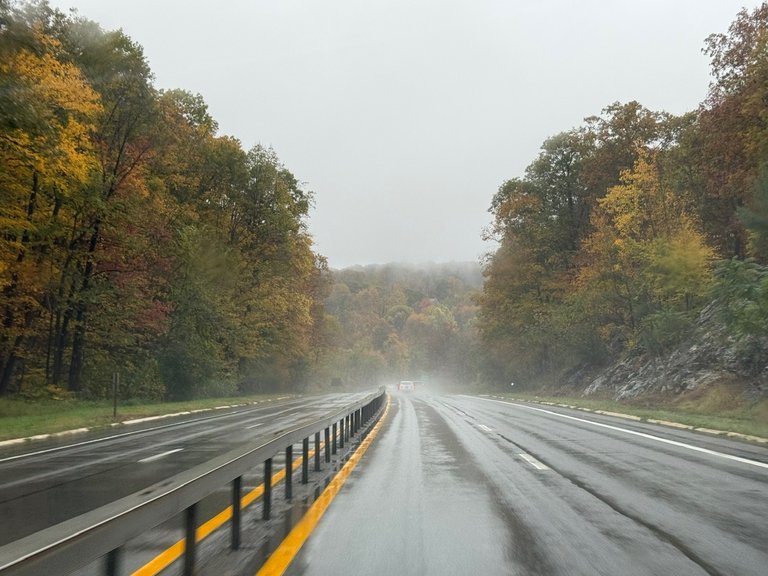
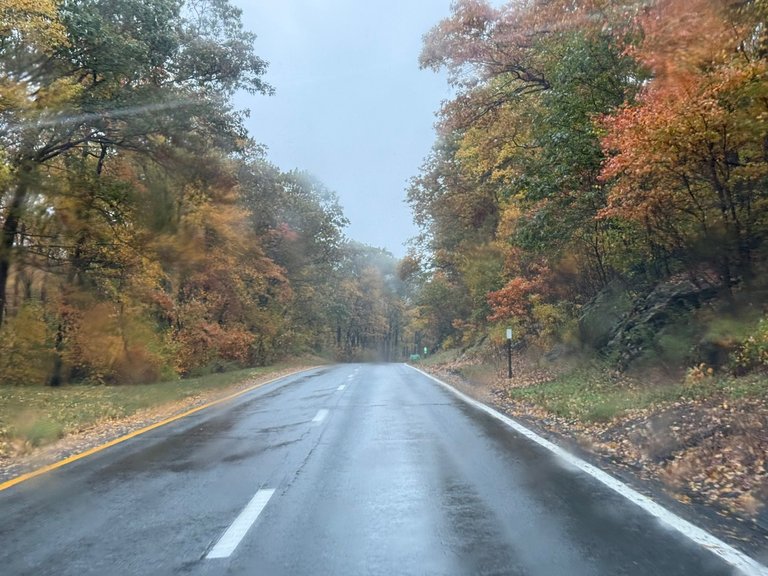
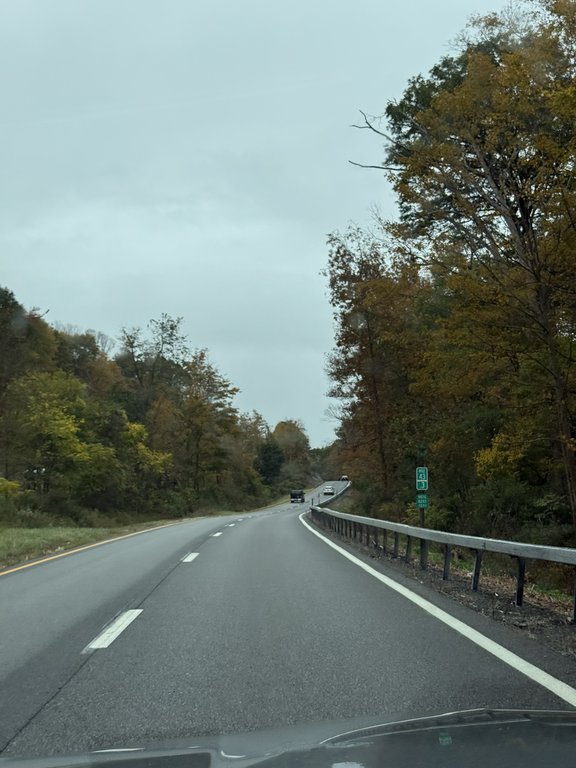
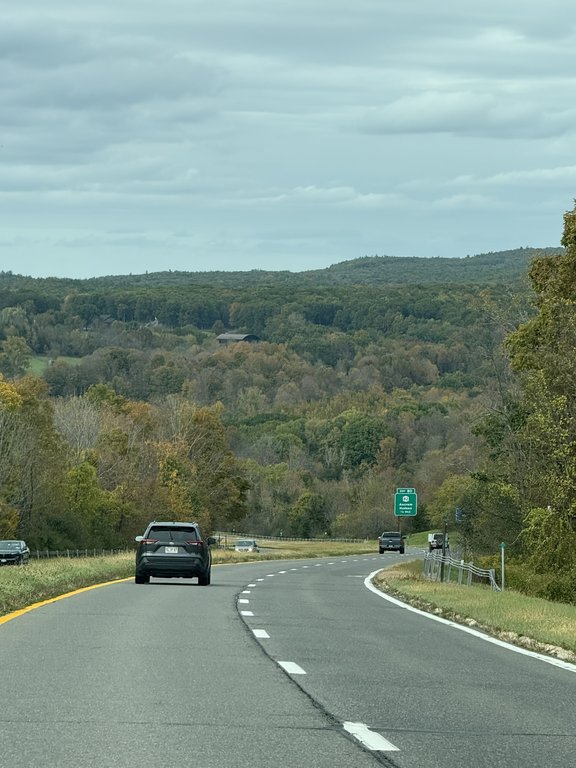
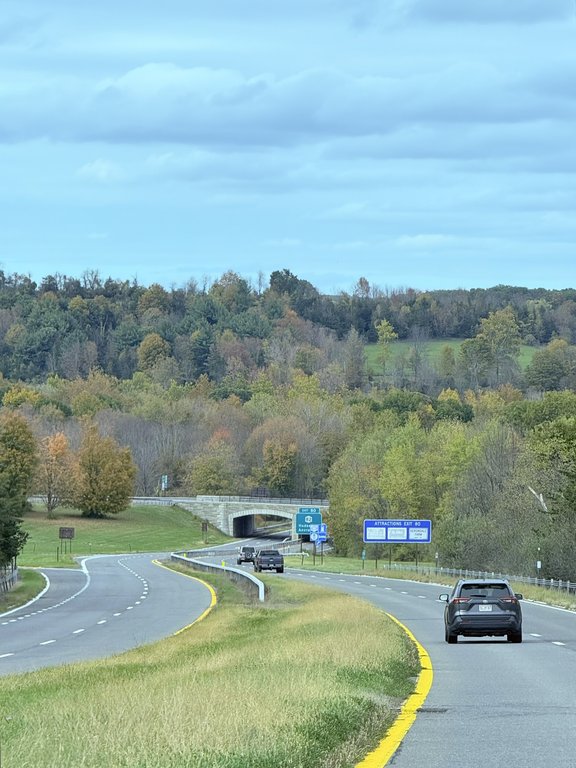
From there we hit the Taconic State Parkway and pushed over a hundred miles north in mostly rainy conditions. It's a beautiful road. It's also, at times, very tight and racetrack like.
There's a reason for that. The Taconic was built as a parkway, a road meant for driving through scenery. Franklin Roosevelt chaired the state commission that planned it and proposed the route in 1925, and the road was built in sections from 1929 until the last stretch opened in 1963. It was designed to follow the land, to bend around the hills and give you a view around every corner. Built for Model A's and Sunday drives, now carrying Caddy SUVs. You feel every one of those years in the curves.
Hudson
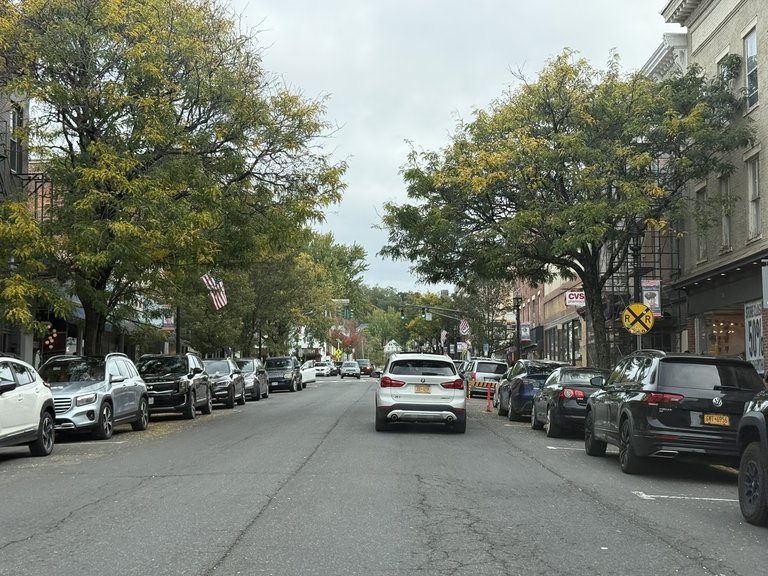
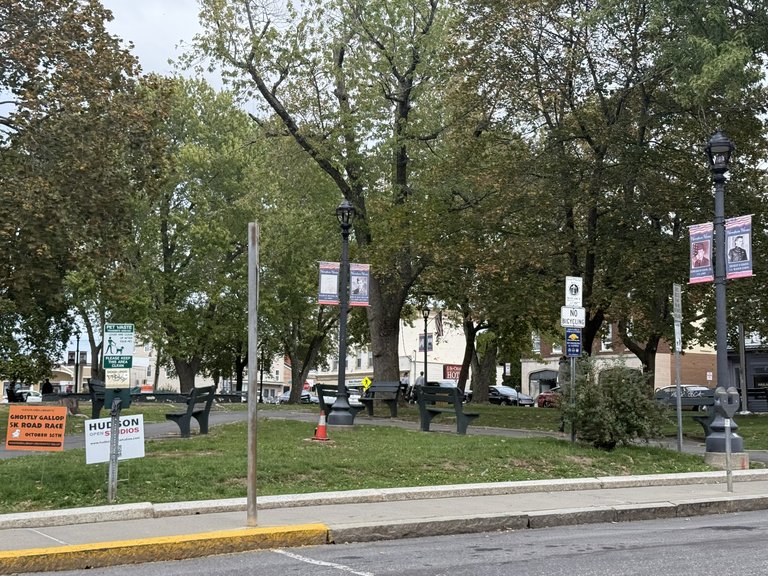
We took a detour through Hudson, a picturesque little Empire State town on the east bank of the river. The Hudson River Valley slowly began to open up around us, though we never found any real sun.
Hudson has a funny history. It was settled in the 1780s by whalers and merchants from Nantucket and Providence, who came up the river looking for a new home port for their whaling business. A whaling port, more than a hundred miles from the ocean. It was a busy river city for a long time, then a rough one, and these days its main street, Warren Street, is lined with old brick storefronts full of antique shops, galleries and restaurants. Then it was on to the mountains.
Into the Berkshires
As the afternoon grew late and the shadows long, we finally crossed into the Berkshires of Massachusetts under a partly cloudy sky. By then the sun was already below the mountains, offering no aid.
The Berkshires are the western edge of Massachusetts, a rolling range of old, worn down mountains covered in hardwood forest. Old is the key word. These hills are some of the most ancient in America, and you can see it. Nothing is sharp. Everything has been rounded off by time. In October, those forests turn every color there is.
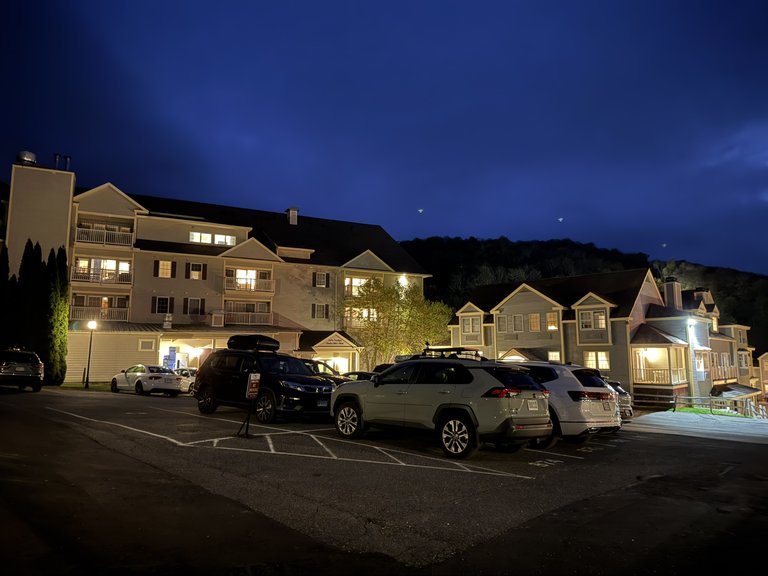
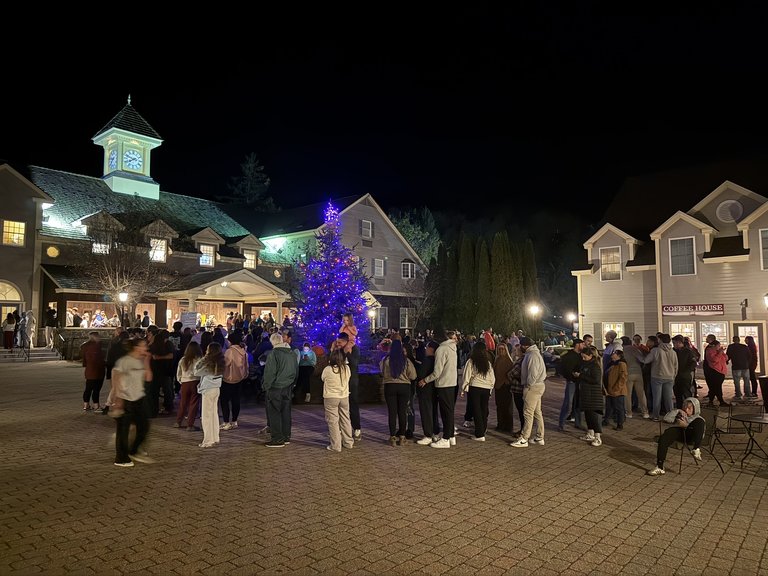
Our home for the night was in Hancock, at a quaint little ski resort tucked into the hills. It was filled with pre-ski people doing just what we were doing. Wandering for a time in the great rolling hills of America's ancient forests and farmland to see the colorful effects of a coming winter. When we pulled in after dark, the courtyard in the middle of the resort was packed with people, with a tree lit up in blue lights.
Bluebird and Co
We had been eating most of the day, but we wanted something lively to close out the day. So we walked down the hill to a gem of a restaurant called Bluebird and Co.
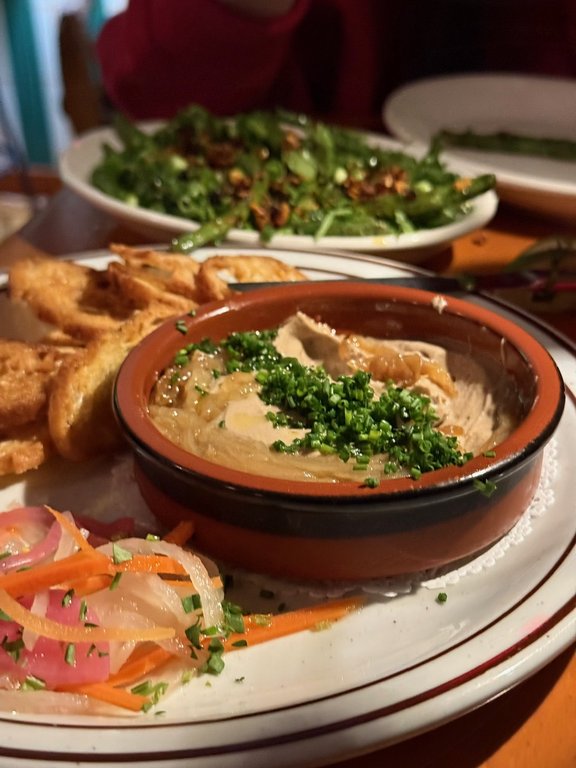
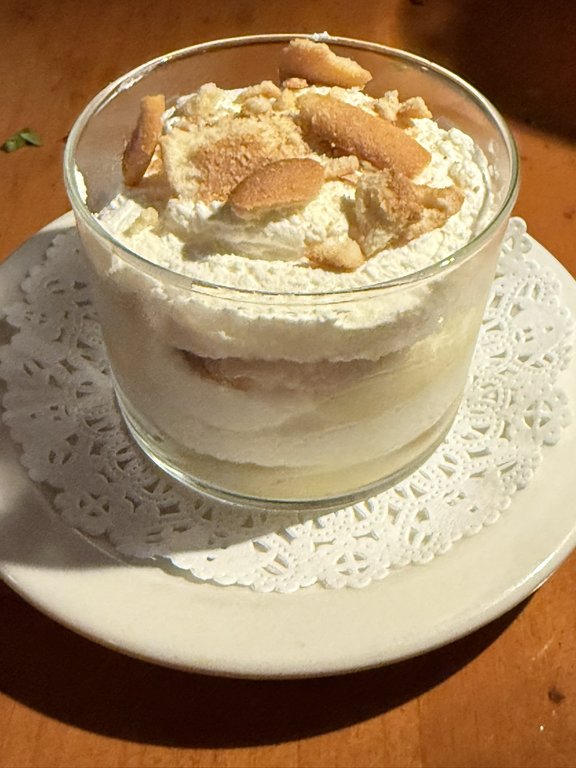
We kept it to bar snacks. A mushroom dip, caramelized onions and pickled vegetables. And an odd addition to any mountain bar menu, blistered green beans with chili crisp, mint and cilantro. That's a dish you'd expect at a Chinese spot in Atlanta, not a ski lodge bar in western Massachusetts. Chili crisp has gone from a Chinese pantry staple to something you find on bar menus in the mountains of New England. There was banana pudding too.

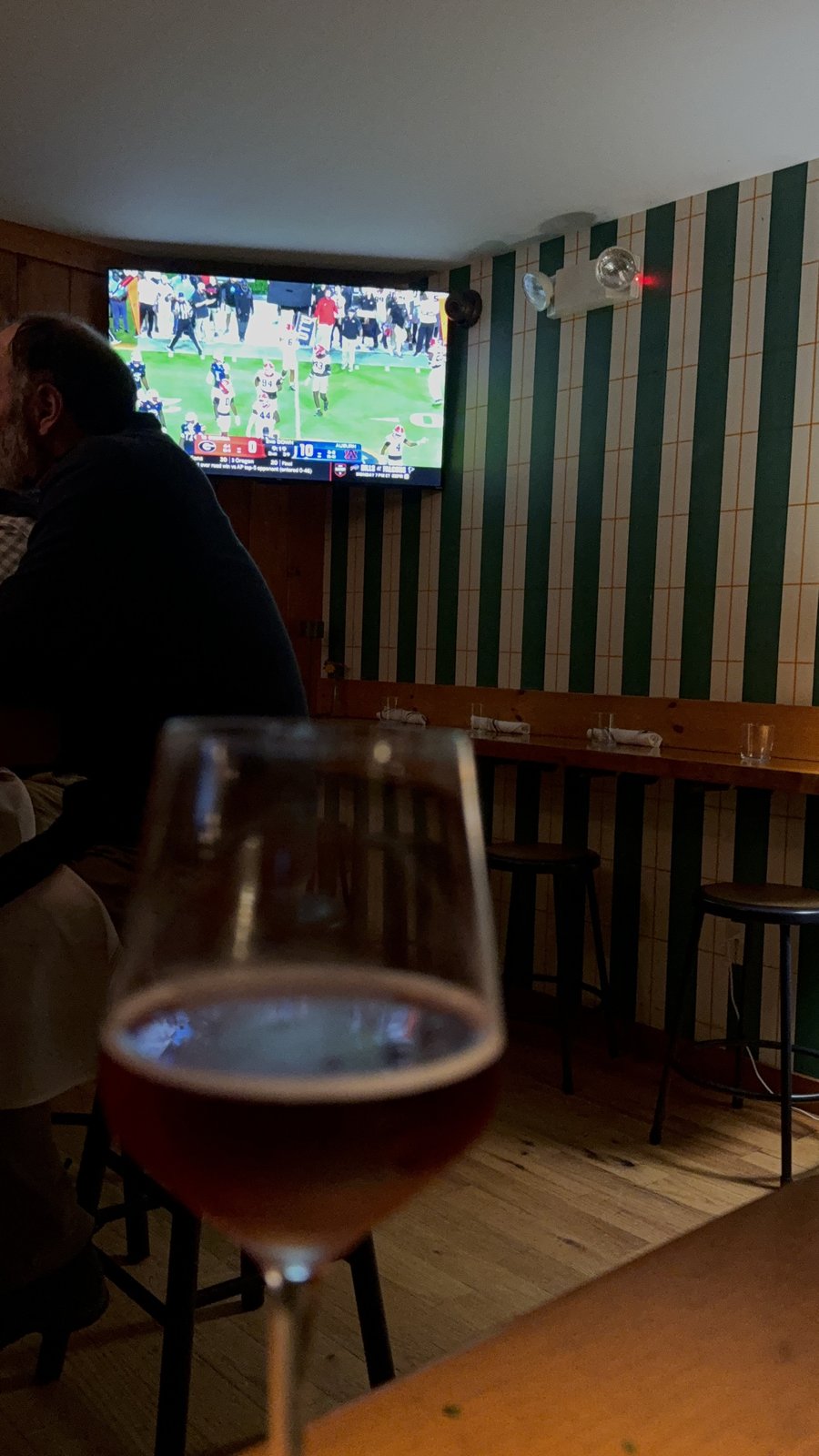
We washed it down with a local cider from the Berkshire Cider Project, their Bluebird cider. Hard cider is about as old as New England itself. The early colonists planted apple orchards everywhere they went, and for a couple of centuries cider was what people drank, morning, noon and night, at a time when people trusted it more than the water. Then came the temperance movement, Prohibition and the rise of beer, and cider all but disappeared for most of the twentieth century. The small cideries of New England have been bringing it back.
They happened to have the Georgia Auburn game on. And I enjoyed my cider as Bob Seger sang "Against the Wind" on the bar's jukebox. There are worse ways to end a schlog of a day.
If the weather permitted, tomorrow we hoped to see covered bridges, mountain passes, picturesque red barns and autumn colors everywhere. More on that next week.
If the weather permitted, tomorrow we hoped to see covered bridges, mountain passes, picturesque red barns and autumn colors everywhere.
More road trips: Beneath an Endless Sky