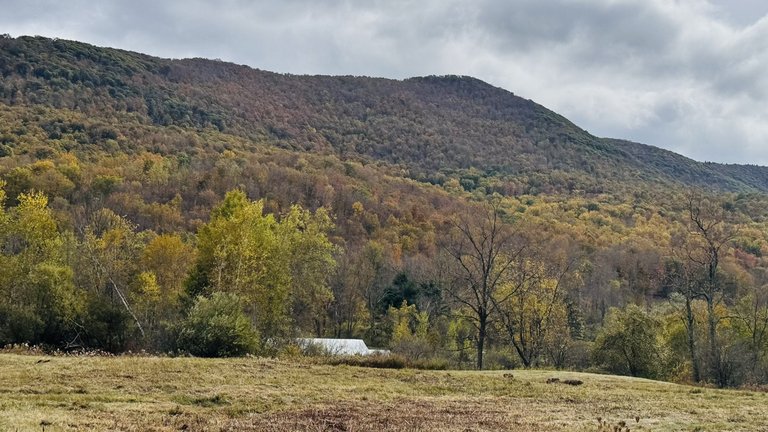
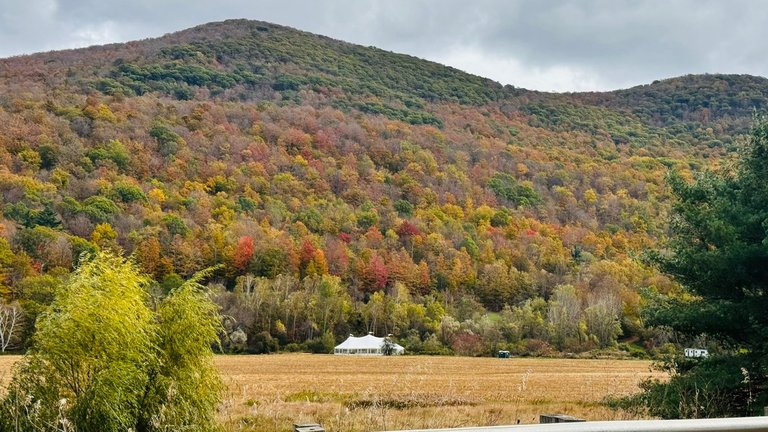
The rain that had followed us up from New York had moved on. The sky over the Berkshires was a sun filled, partly cloudy blue, and the mountains around Hancock were finally showing us the color we came for.
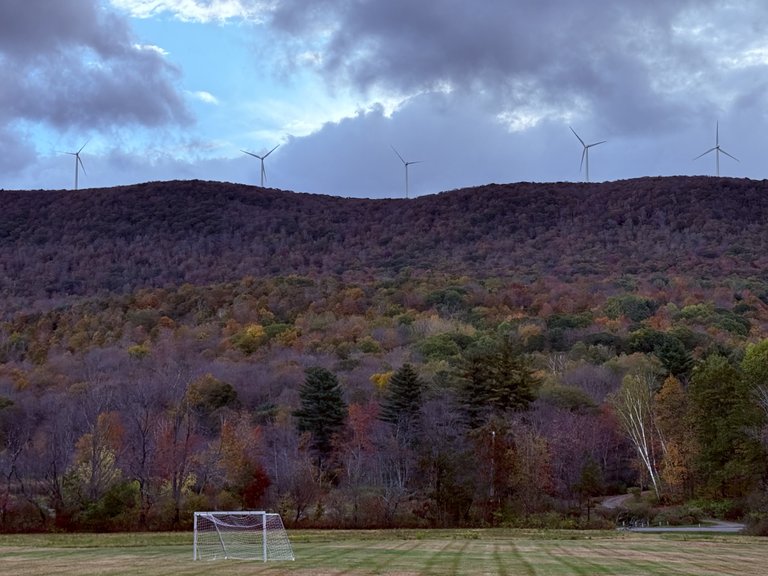
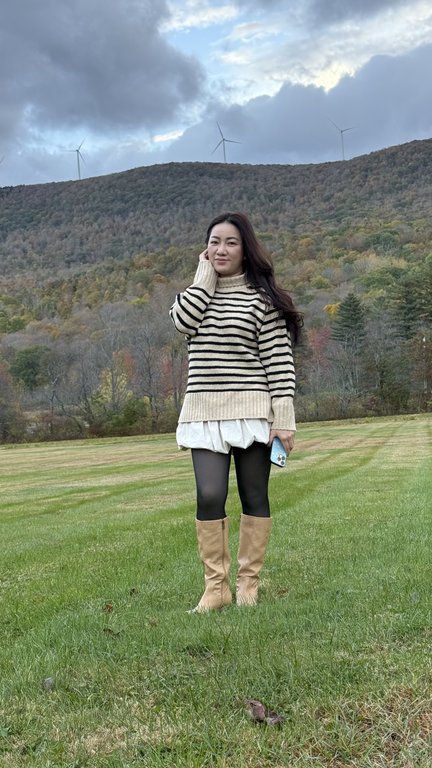
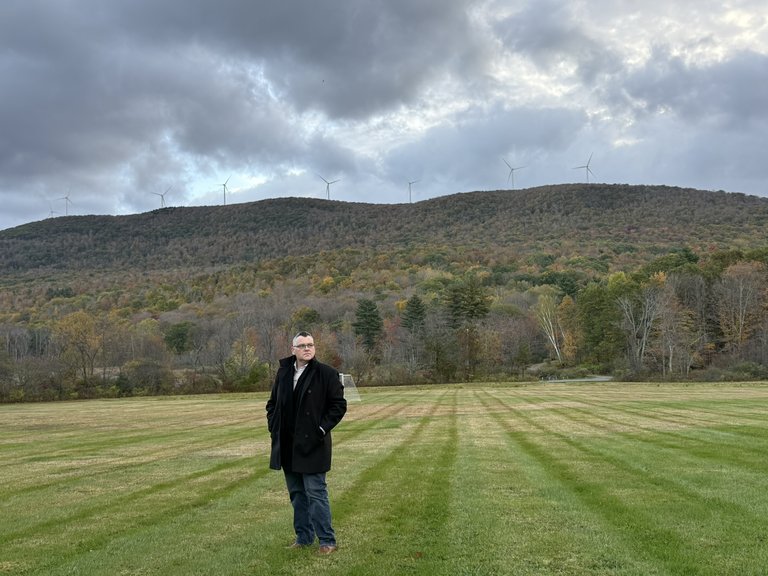
The morning stretch was relaxed. A walk in a wide green field under a ridge lined with wind turbines, the hills behind it just starting to burn orange. Not a bad way to start a day.
Williamstown
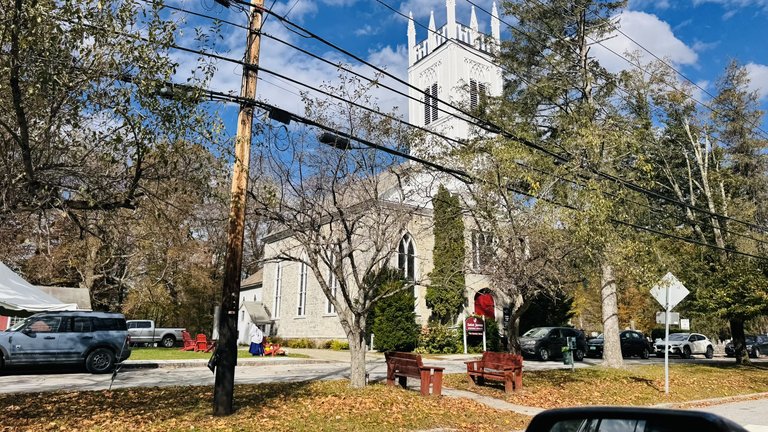
We strolled up to Williamstown, in Berkshire County, the northwesternmost corner of Massachusetts. A picturesque town. All towns in this corner of the world just are, a fact I would learn as the day went on.
Williamstown is a beautiful little college town, home to Williams College, one of the elite private colleges in the country. The town is just over seven thousand people, and it has some outsized, incredibly beautiful campus architecture. No doubt thanks to some substantial endowments.
The college and the town both carry the name of the same man, Colonel Ephraim Williams Jr. He was a Massachusetts militia officer who was killed in 1755, in the French and Indian War, at a fight near Lake George that history remembers as the Bloody Morning Scout. Before he marched off, he wrote a will leaving money for a free school in the frontier town of West Hoosac, on the condition that the town change its name to Williamstown. It did. The school opened in 1791 and became Williams College two years later. A dead man's will built one of the best colleges in America. That's a legacy.
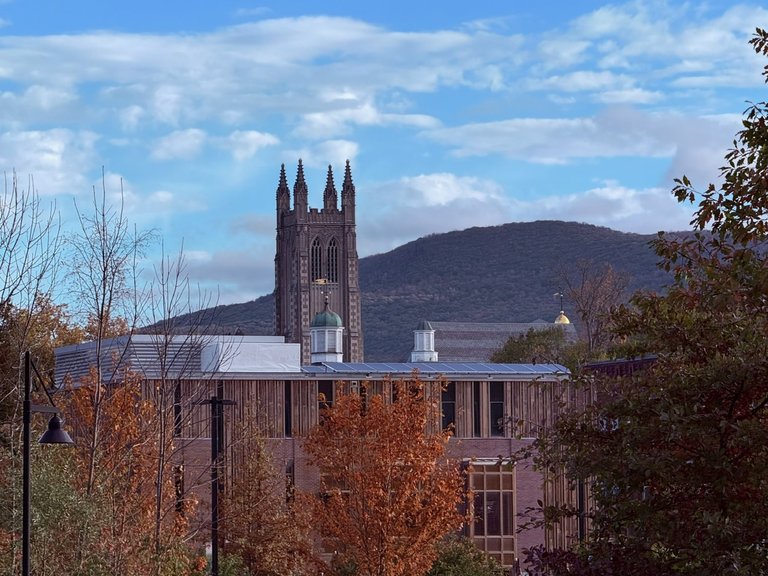
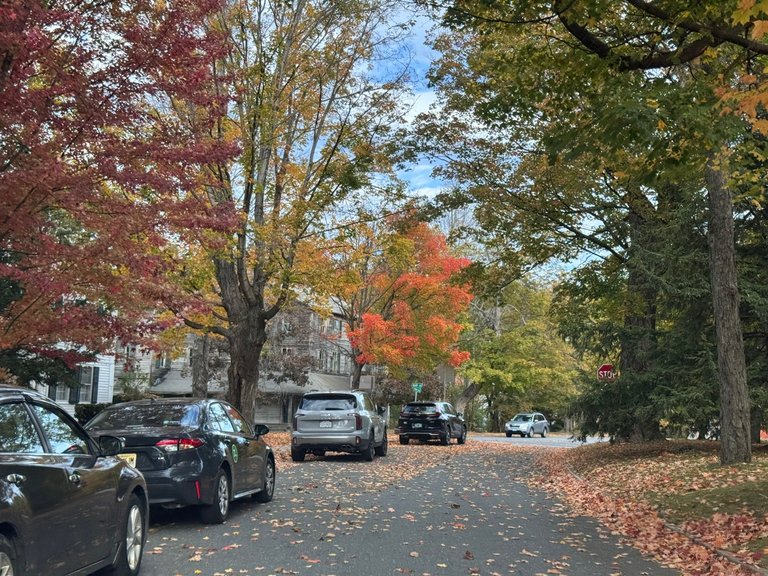
Breakfast at the Williams Inn
We settled into a table for two in the beautiful little restaurant tucked into the stunning Williams Inn. I say settled. It took some doing.
We were greeted by a slightly passive aggressive hostess, who seemed offended when I asked if we were the first customers. I was peering into an empty dining room with a bar in the corner.
"No. You're just looking at the bar. Do you have a reservation?"
"Do we need one?" I asked, from a strictly uninformed stance.
"We advise all our diners to make a reservation."
"Oh," I sighed, as someone who had just realized he unknowingly started the next world war.
"Up," she said, in a rather upbeat phonetic that implied she had just discovered the cure for cancer. "I just so happen to have one teeny weeny table that doesn't have a 9:00 a.m. reservation."
"We'll take it!" I said, pointing a finger upward in some sort of affirmative gesture.
We proceeded to be seated at a two top that might as well have been in the server's station, the other half of it blocking the kitchen door. But our server was kind, the coffee was good, and it was a beautiful setting for a morning breakfast. Twenty years in restaurants and I still can't help but notice where they put you.
After breakfast we grabbed coffee at Tunnel City Coffee in downtown Williamstown. The name is a nod to the next town over. North Adams was once known as Tunnel City, for the Hoosac Tunnel, a railroad tunnel bored nearly five miles through the Hoosac Range in the 1800s. It took about a quarter century to build, and close to two hundred men died building it. Then it was time to head for Vermont.
Bennington
We pushed north through picturesque town after town. Bennington was particularly beautiful.
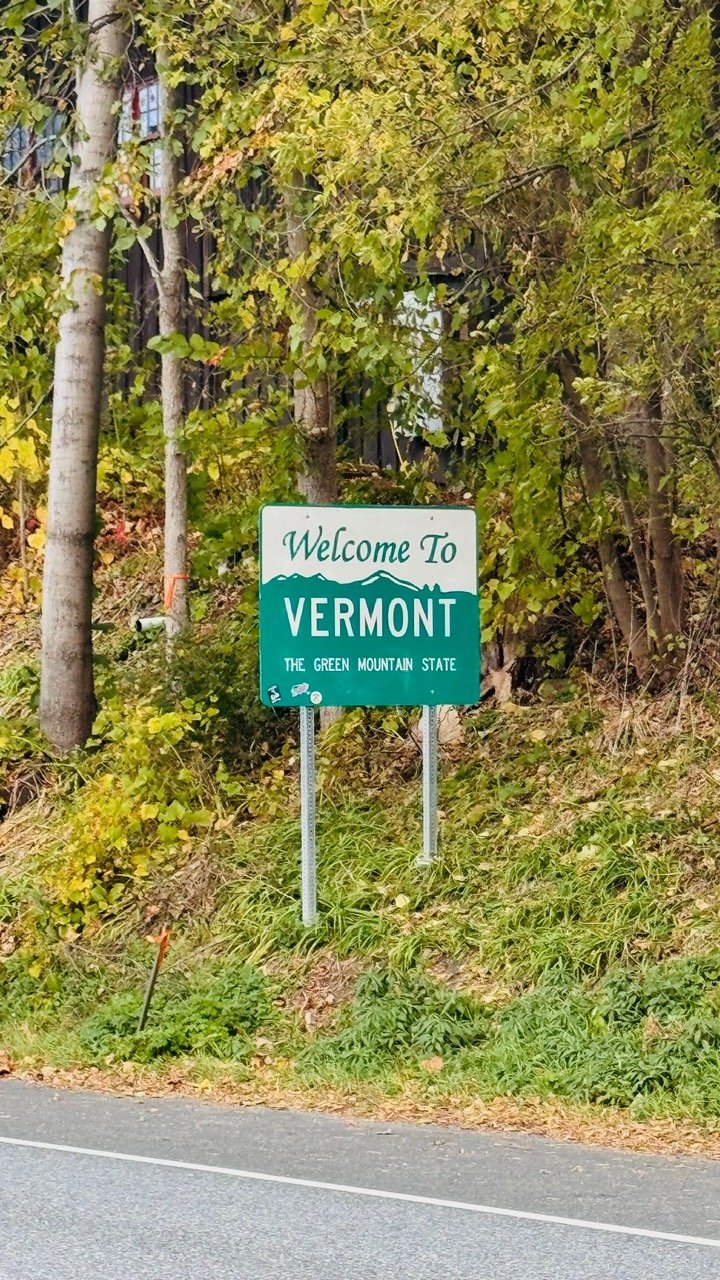
The Bennington Battle Monument is an impressive visit. It's a stone obelisk about 306 feet tall, the tallest structure in Vermont, and you can see it from all over the valley. It marks the spot of a storehouse full of supplies that the British wanted very badly in August of 1777.
Here's the story. General John Burgoyne was marching south from Canada to cut New England off from the rest of the colonies, and his army was running low on just about everything. He sent a force of German soldiers, Loyalists and Native allies under Lieutenant Colonel Friedrich Baum to seize the colonists' supplies at Bennington. They never got there. On August 16, 1777, General John Stark and his New Hampshire militia met them several miles west, just across the line in New York, and crushed them. Seth Warner and his Green Mountain Boys arrived in time to beat back the reinforcements. Burgoyne lost close to a thousand men he couldn't replace, and two months later he surrendered his whole army at Saratoga. That surrender is what convinced France to come into the war on our side. So a fight over a storehouse in Vermont helped win the Revolution. Vermont still celebrates August 16 as Bennington Battle Day.
He sent a force of German soldiers, Loyalists and Native allies under Lieutenant Colonel Friedrich Baum to seize the colonists' supplies at Bennington.
The monument went up more than a century later, finished in 1889 and dedicated in 1891 with President Benjamin Harrison in attendance.
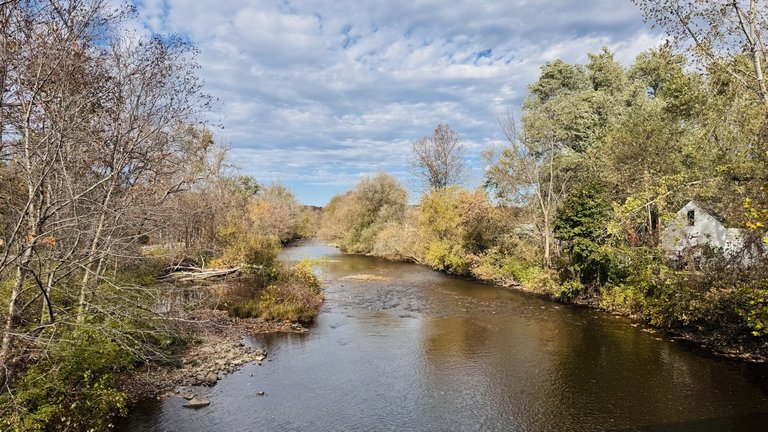
Bennington also has a smattering of covered bridges to explore. There are three of them over the Walloomsac River on the north side of town, toward North Bennington: the Silk Road, Paper Mill and Henry bridges. Vermont has about a hundred covered bridges still standing. People always ask why they covered them. The roof was for the bridge. A wooden bridge left out in the weather rots in a couple of decades. Put a roof and walls on it and the timber trusses can last a century or more. Some of these have.
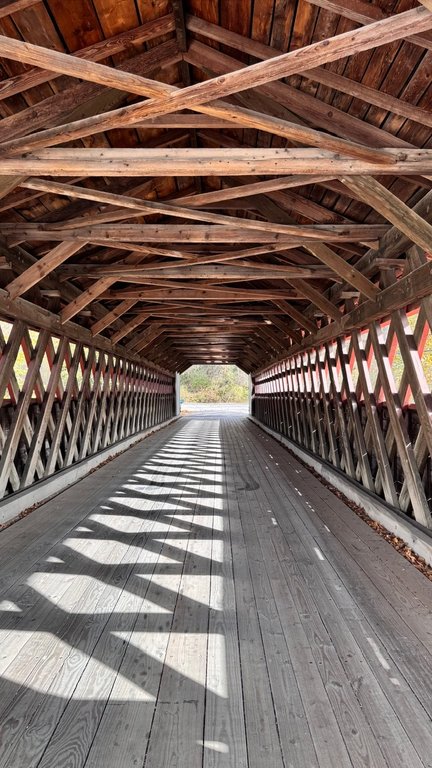
Route 7 and the Skyline Drive
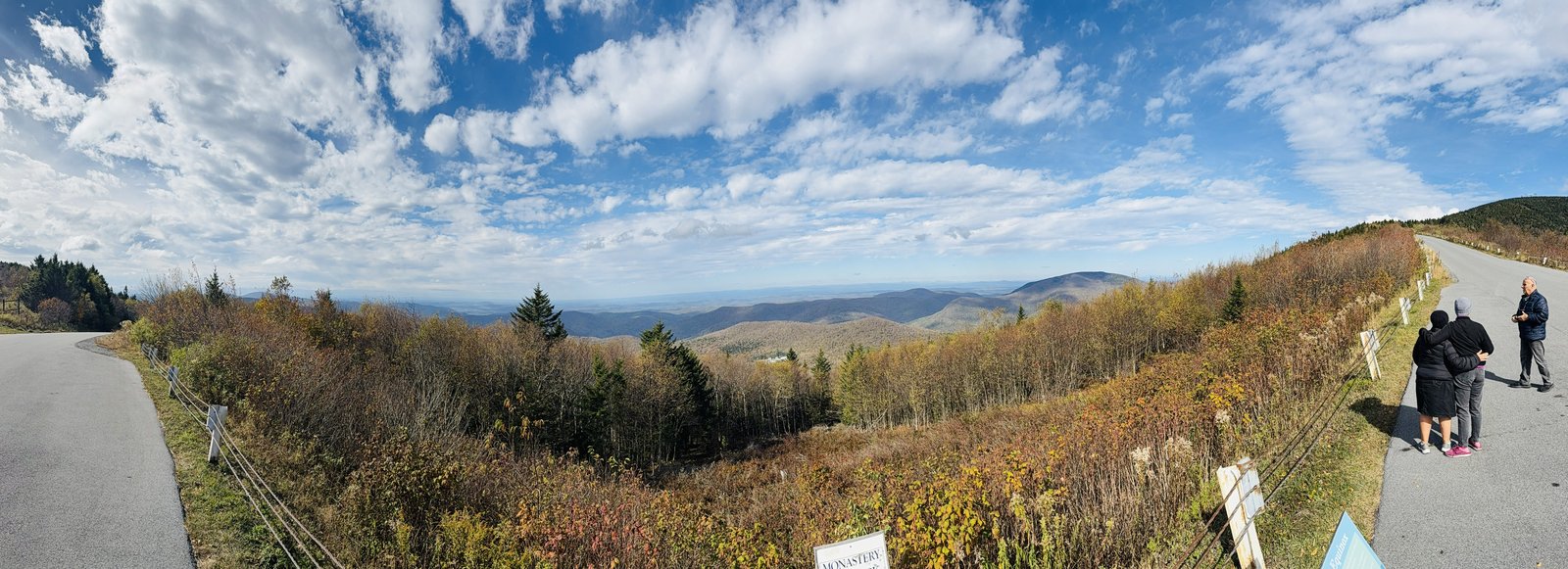
We continued north on Route 7, then 7A, to the Mount Equinox Skyline Drive. It is a fun, hairpin filled toll road to the peak of Mount Equinox, which as you might have guessed is the tallest mountain in the Taconic Range, at about 3,850 feet.
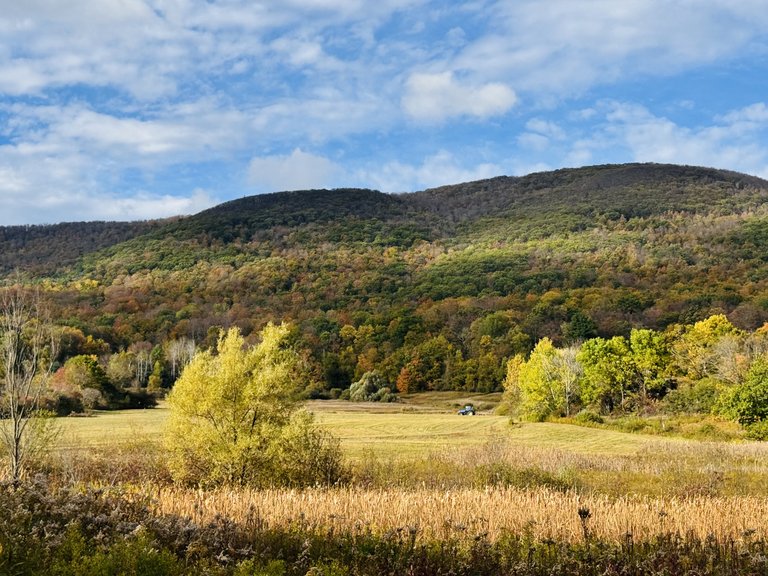
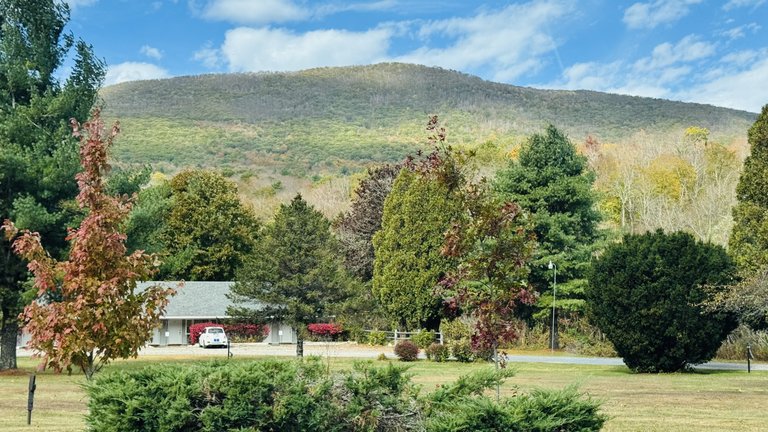
The road climbs a little over five miles from the valley floor to the summit, switchback after switchback, and every turn opens a new view. It was built in the 1940s by a chemist named Joseph George Davidson, who had made his money with Union Carbide and bought up most of the mountain. He gave the land to the Carthusian monks, who built their monastery on its slopes, the Charterhouse of the Transfiguration, and when he died in 1969 the rest of the mountain went to them. It is the only Carthusian monastery in North America. The Carthusians are one of the strictest orders in the Catholic Church. They live mostly in silence and solitude, each monk in his own cell. And yet their mountain has a toll road full of tourists in their leaf peeping SUVs. A nonprofit foundation runs the road and the business side, so the monks can keep to their silence.
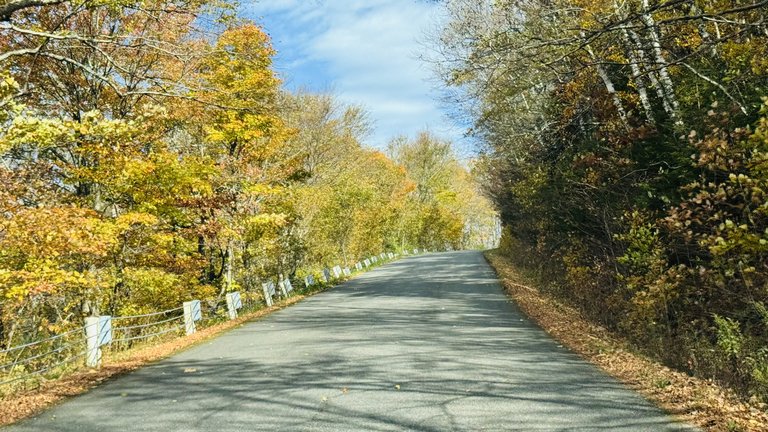
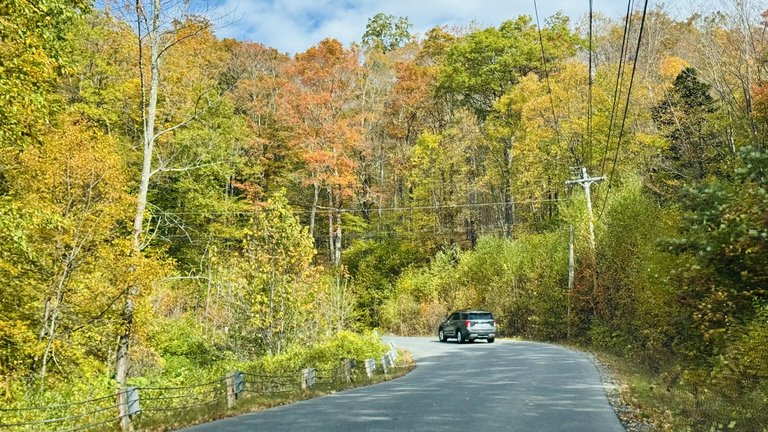
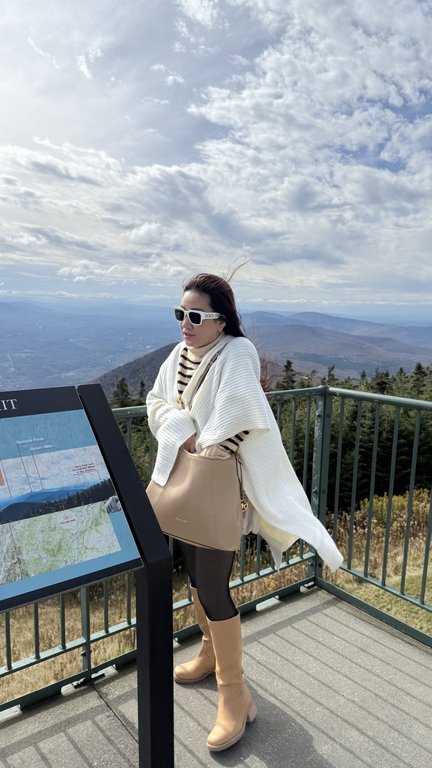
There's a nice observation building at the top, the Saint Bruno Scenic Viewing Center, named for the founder of the order. It houses a small museum about the monks and the monastery. The monastery itself is off limits. It's the one thing on the mountain you don't get to see.
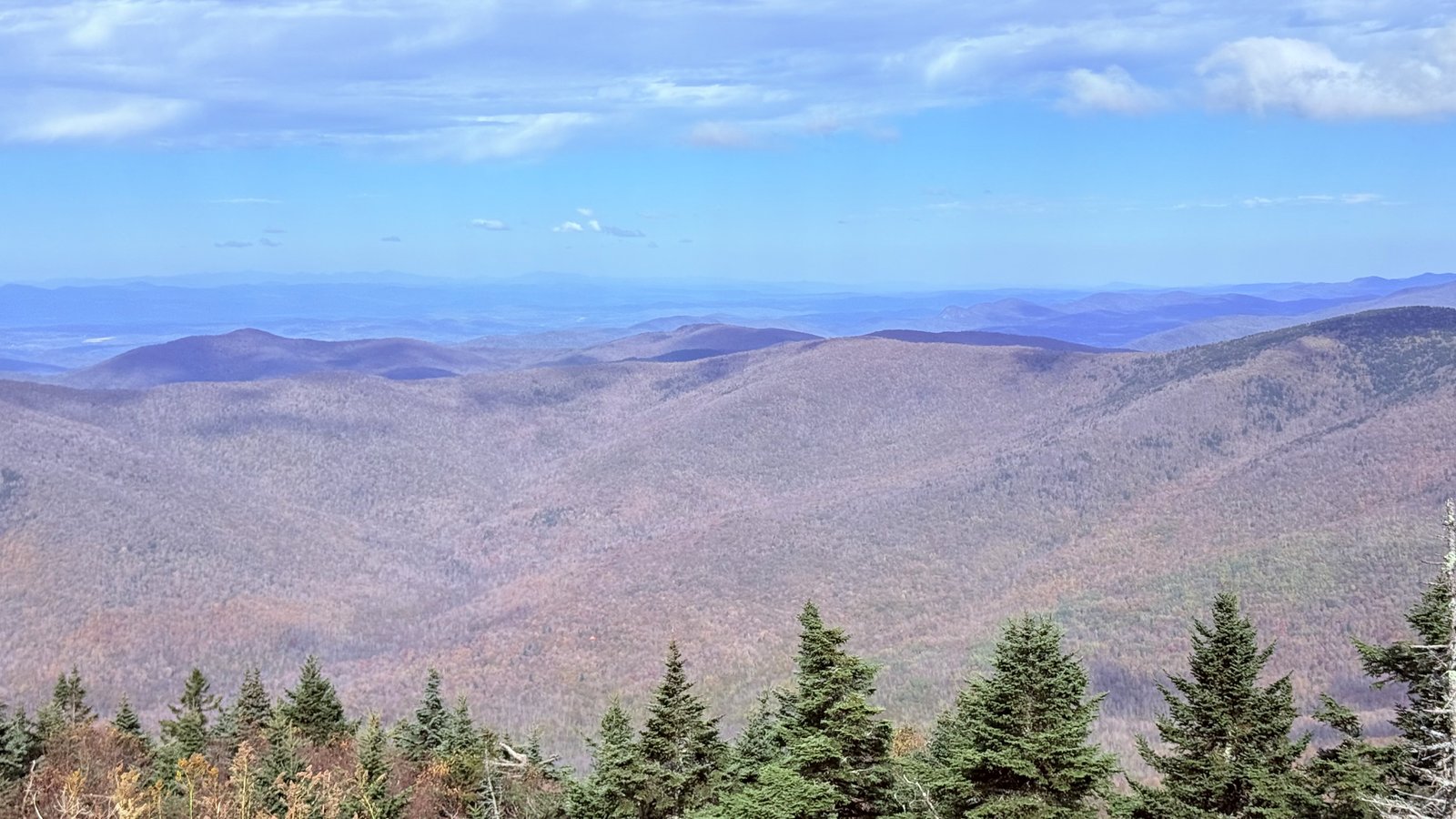
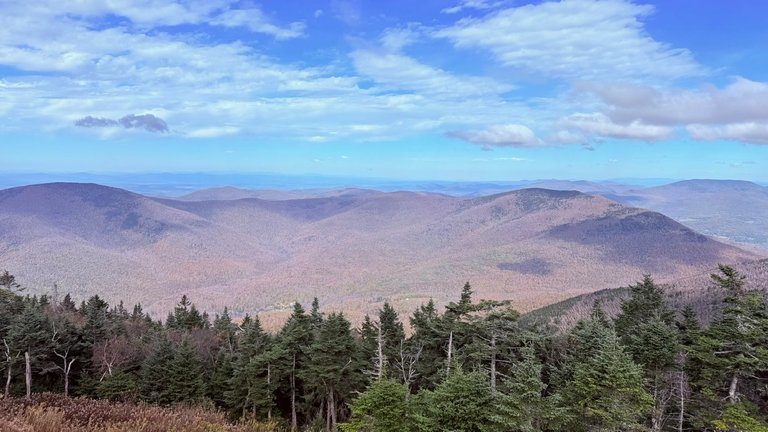
The view from the top is endless ridges rolling off into the blue. Mountains behind mountains behind mountains, all of them turning red and orange and gold.
A Place Void of Struggle
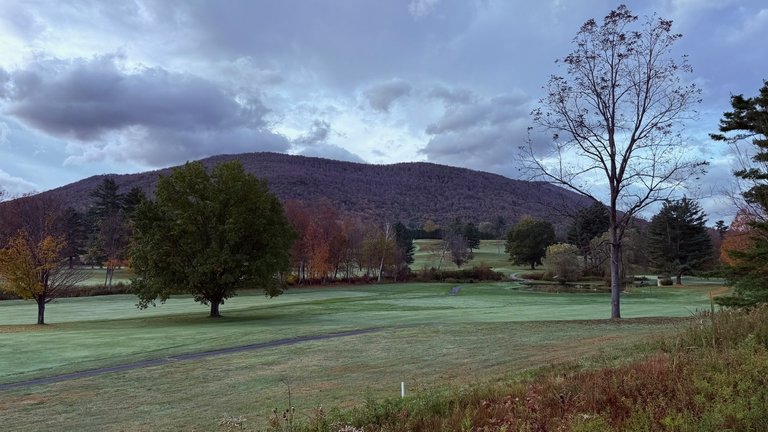
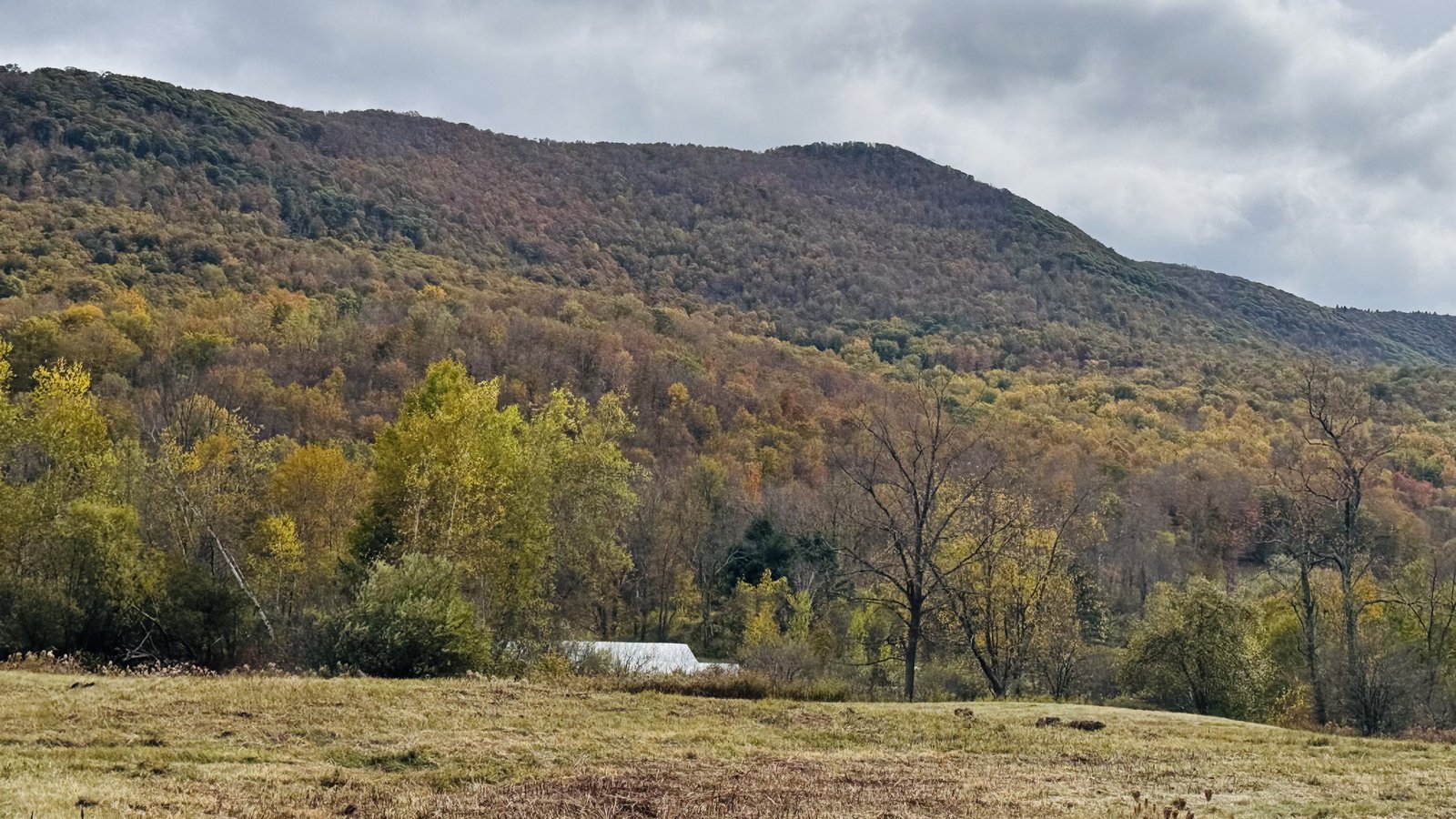
From there it was picturesque scene after picturesque scene, a world that seemed too pure to be real. It looked like the people who lived here existed in a place void of struggle or suffering. I, of course, know that not to be true. The environment just had that kind of upbeat air about it.
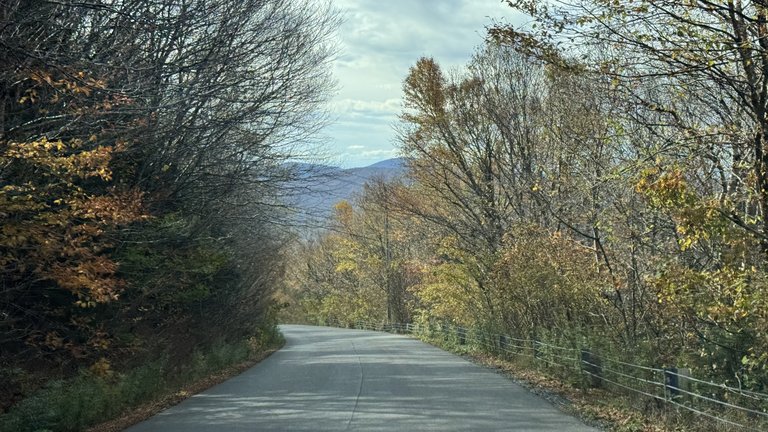
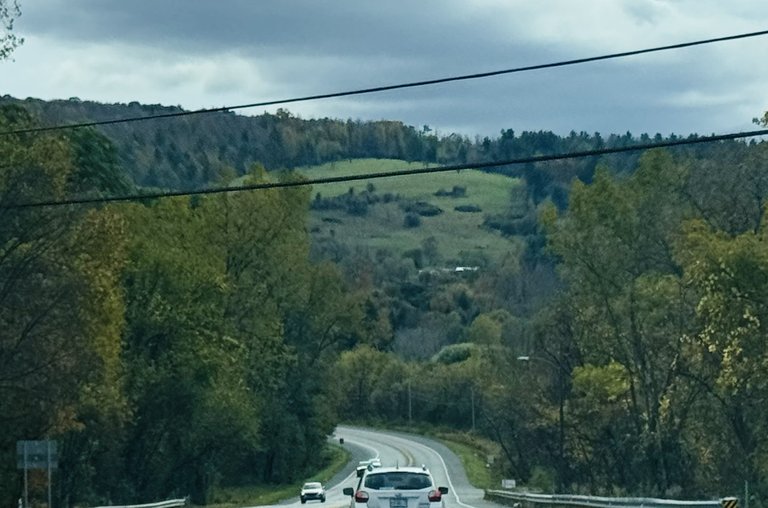
Maybe it was the leaves. Maybe it was the small family farm stores that populate every turn of the rolling valleys and mountains, their signs telling you to come inside for fresh family produced milk, cheese, eggs, honey and baked goods. Vermont is a dairy state at heart. The family farm store is what's left of that world, and in a lot of places it's still very much alive.
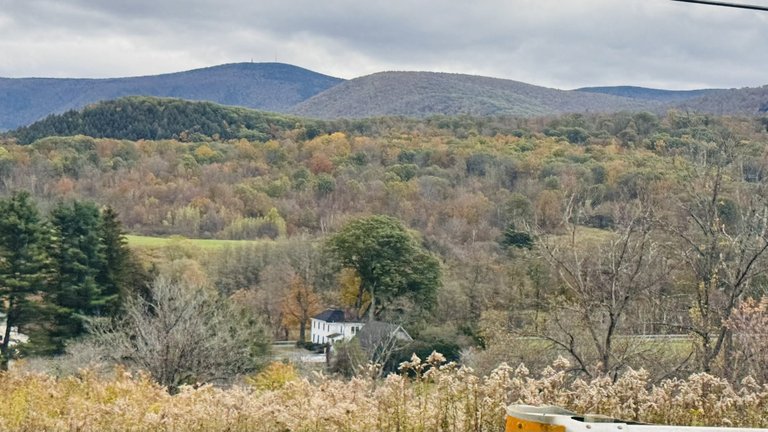
Maybe it was the little signs Vermont puts up on its state highways, telling you where everything from lodging to restaurants to attractions is, just up around the corner. There's a reason they're little. Vermont banned billboards in 1968, one of only a handful of states to do it, and replaced them with small, uniform directional signs. That's why the roads look the way they do. No giant faces of personal injury lawyers. No fifty foot burgers. Just mountains, barns, maple trees, and a little sign that says the cheese is two miles ahead.
Tomorrow it would be back to New York, and a city that is the complete opposite of everything we had seen today.
Previously: The Cloisters and the Long Way North